Phoenix’s lost gems

Phoenix’s lost gems

We spend much time on this site discussing urbanism, including the architectural losses and disasters of Phoenix. More than history or sentimentality is at stake. Much of the economic power in cities such as Seattle, Denver and even Los Angeles has come from the "back to the city" movement and restored historic masterpieces.

Phoenix was smaller and poorer at the zenith of Art Deco. But it did have a real cityscape before the post-World War II automobile era, subsidized sprawl, and municipal malpractice of massive teardowns created today's suburbanized mess. It had some saves, including the Orpheum Theater, Orpheum Lofts, San Carlos Hotel, Luhrs Tower and Luhrs Building, old Post Office, Kenilworth School and the County Courthouse/City Hall.

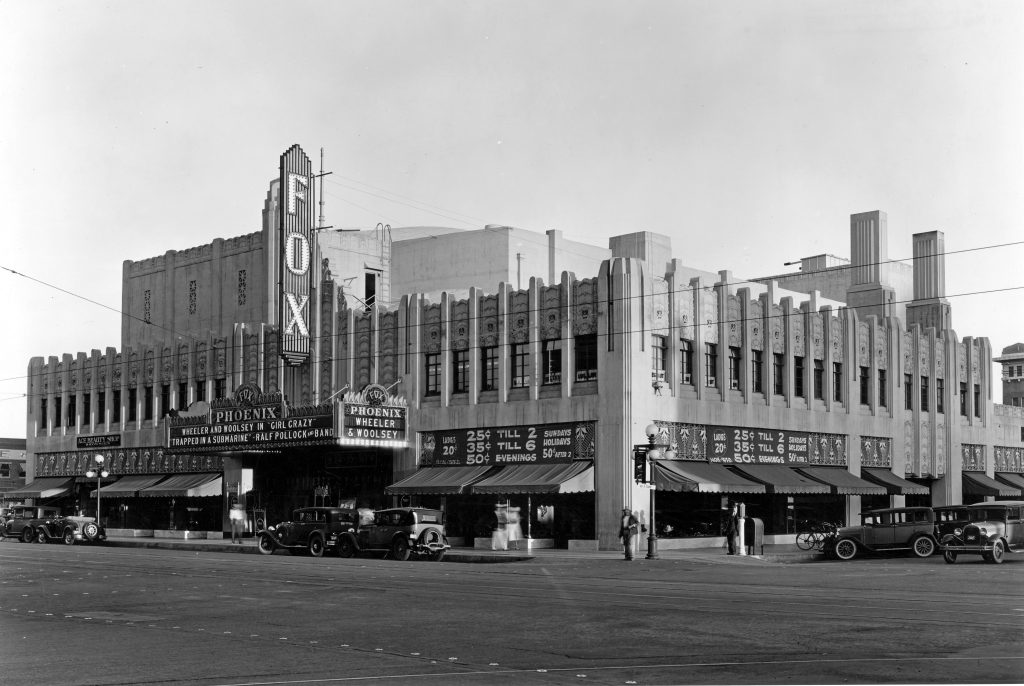
Thanks to Rob Spindler and the ASU archives, along with the collecting by the indefatigable Brad Hall, we're getting more photographs of the old city. I realize some of this is familiar  territory for regular readers, but the images tell more than words about what Phoenix lost (click for a larger image). They include:

The Fox Theater:

Fox_Theater_Girl_Crazy_1932_SHR

Regrets? I have a few…

Regrets? I have a few…

Holly
In 1999-2000, I was offered the business editor jobs at the San Diego and San Francisco papers. I also had feelers about coming to work at the New York Times and the Los Angeles Times. After nearly five years at Knight-Ridder's Pulitzer-winning Charlotte Observer, I was more than ready to leave a city where they ask if you've found a "church home," wanted to get back to the West. That was when John D'Anna at the Arizona Republic called and offered me a columnist job at my hometown newspaper.

Warning signs abounded: Downtown Phoenix was dead, corporate Arizona had moved out to north Scottsdale, and the Republic had recently been purchased by Gannett, known for its small newspaper mentality, suspicion of serious journalism, and obsession with fads (I had worked for the company as assistant managing editor for business news at the Cincinnati Enquirer and saw its bad and OK sides). On the other hand, downtowns were making impressive comebacks elsewhere — I had seen them first-hand in Denver and even Charlotte. Brahm Resnik, the business editor at the Republic, assured me the changes had been minimal. After years as a turnaround specialist editor, I longed to be out of management. And every journalist's dream is to write a column in his hometown.

So I took the job, following in the footsteps of the fine business columnist Naaman Nickell.

Susan and I bought one of the most beautiful historic houses in Phoenix, in Willo a block from where I grew up. And for the next nearly seven years I wrote one of the most popular columns in the paper. "Never thought I would read this in the Arizona Republic," was a common reader accolade. I enjoyed a position of prominence, leadership, and celebrity totally out of proportion with the job — at least in other cities. The parties we hosted at the 1914 bungalow on Holly Street attracted a who's who of Arizona. And then, in 2007, it was gone. We had to sell that beloved house as no other local jobs materialized and make our primary base in Seattle (we still have a Midtown condo and some lifelong friends).

Could I have found a way to stay?

The winter of our discontent

The winter of our discontent

Washington_Crossing_the_Delaware_MET_DP245003
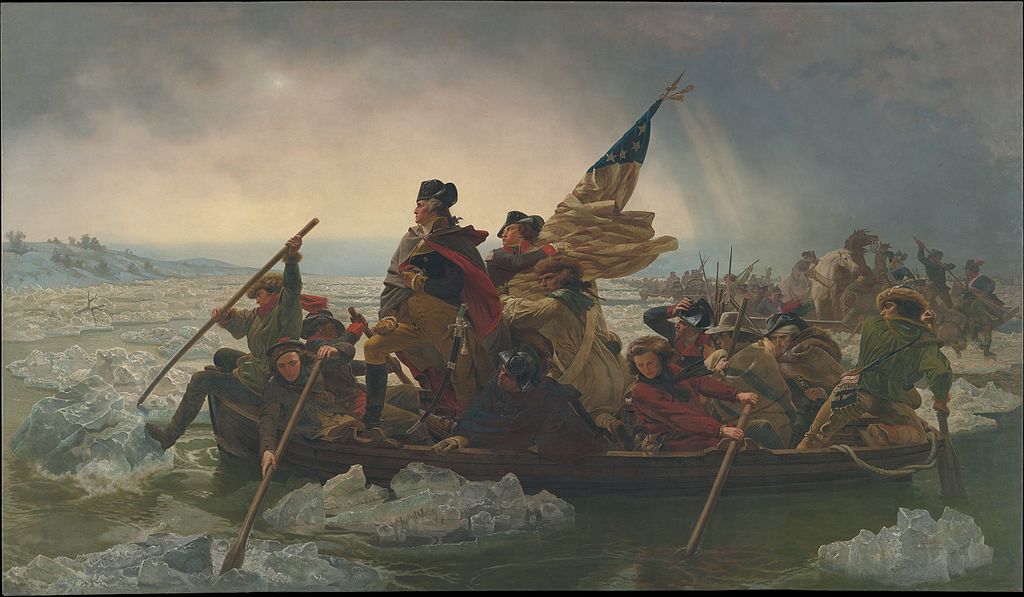
These are the times that try men's souls. The summer soldier and the sunshine patriot will, in this crisis, shrink from the service of their country; but he that stands by it now, deserves the love and thanks of man and woman. Tyranny, like hell, is not easily conquered; yet we have this consolation with us, that the harder the conflict, the more glorious the triumph.

— Thomas Paine, December 23, 1776

We've made it through the first year of the presidency of Donald Trump (let that name attached to that title sink in) without a nuclear war with North Korea. But there's next year.

Meanwhile, despite all the speculation and hope for a Democratic wave in the fall, great damage has been done to the republic. Total Republican control of the federal government resulted in the passage of a ruinous tax bill. Among its worst consequences will be the opportunity costs — no nice things for us, such as high-speed rail or rail transit for our metropolitan areas — because $1.5 trillion will be looted from the Treasury for the very rich. The resulting deficit will embolden Paul Ryan and the GOP-controlled Congress to come after our "entitlements" (read earned benefits). The cabinet is largely staffed by billionaire stooges committed to wrecking from the inside. The administration is rolling back laws to protect the environment and financial system. The people's lands, intended as a sacred trust for future generations, is under assault.

One of the biggest impediments to a Blue wave is the normalization of this norm-breaking, authoritarian-wanna-be president even by the respected press. This situation doesn't have "both sides" — only one. Then there's the lie machine of right-wing media. Beyond that, it must contend with vote suppression, gerrymandering, and no doubt new Russian interference.

Hollering past the graveyard

I get it that the "journalism" practiced by business journals is supposed to be celebratory and "positive." That it lacks the rigor, context, experience, and skepticism required by real journalism. So I hesitate to do a beat-down. But a story in the Phoenix Business Journal requires some pushback.

The headline is: "Does Arizona's Heat, Climate Change Hurt Business Attraction?" (pro tip: Don't write heds that end in question marks — you're the journalists, why are you asking me, the reader). And the bulk of the story goes on to say, no. Everything's fine!

Some lowlights:

Economic developers who work to bring businesses and jobs to the state and Phoenix region contend the desert heat doesn’t work against them in site selections.

They also say climate change doesn’t come up at all.

Instead, they tout the narrative of Arizona’s lack of natural disasters in appealing to data centers, back-office operations and other businesses concerned about potential disruptions.


If Alabama…Arizona?

If Alabama…Arizona?

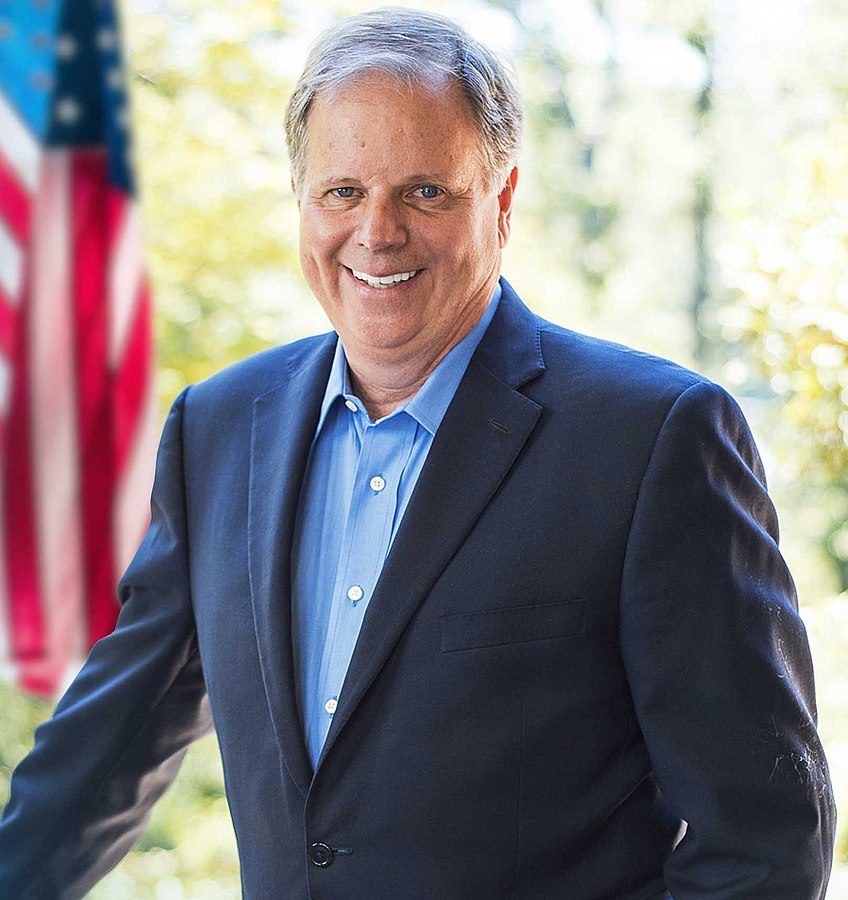
848px-Doug_Jones_FlagThe Deep South has not elected a Democratic Senator since 1992, but the state apparently drew the line at "If She's Old Enough to Pee, She's Old Enough for Me" on Tuesday. Doug Jones, who prosecuted two KKK perpetrators of the 1963 church bombing that killed four African-American girls, beat Roy Moore, who was wildly unqualified even before allegations of stalking adolescent girls emerged.

The natural question for readers here is, If this can happen in Alabama, why not in Arizona?

I'll take my victories where I can get them, to paraphrase Soleri. But this race had special circumstances. Republican turnout was lower than normal, depressed by the prospect of the odious Moore. And African-Americans overcame vote suppression to turn out in large numbers and put Jones in office — if only for three years.

Arizona lacks these advantages. The people who actually vote are overwhelmingly old, Anglo, and right-wing. This is why Democrats don't hold a single state-wide office. It's why the Republicans have controlled the Legislature for decades and never paid a price for the ongoing failure of "conservative" policies. These are the voters who reelected Joe Arpaio again and again, despite his lethal brand of "law enforcement."

The Hispanic vote, the holy grail of hopes to turn Arizona purple, even blue, has never materialized. Hispanic turnout is always shockingly low, even in city of Phoenix elections. It was not nudged by the attack of SB 1070. Arizona lacks the infrastructure of powerful political organizations and unions that bring large numbers of Latinos to the polls in, say, California. Most Hispanics are poor, and poor people vote in far fewer numbers than other income groups. And it can't be assumed that Hispanics are a lock for Democrats anyway. I heard from a number of Mexican-Americans who quietly supported SB 1070.

The great stores of old Phoenix

The great stores of old Phoenix

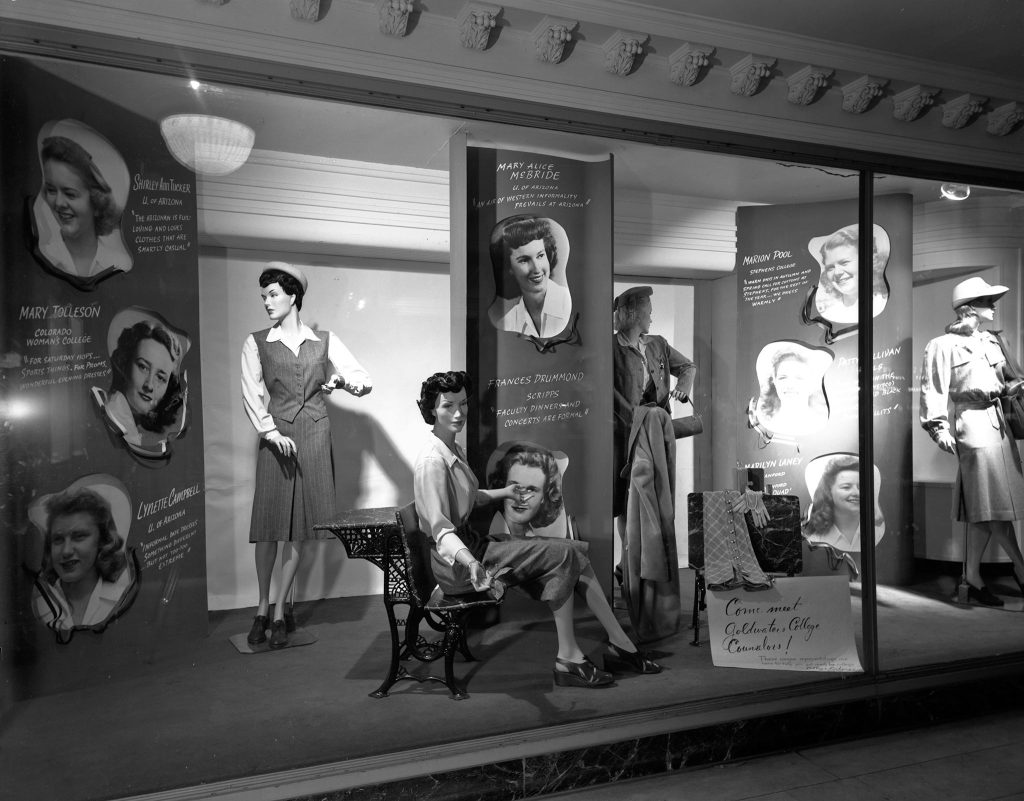
GoldwatersWindow_1940sPhoenix was too small and too poor to have the grand department stores that graced mostly eastern cities. But it had some beloved stores, nonetheless. They were part of a dense, walkable downtown business district that also included scores of specialty shops, as well as national chain department stores. Here are a few of the most prominent locals: 

Goldwater's: Born in Russian Poland, Michel Goldwasser traveled to Paris, then London, changing his name to Michael Goldwater and becoming a successful tailor. In 1852, "Big Mike" and his brother Joe set off for San Francisco. He eventually ended up in the mining town of Gila City, Arizona Territory., in Yuma County. He mostly worked as a peddler. After many ups, downs and wanderings, the brothers opened a store in Phoenix in 1872. It closed only three years later and the brothers focused on their store in the territorial capital of Prescott. Big Mike's son Morris was manager and the enduring slogan "The best always" was born. Morris, a Democrat, was also elected Prescott mayor.

A store returned to Phoenix in 1896, thanks to the pushing of Big Mike's younger son, Baron. As a Washington Post story said, "The Phoenix store offered not only reliable merchandise at low prices but the latest fashions from New York and Europe. Baron decided that pleasing the ladies was the way to economic success. Once he had the new store running smoothly, Baron became active in the civic life of his adopted town.

"He was soon elected a director of the Phoenix Chamber of Commerce and saw the Sisters' Hospital (now St. Joseph's) through some financial difficulties. He helped establish the Phoenix Country Club, the Arizona Club and was a founder of the Valley National Bank. In his late thirties, still trim and good-looking, Baron became the town's most eligible bachelor. His parents hoped that all their children would marry in the Jewish faith, but Mike's death in 1903 followed by Sarah's death in 1905 allowed them to marry whomever they wished." Baron married Episcopalian Josephine Williams, on January 1, 1907. Barry Morris Goldwater was born two years later.

Goldwater's soon became the swankiest department store in Phoenix. For decades it was located on First Street between Washington and Adams streets in the Dorris-Heyman Building. It moved to Park Central Shopping Center, two miles north, in the late 1950s. Above is a photo from a Goldwater's display window in the 1940s, from the McCulloch Brothers collection of the ASU archives. Goldwater's eventually grew to nine stores, including locations in Scottsdale, Tucson, Las Vegas and Albuquerque. The family sold it to Associated Dry Goods in 1963, but that didn't stop Barry from being pilloried as a "department store heir" in the following year's presidential election. In a famous Herblock cartoon, Barry towers over a poor family huddled in a doorway. "If you had any initiative, you'd go out and inherit a department store," he says. The Goldwater's name endured until the late 1980s.

Diamond's: Jewish immigrants Nathan and Isaac Diamond founded this Phoenix icon as the Boston Store in 1897. A big draw in 1931 was the installation of air conditioning. It wasn't renamed until 1947. Located at Second Street and Washington, the store featured women's and men's clothing, shoes, outerwear, housewares, and much more. It, too, made the move to Park Central in 1957, with a 200,000 square foot store. Other locations followed, including Thomas Mall, Tri-City Mall, Scottsdale Fashion Square, and Metrocenter. The Diamond family were among the founders of the Phoenix Symphony. The chain was sold to Dayton-Hudson, then Dillard's.
The awaiting

The awaiting

Putin'sTreatW
Illustration by Carl Muecke

I've been trying to lie low on the national circus, write about Phoenix history and transitions. I can add little to the latest social-media driven fads or distractions. It's tempting to watch from the sidelines and wait for this to pass. If it does. Yet every morning I wake up to the reality of the most unfit president we've ever had, the fact that Hillary Clinton should be in the Oval Office, won the most votes, but no… It's tempting tao watch total Republican control of the federal government and think this is the Gang That Couldn't Shoot Straight (e.g. the failed ACA repeal), and wait for some deliverance in next year's elections.

It's a comforting thought, but much is happening behind the latest twitter storm. The Supreme Court has been turned solidly reactionary thanks to Trump getting the vacant seat stolen from President Obama. With the guidance of the right-wing infrastructure such as the Federalist Society, the administration is remaking the federal courts more rapidly than any time in decades. This gift from the Bernie Bros/Susan Sarandon/Jill Stein faction will be with us for many years. Agencies, from the State Department to the EPA, are being wrecked from the inside. Obamacare is being sabotaged despite posting record enrollment. Politicization of the Federal Reserve and the Census carries huge risks, from the health of the economy to the integrity of critical data. Everywhere is a sense of retrograde movement.

That some 70,000 voters in three states determined our election, and perhaps our destiny — can't get that out of my craw. Or the widening disparity between population and representation in the Senate. Or the gerrymandered House, with the risk of worse voter suppression to come. The very structure of Madison's genius creation is showing dangerous cracks. And this is small compared with the pervasive odor of a stolen election, even treason. It doesn't bother the Republican-controlled Congress, the only body that could make things right.

Phoenix Confidential: OCB

Phoenix Confidential: OCB

The_Untouchables_cast_1961
The Organized Crime Bureau of the Phoenix Police Department was created in the 1974 when Chief Larry Wetzel sent Detective Sgt, Oscar Long to clean up the old Intelligence Bureau, full of place-holders and shady types compromised by the mob. His goal: Replace the old "subversive surveillance squad" with top investigating officers to dig into organized and white collar crime for prosecution purposes. The old squad just gathered names to put in the intelligence files. The new one intended to put made men and corrupt pols on the defensive in one of America's gangland playgrounds. Lt. Glenn Sparks requested a federal grant to fund the OCB and it was approved in a very short time.

OCB attracted some of the most gifted detectives and supervisors in the department, indeed in the nation, including Long, Sparks, Lonzo McCracken, Jim Kidd, Cal Lash and A.J. Edmondson. I leave out some names at the request of the detectives — safety is still an issue. Over the next several decades, the OCB was involved in the most important investigations in the state, from the murder of Arizona Republic reporter Don Bolles to corruption of high city officials and the depredations of the New Mexican Mafia (New Eme). Lash went on to serve as Administrative Sergeant for two police chiefs.

In a city where, as the blurb for my new novel goes, "gangsters rubbed elbows with the city’s elite amid crosscurrents of corrupt cops, political payoffs, gambling, prostitution, and murder cloaked by the sunshine of a resort city," the Organized Crime Bureau was Phoenix's Untouchables. And this was real, not fiction.

‘Smart city’

‘Smart city’

Bill_Gates_MSC_2017_(cropped)I see that the local-yokel boosters bamboozled Popular Mechanics into doing a story claiming that Bill Gates wants to build a "smart city" in the Phoenix exurbs. This lacks any corroborating evidence, any skeptical journalism. It is, as the old newsroom joke goes, a story too good to check. What we do know is that Gates' investment arm plinked down $80 million for a stake in the speculative "master planned community" called Belmont. The promoters want to built 80,000 tract houses, along with industrial, office, and retail space.

The whole thing strikes me as dodgy. Water availability, especially in the long-term, is one of the two biggest issues facing Phoenix. A game of musical chairs is being played thanks to the complexity and opaqueness of Arizona's water law and enforcement. But the outlook is not good. The metro area and state are past population overshoot, especially for the one-trick-pony of building single-family detached tract houses in an ever-widening footprint of sprawl. The other unpleasant reality is climate change, which bodes very ill for the state. More sprawl destroys the unique, lovely Sonoran Desert.

The ghost of Ned Warren is looking on the spectacle of taking $80 million in Bill Gates' chump change with envy. As I wrote in a Seattle Times column, being one of the world's cleverest men in one field — bringing enormous riches — does not make you smart in everything else. Maybe he'll make a quick buck if the project is ever built. The suckers left holding the bag won't be so fortunate.

Similar sad hilarity came from a New York Times Magazine piece about Doug Ducey making Arizona the capital of self-driving cars. No regulations, come on down! The problem is that the companies will neither have their well-paid design and engineering jobs nor make the vehicles here. They will merely use our abundant freeways and wide streets to experiment. What could go wrong? 

Bruno

Bruno

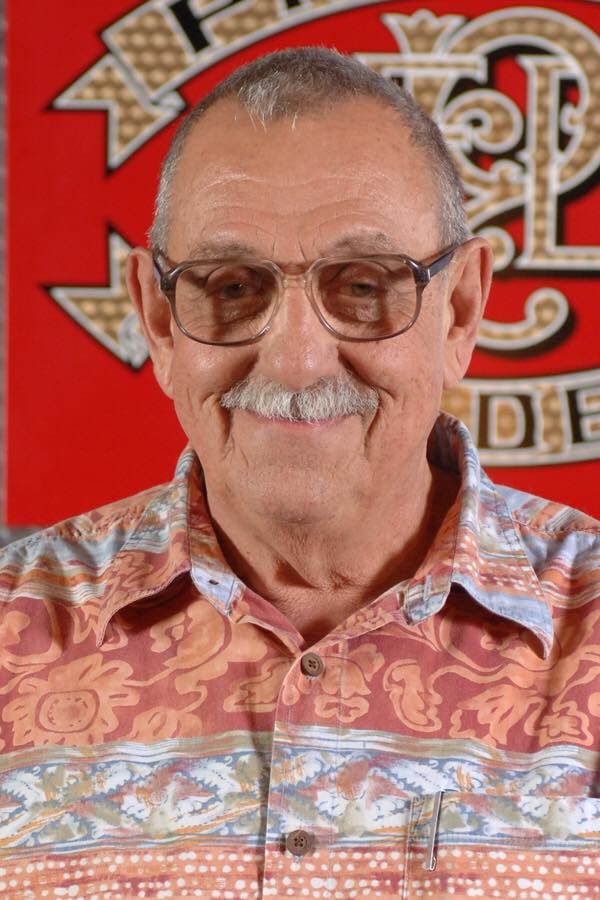
Bruno2Everyone who was blessed to know Alan Brunacini, who passed away in October at age 80, has a Bruno story. I'll tell two about Phoenix's long-serving Fire Chief.

At the 2005 going-away party for Sheryl Sculley, the deputy city manager who was leaving for the top job in San Antonio, I was talking to Bruno when a man walked up. He was a promoter on the make and wanted me to write about his project. I stepped a quarter turn and said, "Do you know Alan Brunacini?" The guy instantly (thought he) assessed the short, unprepossessing man in the Hawaiian shirt, said, "Howya doin', Alan," and rudely turned to face to me.

I thought: You just turned your back on the most powerful man in the city of Phoenix. Needless to say, his project never happened. His lack of discernment about Bruno was a tell. On the other hand, Bruno was accustomed to such reactions from those not in the know. "Most people think Bob Khan is the fire chief," he told me once with a broad grin, speaking of his ubiquitous public affairs officer (and successor). Bruno had little ego in the game. I suspect he also understood the advantage in being underestimated, especially in the perilous landscape of municipal politics. 

Years later, after he retired and I left the Republic, Bruno and I were enjoying one of our periodic meet-ups in the shady inner courtyard of Fair Trade coffee. A gifted raconteur, he told me about a pivotal moment in his early career.

Assessing Greg Stanton

Assessing Greg Stanton

1024px-Greg_Stanton_(35674107711)
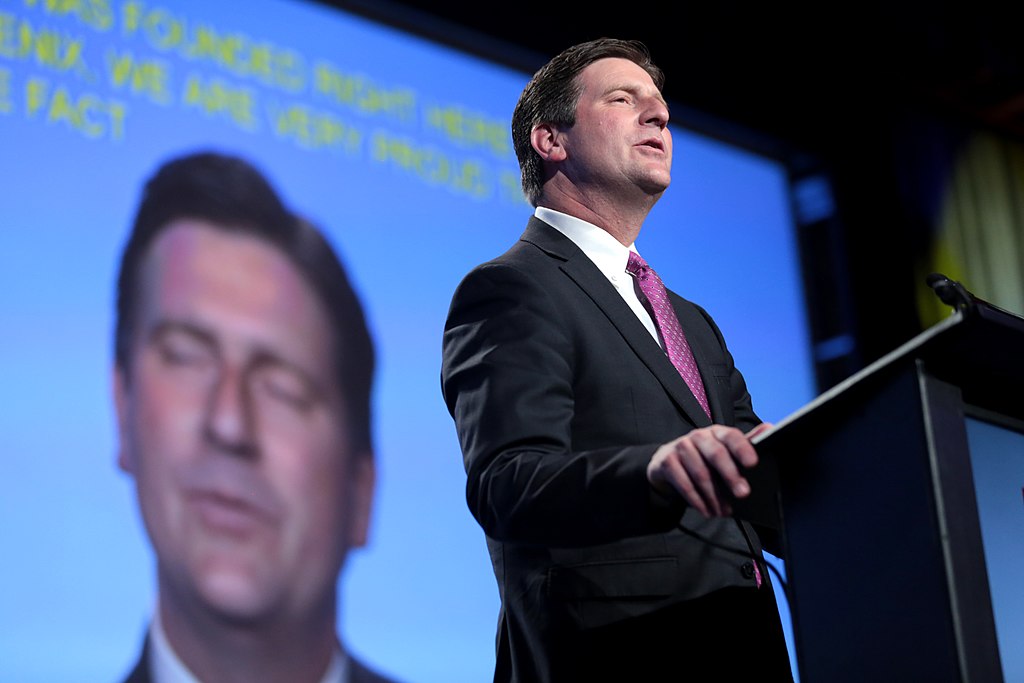
Now that he's announced he will resign as Phoenix mayor to run for Congress, it's not too early to at least make a preliminary evaluation of Greg Stanton's tenure.

Whether they like it not, all Phoenix mayors since the mid-1980s have been judged on what we could call the Goddard Scale. Terry Goddard was a transformational Phoenix leader who swept away the last of the CharterMargaret Hance status quo, led the change to a district system of council representation, saved the historic districts, and began to salvage downtown. He was bold! He was visionary! He got cities and had a clear-eyed view of Phoenix's situation!

And this is actually true. But even Terry Goddard wasn't Terry Goddard at first, or how he would mature as a leader and urban thinker after he left office (it was a terrible loss for Arizona that he didn't become governor). So on the Goddard scale, even Terry wasn't a 10. Let's say 9.1. Give Paul Johnson a 6.5 — Goddard was a hard act to follow, and Johnson faced the worst recession in decades here, up to that point. Skip Rimsza, who served from 1994 to 2004, gets a solid 8 in my book, although some would disagree. The same for Phil Gordon, especially his more productive first term.

And Stanton, who assumed office in 2012? I'd also give him an 8. Phoenix has been fortunate in its mayors.

Flake out

Flake out

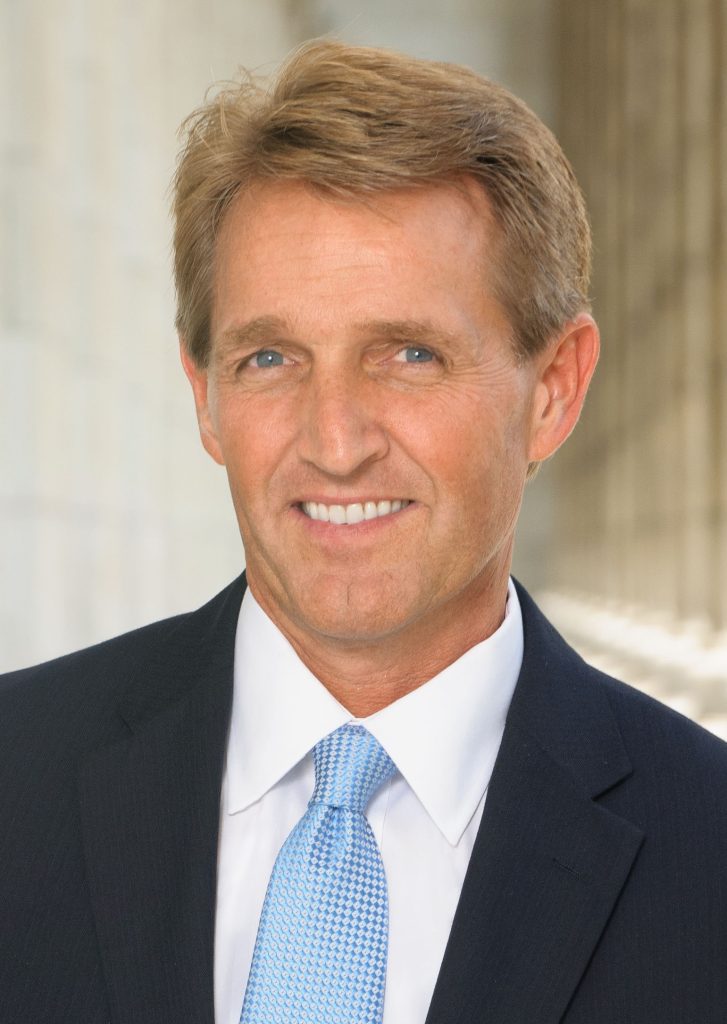
Jeff_Flake_official_Senate_photo_(cropped)Amid all the orgasms about the "heroism" of Jeff Flake's speech on the floor of the Senate is this fact: He stuck around to vote with the Republican majority to deprive customers of the right to sue the banksters.

The soon-to-be-former junior Senator from Arizona is a right-wing Republican. He has a lifetime rating of 93.07 from the American Conservative Union, one of the highest in the Senate (wealthy Republican John Sidney McCain III scored 81.62. This gold-standard score rates members on their votes for "conservative causes." He's higher than Senate Majority Leader Mitch McConnell.

While he said some laudable things, what's he's actually done is quite different. He voted for the repeal of the Affordable Care Act, which would have deprived between 23 million and 26 million of his fellow Americans of health insurance. He voted for every one of Trump's deplorably unqualified and corrupt cabinet members. He opposed sanctions on Russia.

The light-rail divide

The light-rail divide

PhxLRT
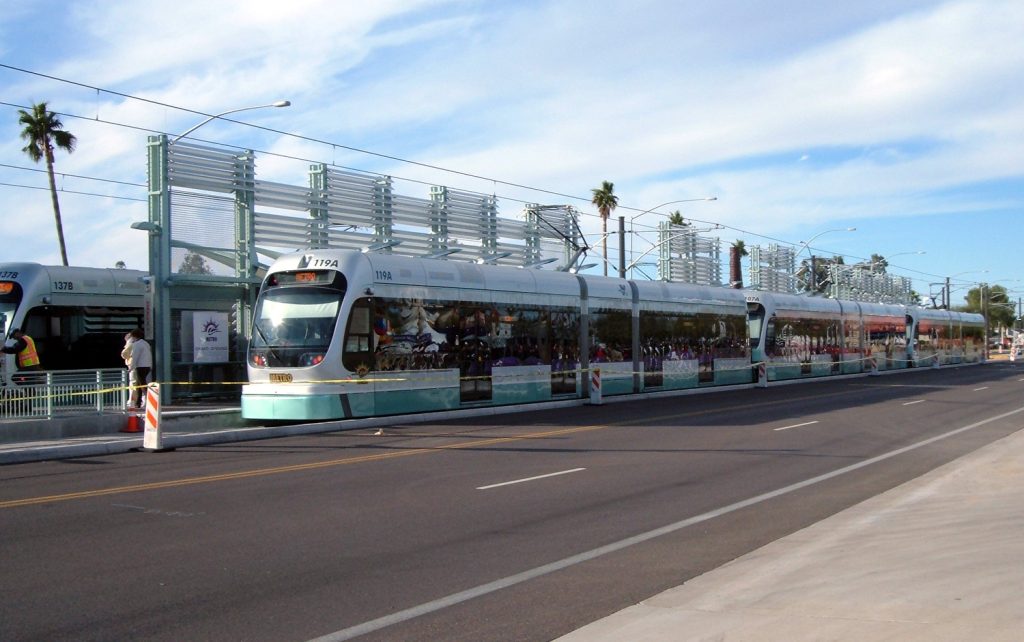
Glendale's city council killed an extension of light rail into the suburb, even though a majority of voters want it. Even though We Built It, You Bastards (WBIYB) — the epithet referring to the hysterical, thuggish opposition to the starter line, metropolitan Phoenix remains divided over mobility. The city, Tempe, and Mesa have embraced light rail. The other suburbs remain against it, crazy-so in the case of Scottsdale.

Phoenix did not benefit from the "Dallas effect." There the suburbs wanted nothing to do with light rail — until they saw the first line in action. Then they were clamoring to be included. Today, Dallas has the largest light-rail system in the United States.  Similar success stories are found in Denver, San Diego, Portland, and Los Angeles. The closest we came was Mesa. There, then-Mayor Keno Hawker convinced a skeptical council to pay for the starter line to go to Sycamore Street. Otherwise, Mesa would have been cut off — Tempe was only going to build to McClintock — and facing a costly future connection. Instead, Mesa saw the benefit and has extended the line to Mesa Drive with plans to go beyond.

Otherwise, the divide remains solid. It is driven in no small measure by racism and classism. The suburbs don't want "those people" coming on trains. And it's true that the poor and minorities heavily use transit in Phoenix. The criminal element of "those people" drive cars, but the white-right apartheid that defines metro Phoenix decisively defines the light-rail resistance. Another problem is the Republican fetish against rail of all kinds. It keeps us stuck with a 1971 transportation system when other advanced urbanized nations have high-speed rail and subways abuilding. Considering that the Republican Party began as the advocate of transcontinental railroads, this is an astounding but not surprising turnabout. It goes along with denying settled science on climate change. Anything, anything, to keep happy motoring going. Anything to keep the tax-cut scam going.

Light rail succeeded in Phoenix differently than in most cities. For example, in Seattle, where a majority of people use transit, light rail connects people to the major employment, retail and entertainment center of downtown, as well as the airport, sports venues, and the University of Washington. It's packed all the time and more lines are under construction despite efforts by Republicans in the Legislature and the suburbs to kill it. Most jobs in Phoenix are out on the freeways, especially in the East Valley. Instead, Phoenix's light rail found the sweet spot connecting the downtown and Tempe ASU campuses, as well as hauling people to Suns and (for now) Diamondbacks games. It helped reestablish downtown as a center of activity.

The water Ponzi scheme

The water Ponzi scheme

Arizona_cap_canal
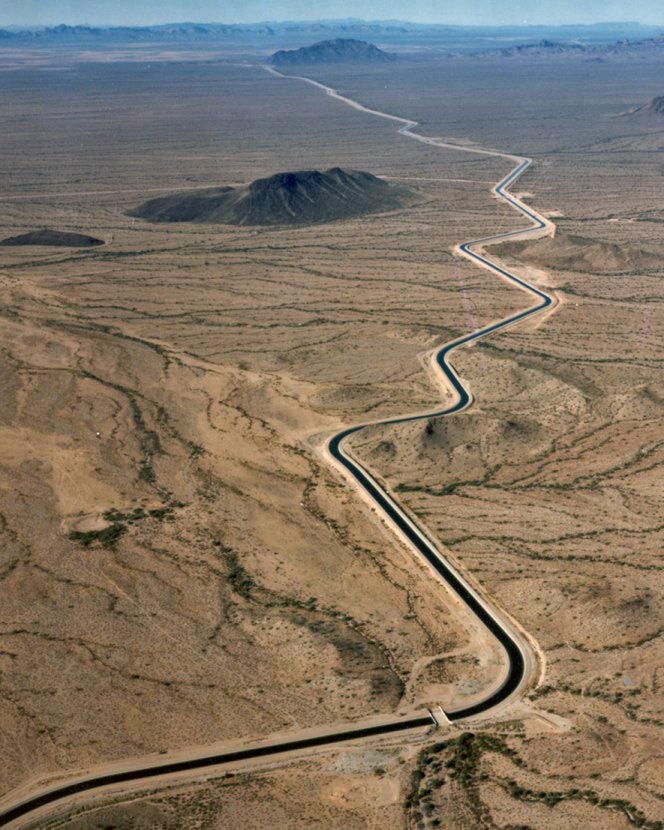
Arizona has a sordid history of fraud, predating the predations of Ned Warren, whose land frauds in the 1960s and 1970s bilked hundreds of millions of dollars from gullible Americans. It continued through with the East Valley mafia's "alt fuels" scandal of the early 2000s and the big blowup with the Ponzi scheme of the housing bubble.

The relatively new racket, on a trajectory for crisis, concerns water. Last month, Arizona Republic reporter Rebekah L. Sanders produced a blockbuster about "water haulers" apparently stealing city of Phoenix water from hydrants for delivery to hundreds of residents in New River. Meanwhile, this entire area is seeing the ground water in its meager aquifers diminish as more people move in. New River grew by more than 40 percent, to 15,000, from 2010 to 2015.

Earlier this month, the Republic's Dustin Gardiner reported a fascinating story about Pinal County's complex but unsettling water situation:

So far, according to the Arizona Department of Water Resources, 15 proposed projects in the Pinal County area have received letters from the state notifying them that groundwater necessary for their projects could be in short supply.

It's likely the first time the state has sent such letters, but state officials say there is no reason to panic.

Of course officials would say that. And they're right, after their fashion. Panic isn't enough.