Phoenix rocks

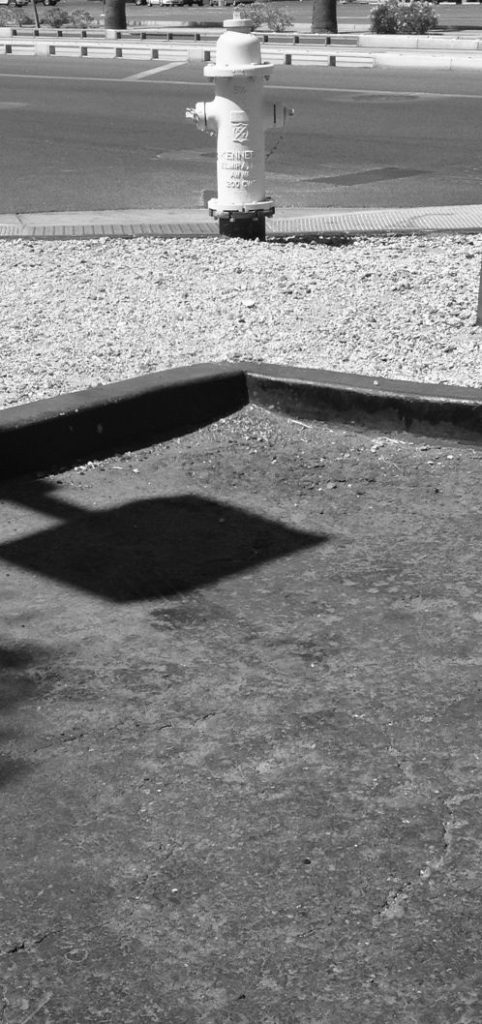
Ansel Adams' iconic "Noon and Hydrant," showcasing the natural splendor of the Salt River Valley.
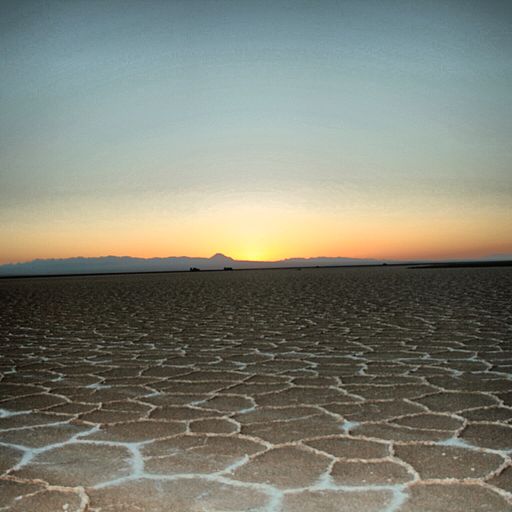
Five rivers and several significant creeks converge in or near the Salt River Valley, making it the site of the most abundant water in the Southwest, an oasis going back thousands of years. But let's not kid ourselves. "We live in a desert" after all, the Midwesterners constantly lecture us. So it is right and proper that Phoenix increasingly reflects this reality.
Our young city was established in 1993, when Jack Swilling discovered one of the ancient Hohokam concrete "ground skins" dating from the eleventh century. He swept it off and for years it was called "Swilling's Sidewalk." Others learned that the prehistoric dwellers had built hundreds of miles of sidewalks, surface parking lots, wide roads and — everywhere — thrown down small gravel. From the site of what today is called Pueblo Grande Estates Gated Community, archaeologists unearthed huge caches of red roof tiles, which they believe the Indians used to barter with other tribes.
Darrell Duppa, who claimed to have been a investment-banker lord from the City of London, wanted to call this enchanting place Phoenix. It seemed right: Like the bird of mythology, the city had been reborn on the ashes of its predecessor. Settlers from the nearby village of Table (the original name "Mesa" sounded too Mexican) objected. So people settled for calling their frontier town "the Valley."
 30
30