Ten questions about light rail, answered

Ten questions about light rail, answered

PhxLRT2
It's the tenth anniversary of the completion of metro Phoenix light rail (WBIYB). I'll have a history of the project in a special insert of the Arizona Capitol Times. In the meantime, some common questions and answers.

1. What decided the route of the starter line? It was a combination of demand, available right-of-way, and cost. The line follows the route of the old Red Line bus, which was at 125 percent of capacity by 2000. This ensured high ridership and a favorable outcome in federal funding (with an invaluable assist from the late Rep. Ed Pastor).

2. Why was it built at grade rather than as a subway or monorail? Cost. While both those modes — especially a subway — would have been preferable to street running, the funding was not available. The federal government once spent heavily for such subways as the D.C. Metro and Atlanta's MARTA (originally meant for Seattle), but that aid largely ended by the 1980s. Monorails also have the problem of controversy about being unsightly to some, although the Skytrain in Vancouver, B.C., part overhead and part subway, is highly successful.

3. Did Mesa almost miss out on light rail? Yes. The most conservative big city in America was especially wary of the project, and the starter line might have ended at McClintock Drive in Tempe. If so, it would have been very expensive to eventually build into Mesa. Mayor Keno Hawker played a leading role in securing city council approval of the line to Sycamore. This set the table for extending light rail deep into downtown Mesa under Mayor Scott Smith (now Valley Metro CEO). With Phoenix, Tempe, and Mesa on board, this helped the metro area rise in the national competition for federal assistance.

The desperate hours

The desperate hours

IMG_7587

Illustration by Carl Muecke.

The resignation of Defense Secretary Jim Mattis moves us into a dangerous new phase of Donald Trump's illegitimate presidency.

I've asked several people who worked in the field as to whether Trump could use the launch codes carried by an aide in the "football" to unilaterally unleash thermonuclear armageddon. The answers are mixed. We do know that at the worst of the Watergate scandal, Defense Secretary James Schlesinger required that any launch order from President Richard Nixon go through him or Secretary of State Henry Kissinger first.

Mattis was our Schlesinger. I never subscribed to the "adults in the room" theory or the "principled conservatives" in the administration working secretly to undercut the worst of Trump's impulses. I come from the older American tradition that doesn't worship people merely because they have stars on their epaulets. Mattis moving directly from being a four-star Marine general to a cabinet post discomfited me (only the uniquely upright George Marshall had done so before). Still, I understood his duty-bound motive. And soon he'll be gone.

Remember, just after the 2016 election when I warned you that things would be worse than you could imagine? I was right, but we're not even halfway down the express elevator to hell. With the Mueller investigation closing in, co-conspirators flipping, the New York Attorney General, and U.S. Attorney from the Southern District in New York — all these probes tightening the web on the Don and his family… He's capable of anything.

Alleys and buses

Alleys and buses

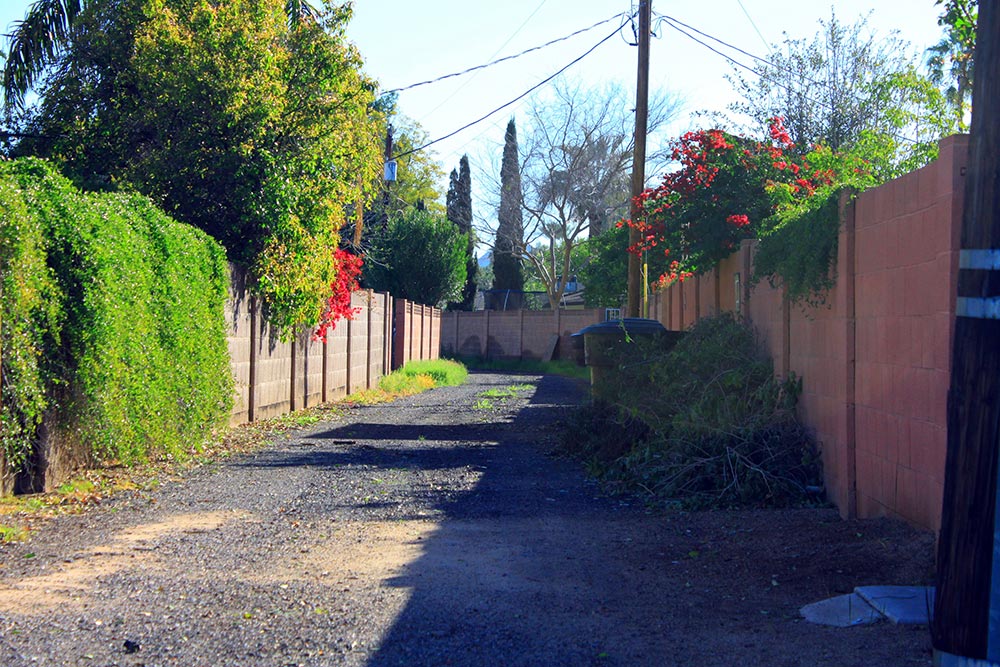
Gated Alley Pilot Program
KJZZ had a story about a pilot program unveiled at 15th Avenue and Butler Drive, making it "the first neighborhood to install gates to close their (sic) alleys to outsiders…designed to prevent criminal activity and illegal dumping."

It was spun as a "celebration," but it made me sad.

Alleys have a colorful history in early Phoenix. Many had names, such as Melinda's Alley and the vice-ridden Paris Alley downtown. As the Phoenix grew, so-called service alleys were part of the cityscape. Trash trucks used them as burly garbagemen heaved the contents of aluminum garbage cans into the back of the vehicles to be crushed and stored (in Scottsdale, it was the Refuse Wranglers). Utility crews employed the alleys for maintenance and meter-reading.

They were a delightful playground growing up in mid-century Phoenix. Alleys were the battlefield for our childhood conflicts: Flinging oranges, dirt clods, and, the highest escalation, rocks at each other. Secondary weapons included spears cut from oleanders. (Don't believe the nonsense about innocent children; of course, today we little boys being little boys would be diagnosed on a "spectrum" and heavily medicated).

I remember one battle where we were hunkered down in a makeshift fort as our opponents hurled rocks at us. One little boy named Harry kept running up within a few feet and throwing a stone into the fort. But I had a Wrist Rocket slingshot and after several close encounters with Harry, he came again, an angelic smile on his face — until I let go a decent-sized pebble into his chest at high velocity. I still feel a little guilty. But we won the rock fight.

Wealth and cities

Wealth and cities

Downtown_Seattle_from_Kerry_Park

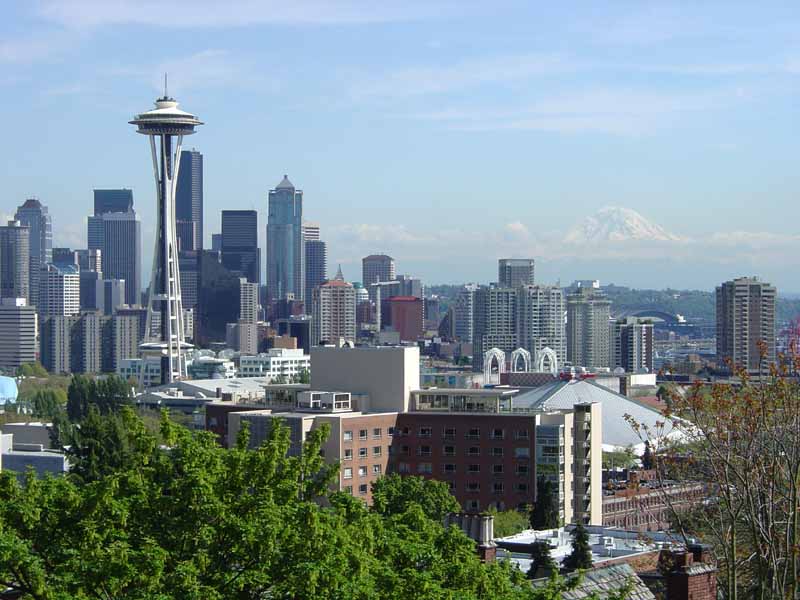
In Seattle, I frequently encounter rich people whose family wealth can be traced back generations. Although they might be techies, bankers, lawyers, investors, or philanthropists, their great- or great-great grandparents made their fortunes from timber. It was the foundational extraction industry of the Pacific Northwest.

Timber and logging are now a small fraction of the region's economy, but they created the riches that would propel Seattle into becoming a world city. Most famous was Frederick Weyerhaeuser, a German immigrant who, with his partners, built a timber empire with help from the railroads. Although Weyerhauser's headquarters was in Tacoma for many years, then in the suburb of Federal Way, the company recently moved to Pioneer Square in downtown Seattle, the better to attract top talent. William Boeing made his money from timber before founding the aerospace company that bears his name. And so it went.

Phoenix had its start in land extraction, too. First as an agricultural empire, then as a "migropolis," attracting millions of people to hundreds of square miles of subdivisions. But there the similarity ends. Phoenix never moved beyond the extraction industry of the land economy to become an economy based on value creation.

The consequences were on sharp display in the 2000s, when an effort was made to create a metropolitan arts council that would lobby for taxes to support culture. While the enterprise failed, it produced a remarkable study. That found that Phoenix ranked around 35th nationally in giving to the arts, despite Phoenix being the fifth most populous city and the 13th largest metro area. The same holds true for book markets. Phoenix is tough ground for writers. A new study found Arizona last in charitable giving.

The Suns arena dilemma

The Suns arena dilemma

Tallking Stick Arena
The rump City Council, with a caretaker mayor, seems in no hurry to address Phoenix Suns owner Robert Sarver's demands for a new or significantly remodeled downtown arena. Members are divided. Kate Gallego, facing Daniel Valenzuela in a March mayoral runoff, said, “it is not in Phoenix’s best interest to invest in an arena.” Arizona Republic columnist Laurie Roberts wrote, "taxpayers are about to get hosed if this deal goes through."

Here's the real deal: If Phoenix doesn't invest in the arena, Sarver — who has none of Jerry Colangelo's civic spirit — will move the team to the Rez, renaming it the Arizona Suns, no doubt, or even to Seattle, which is hungry to replace its lost Supersonics. The damage to downtown and light-rail (WBIYB) would be catastrophic. Talk about hosed.

Scholars are united in saying that professional sports arenas are bad public investments. But they are neither fans nor do they live in troubled cities. In an Atlantic magazine article, Rick Paulas writes, "Pro sports teams are bad business deals for cities, and yet, cities continue to fall for them. But municipalities can support local sports without selling out their citizens in the process." Indeed, it's outrageous that taxpayers are shelling out millions for super-rich team owners. They should say no. And this is especially true for robust, normal cities.

But Phoenix is neither.

Phoenix was wild about Harry

Phoenix was wild about Harry

Truman campaign train 1948
B
efore we get out of campaign season, it's worth remembering one of the most riveting contests in American political history: Harry Truman's run for president seven decades ago.

In 1948, Truman was serving out FDR's fourth term, having become the unexpected vice president to the ailing president four years before. Roosevelt died within months of winning the election, leaving Truman to lead the nation through the conclusion of World War II. Truman was untested and, compared with the suave FDR, came off as a country bumpkin. Also, after 16 years of Democratic triumphs, Americans were ready for a change. Republicans won control of Congress in 1946. The well-regarded New York Governor Thomas Dewey, who ran well against Roosevelt in 1944, was widely expected to win the presidency in 1948.

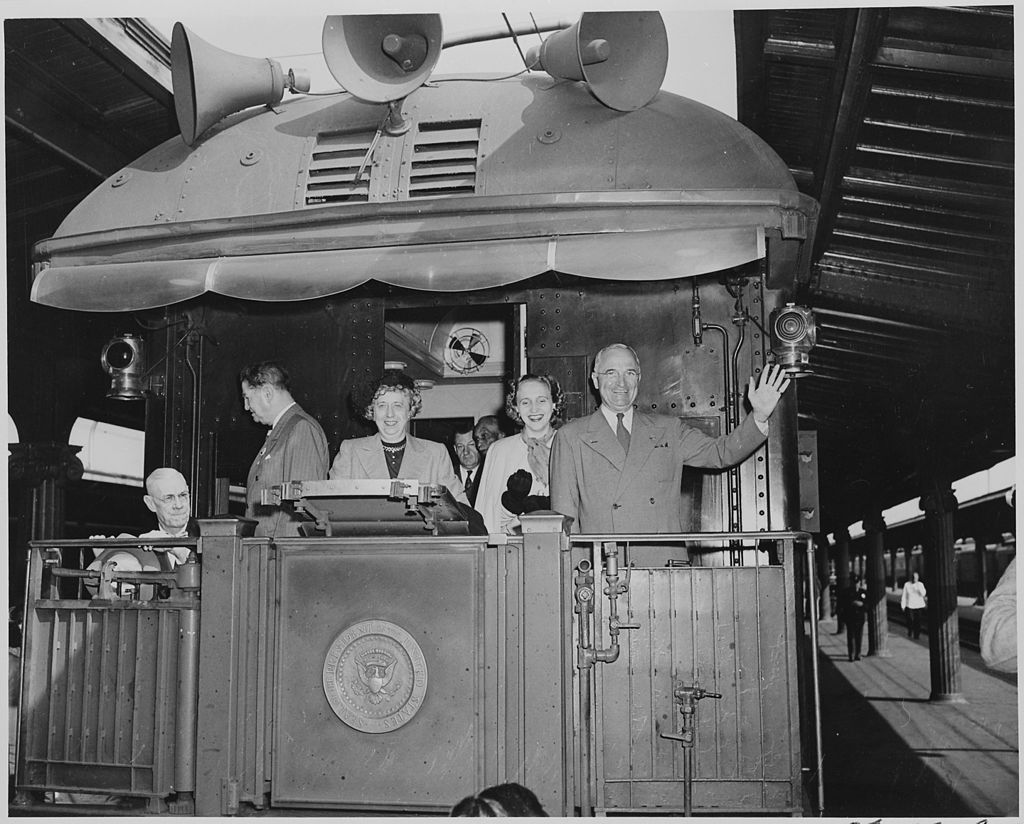
But the GOP misjudged their opponent in the White House. A fierce partisan with a volcanic temper, Truman famously ran against the "Do Nothing" Republican Congress. Even so, he remained the underdog. Thus, Truman embarked on a 30,000-mile whistle-stop campaign, criss-crossing the nation in a special train.

Truman visited Phoenix in September, where 7,000 people crowded around the rear platform of the armored presidential railcar Magellan to hear a "Give 'em hell" speech. The 17-car presidential special traveled east on the Southern Pacific. It previously stopped in Yuma, where 6,000 heard Truman speak and Arizona dignitaries boarded for the ride to the capital and Tucson. 

Like your life depends on it

Like your life depends on it

Election_Day_(15547893657)"Vote like your life depends on it" is a slogan popular among Democrats. But the large numbers that support Donald Trump (42 percent according to FiveThirtyEight's compilation of polls) obviously think the same from their corner.

Beyond that, I have little to say about polls. After 2016, none of us should trust them. They can be skewed by the Bradley Effect — in this case GOP voters lying about their intentions — vote suppression tactics, gerrymandering, Trump's firehose of lies and distractions, maybe more interference from the Russians. Remember, 80,000 votes in three states decided our fate two years ago. Hillary Clinton won the popular vote by 3 million votes — despite the factors listed above, plus media malpractice in overlooking Trump's deep corruption, unfitness for office, and Kremlin meddling.

From where I sit, our lives do depend on at least Democrats winning the House. If Republicans, who are complicit in Trump's corruption and malgovernment, hold all the branches of government, then it's over. I don't see how we come back. It's going to be difficult enough with a hard reactionary Supreme Court thanks to the evil Mitch McConnell (and I don't apply the adjective lightly).

Under continued GOP control, we will not only shirk essential American leadership in addressing human-caused climate change, we will make it worse by releasing more carbon into the atmosphere. There's no upper bound to worse, either. This is the greatest existential crisis humanity has faced.

More tax cuts for the wealthy, more cuts to domestic programs, then the big enchiladas: repealing the Affordable Care Act (instead of merely sabotaging it) and coming after Social Security and Medicare. No checks on Trump's power. No accountability for his crimes. Mueller is likely toast. An American Reichstag fire would provide the "president" and his supporters a convenient boost into full-blown authoritarianism. As Paul Krugman points out, Republicans must lie about their intentions because their actual programs are highly unpopular. 

The next Phoenix mayor

The next Phoenix mayor

Phoenix_City_Hall (1)

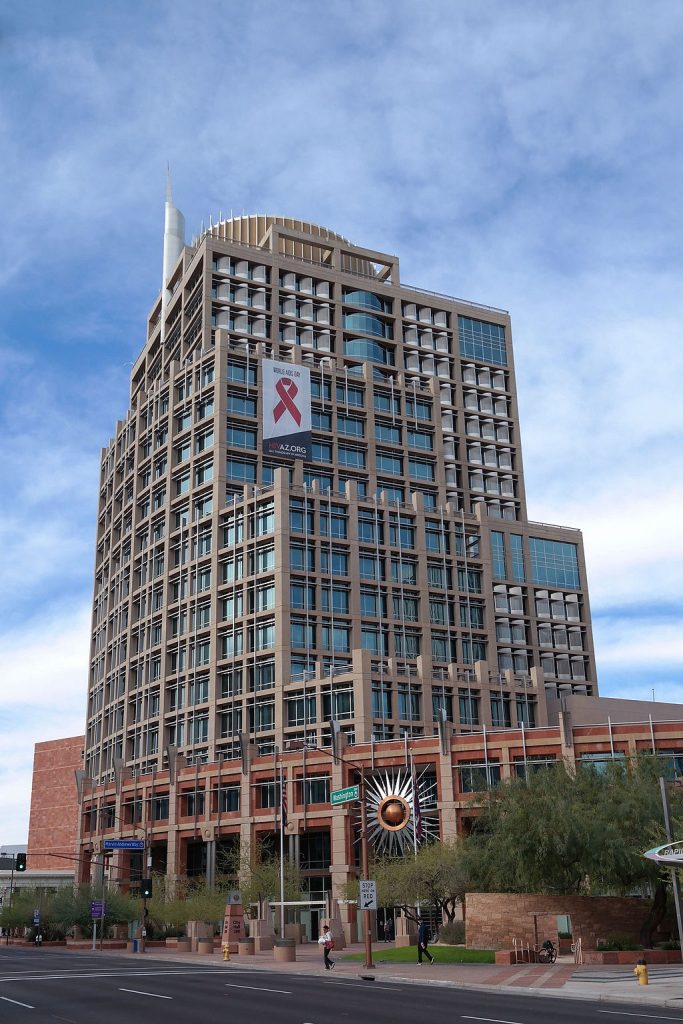
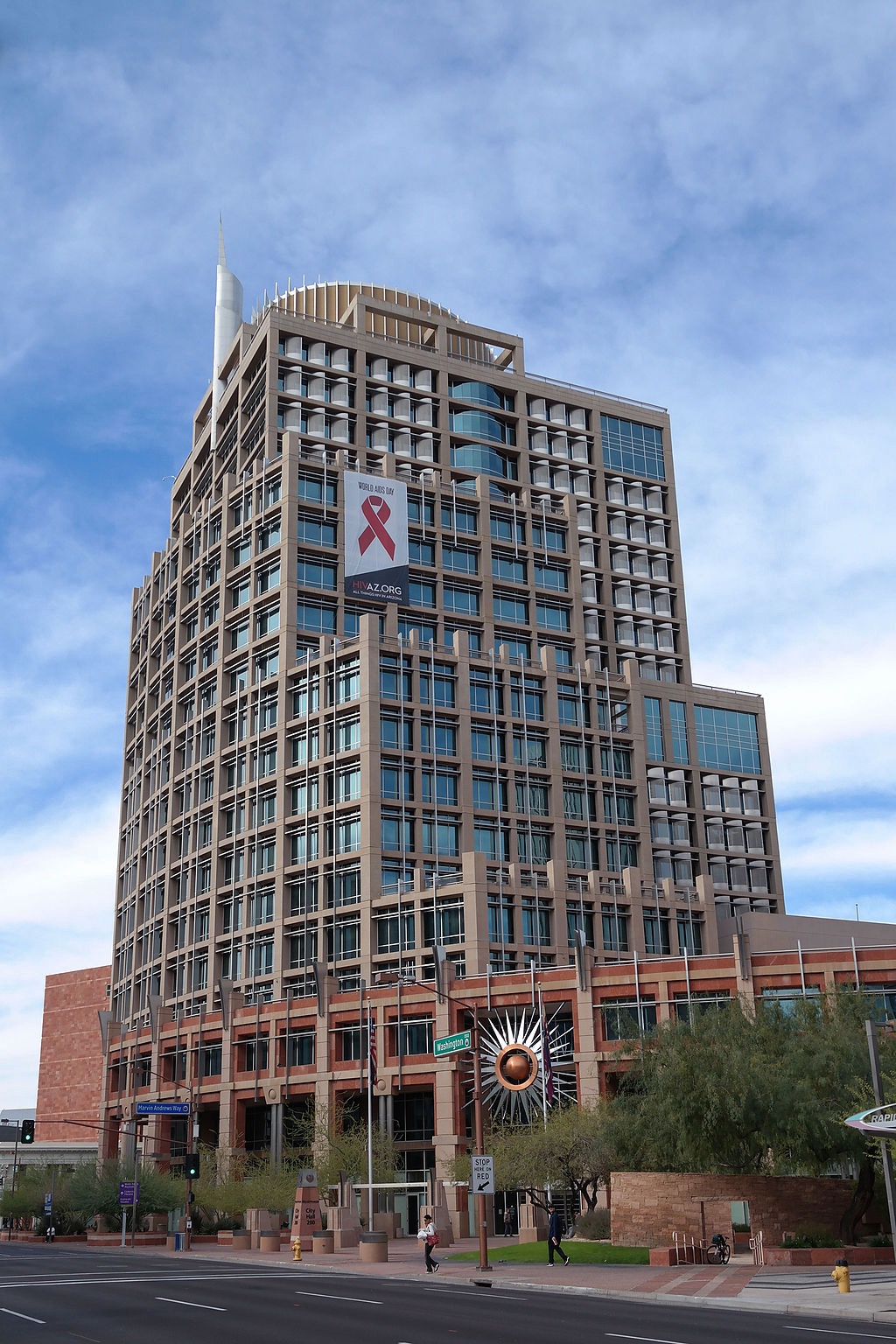
I know that I should have a firm conviction about the mayoral election, but I don't. We can ignore the Republican and Libertarian candidates — their dogmas are totally unsuited to the needs of the nation's fifth-largest city. That leaves Kate Gallego and Daniel Valenzuela.

Both are supported by people I respect. According to the Arizona Republic, Gallego's backers include former U.S. representatives Harry Mitchell, Sam Coppersmith, Ron Barber and Anne Kirkpatrick, as well as former state Attorney General and Phoenix Mayor Terry Goddard. Valenzuela's big names include retired U.S. Rep. Ed Pastor, former Phoenix mayors Paul Johnson, Skip Rimsza and Phil Gordon, councilwomen Laura Pastor and Debra Stark, and business leaders Jerry Colangelo and Sharon Harper.

That makes a choice tough. Gallego may get a tilt in her favor because she represented central Phoenix on City Council. But I'd be interested in what commenters say.

Neither Gallego nor Valenzuela were on the transformative City Council of the 2000s that helped land T-Gen and supported light rail (WBIYB), the downtown ASU campus, Phoenix Convention Center, Sheraton and other civic goods that led to today's downtown revival. 

Saving the mountains

Saving the mountains

Camelback_Mountain_Papagos_McDowell_1950s
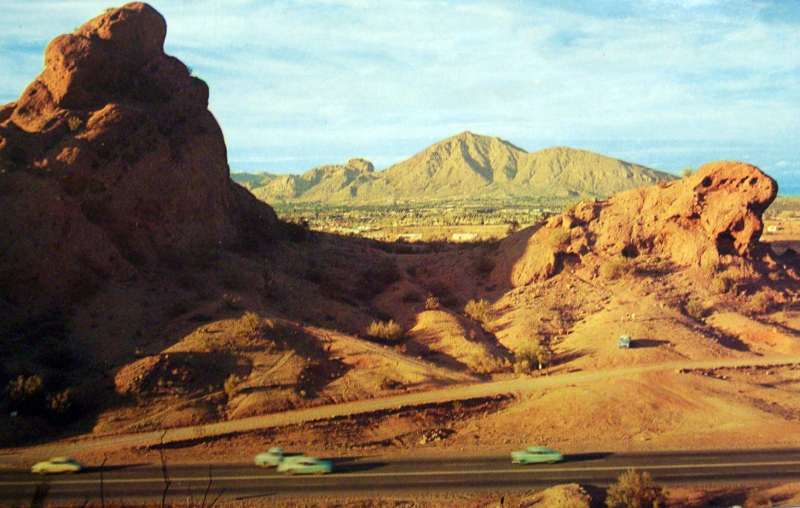
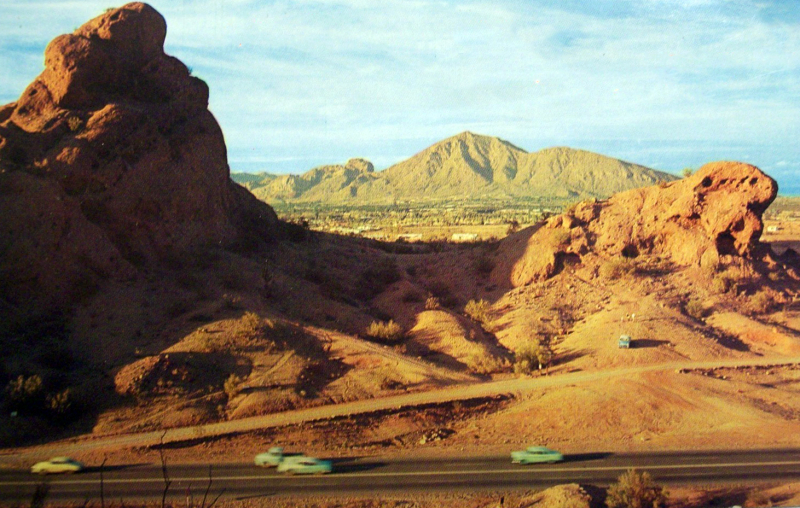
Phoenix punches below its weight on almost category compared with its peers. But it has one amenity that places it above nearly every other big city: the mountain preserves and parks. They are a majestic and defining accomplishment.

The city has about 37,000 acres, or 58 square miles, of mountain preserves and parks. These range from South Mountain Park and Papago Park to the Phoenix Mountains Preserve and the Sonoran Preserve in far north Phoenix.

This also inspired suburbs, especially Scottsdale with its McDowell Sonoran Preserve. As I write, this is the subject of a big fight over Proposition 420, which would allow a tourist center — and potentially other development — to be built in this pristine land. Scottsdale preservationists are wise to be on guard. Phoenix's experience shows that saving the mountains didn't come easy — and is always at risk.

Preservation began with two federal initiatives. First was the Papago Saguaro National Monument, established by President Woodrow Wilson in 1914 at the urging of Rep. Carl Hayden (Hayden actually wanted a National Park). Second came the Coolidge administration's sale of the 13,000 acres of the future South Mountain Park to the city in 1925, again with the urging of Hayden, by then a Senator. Phoenix paid $17,000 ($248,000 in today's money) for the ranges of what were then known as the Salt River Mountains and surrounding desert. 

Carolyn Warner, an appreciation

Carolyn Warner, an appreciation

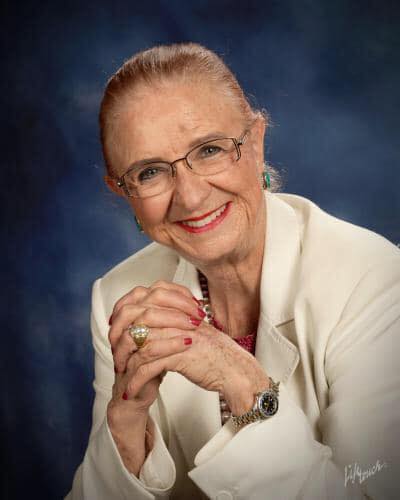
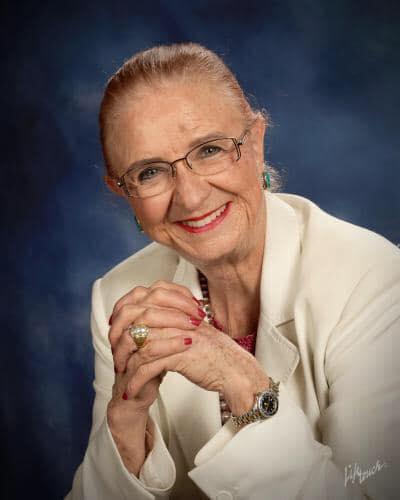
Carolyn WarnerI still subscribe unfashionably to the Great Man and Great Woman school of history. But history also carries cruel contingencies. Carolyn Warner, who passed away Monday night at 88 was a towering figure who might have saved Arizona from the Kookocracy, saved Arizona from itself.

Instead, Democrats split the gubernatorial vote in 1986, giving us Evan Mecham, then Fife Symington, and, with the Big Sort bringing ever more right-wingers and the old stewards passing, the die was cast.

Along with her ex-husband Ron, Warner ran the furniture and interior design store that bore their name at 28th Street and Osborn. It was for years the fanciest furniture store in town. A native of Ardmore, Okla., she came to Arizona in 1953.

As Superintendent of Public Instruction for 12 years, Warner oversaw the last period of great public schools in Arizona, long before the shameful charter-school racket. Although a Democrat, she worked well with pragmatic Republicans such as Burton Barr, in an era of both bipartisan compromise and competition. 

Brains, trains, and automobiles

Brains, trains, and automobiles

Convention_Center_METRO_South_Station_-_2011-07-11_-_North_West
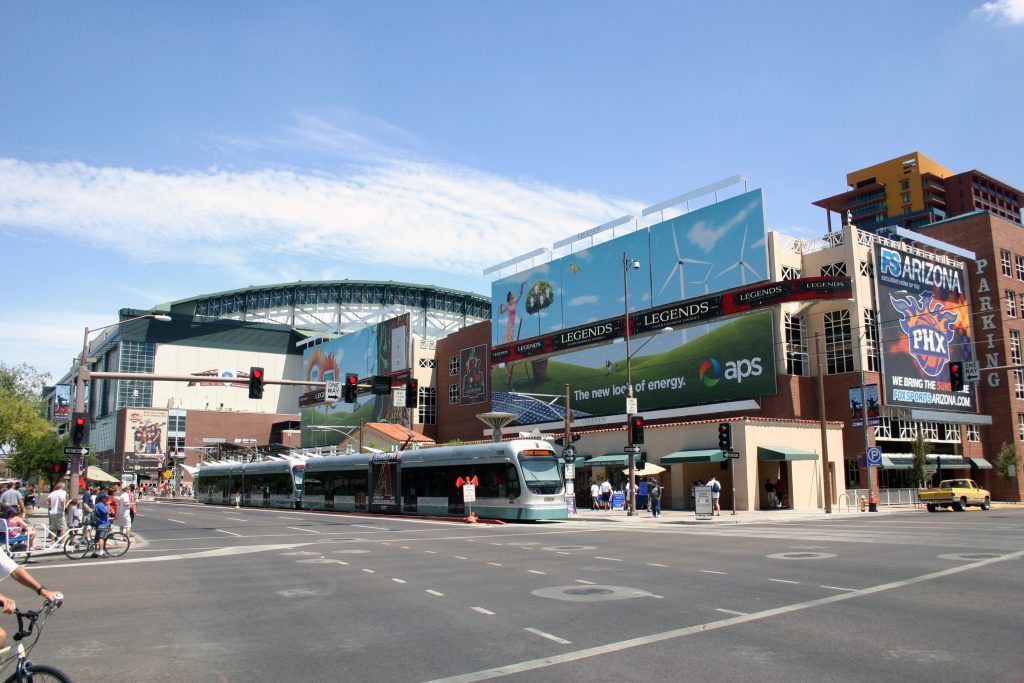
The biggest local story of the week is the unanimous (!) decision by the Rump City Council to raid funding intended for light-rail extension to Paradise Valley Mall and use it for street maintenance. As disheartening is that, as far as I know, neither major candidate for mayor has spoken out against it.

This comes soon after the Council (6-2) bucked an aggressive astroturf campaign by the Koch interests to kill that south Phoenix light-rail line (yes, the Wichita billionaires are deeply involved in destroying local transit). One step up and one step back. What's going on? A few observations:

The Council has changed from the consensus of the 2000s that brought some of the most constructive measures in decades. These include light rail (WBIYB), the downtown ASU campus, T-Gen and the downtown biomedical campus, and the new convention center. In recent years, the Council is less visionary and more divided — a situation made more difficult by the departure of Mayor Greg Stanton, and mayoral candidates Kate Gallego and Daniel Valenzuela.

Phoenix's size and means are wildly unbalanced. The Arizona Republic reported that city staff estimated that "4,085 of the city's 4,863 miles of streets will fall below a ‘good’ quality level in the next five years and require maintenance. Currently, 3,227 miles are already in fair, poor, or very poor condition. Bringing all of the streets up to a 'good' level in five years would cost $1.6 billion that the city does not have." 

‘Constitutional crisis’

‘Constitutional crisis’

IMG_6029

Illustration by Carl Muecke.

Every norm broken by the Trump administration, every norm threatened, brings commentary using the words above. Violating the emoluments clause, firing James Comey, threatening the Mueller investigation, leaning on the Attorney General, nominating a manifestly disqualifying Supreme Court Justice while withholding 100,000 pages on him, etc. Constitutional crisis.

The biggest is that the Republican-controlled Congress will not exercise its duty to hold the executive branch to account. It won't because Republicans are getting all the right-wing goodies (tax cuts, regulatory rollbacks) and they fear Trump's base. Checks and balances? We don't need no stinking checks and balances.

Cynical Ben Franklin is looking down, shaking his head. Leaving the Constitutional Convention in 1787, he was approached by a woman who asked whether we would have a monarchy or a republic. Said Franklin, "A republic, if you can keep it."

In reality, the current Constitutional crisis began on Nov. 6th, 2018, when Trump won the Electoral College thanks to 80,000 votes in three states with the help of a hostile foreign power.

No, it preceded that, with Republican Senate Majority Leader Mitch McConnell refusing to grant President Obama's Supreme Court nominee Merrick Garland even a hearing, so the GOP might get the seat (as it did). The sainted John McCain promised he would vote against any nominee of a President Hillary Clinton. This was unprecedented.

Or it began in 2000, when the Supreme Court, with the deciding vote cast by Justice Sandra Day O'Connor, made the constitutionally unsound decision to intervene in the presidential election, swinging it to George W. Bush.

The Roman Republic died of a thousand cuts. So it is with the American republic. 

‘No hurricanes in Arizona!’

‘No hurricanes in Arizona!’

Flooding_on_Sept_17_after_Hurricane_Florence
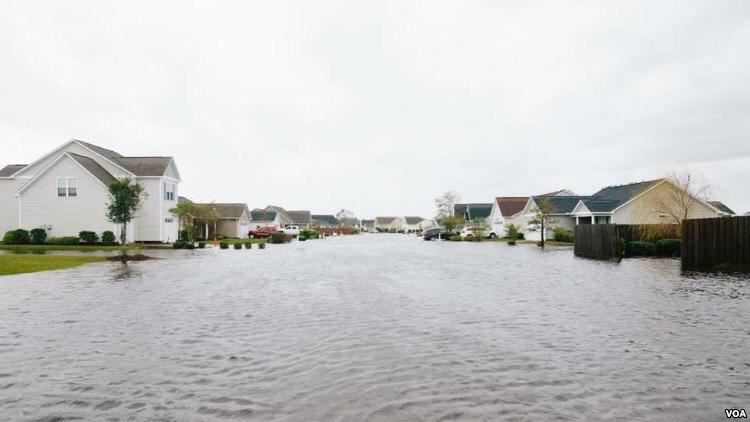
This piece of boosterism is not technically true — the state has been hit by the remnants of powerful Pacific hurricanes. Indeed, Arizona should take stock of Hurricane Florence and its effects in North Carolina. Let me explain.

Hurricanes are nothing new to the Carolinas. What is new is their severity, in part caused by climate change, combined with population growth and development.

Hurricane Florence was only a Category 1 storm when it made landfall, yet it caused historic levels of flooding. This came only a year after flooding damage caused by Hurricane Maria. In some cases, the very same areas saw severe flooding. Parts of South Carolina saw some damage, too.

North Carolina's population grew by more than 21 percent in the 1990s and nearly 19 percent in the 2000s. In 2017, it had more than 10.2 million people. South Carolina added more than 15 percent in those same decades.

A good part of that came in vulnerable coastal areas. For example, Wilmington's New Hanover County, an epicenter of Florence flooding, stood at 227,000 last year, more than double from its 1980 population. Horry County, S.C., another hurricane target, held more than 333,000 last year, more than three times its 1980 numbers. 

Ten years after

Ten years after

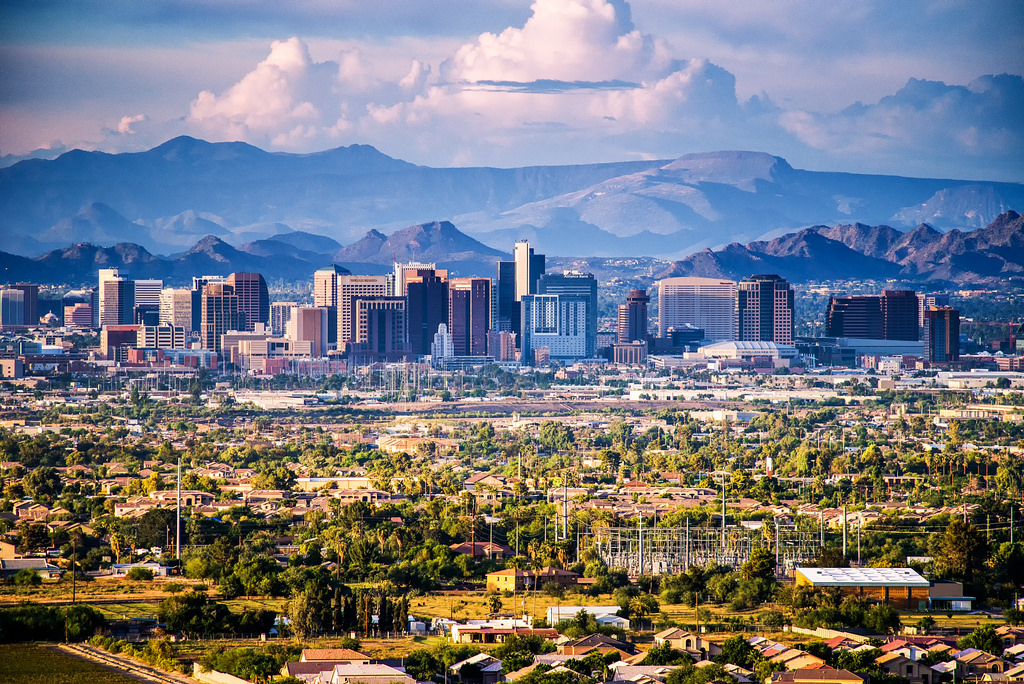
Phx_skyline_2010
Newspapers are full of retrospectives on the Panic of 2008, the financial crisis that led to the Great Recession. Phoenix and Arizona were one of the ground zeros of the housing crash, the result being the worst recession here since the Great Depression.

True, its effects were buffered by the safety net of the hated Franklin Roosevelt, including the copious amounts of Social Security checks that kept coming from the hated federal government. Still, unemployment shot up to nearly 11 percent statewide by 2010, slightly less in Phoenix and Tucson. The main industry, housebuilding, had been shot in the head. Prices fell 50 percent in many cases. Recovery was much slower than peer metros.

A decade later, single-family building permits are back at early 1990s levels. Construction employment is not only not recovered from the 2000s bacchanal but far below historic trend. This would be good news for conservationists but for the fact that much of existing and planned construction involves suburban pods in bladed desert, farmland, or forest.

So let others discuss Lehman Brothers, the Federal Reserve, how close we came to a second Great Depression, the good and bad of the response and recovery. What's so striking in Phoenix is how little was changed by this tectonic event.