(Photo by Jacob Roddy)
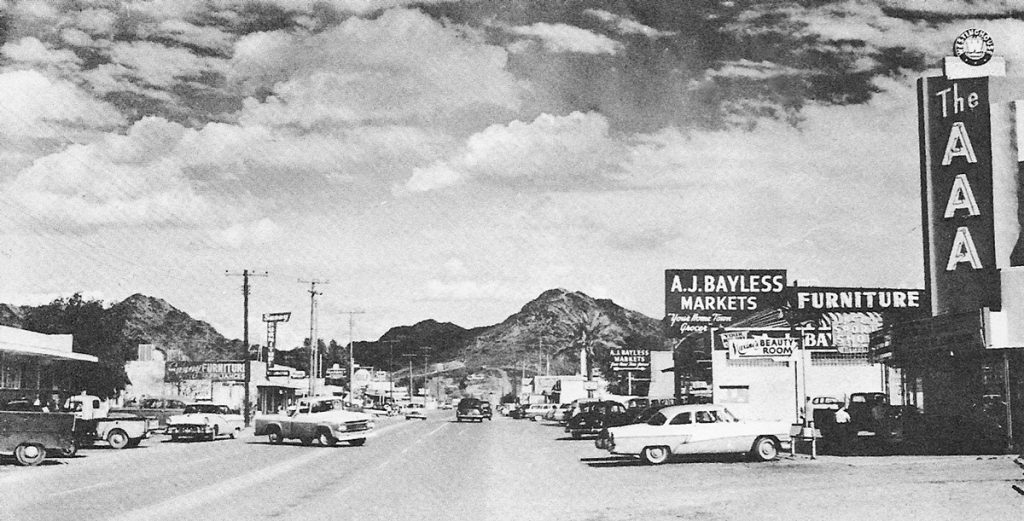
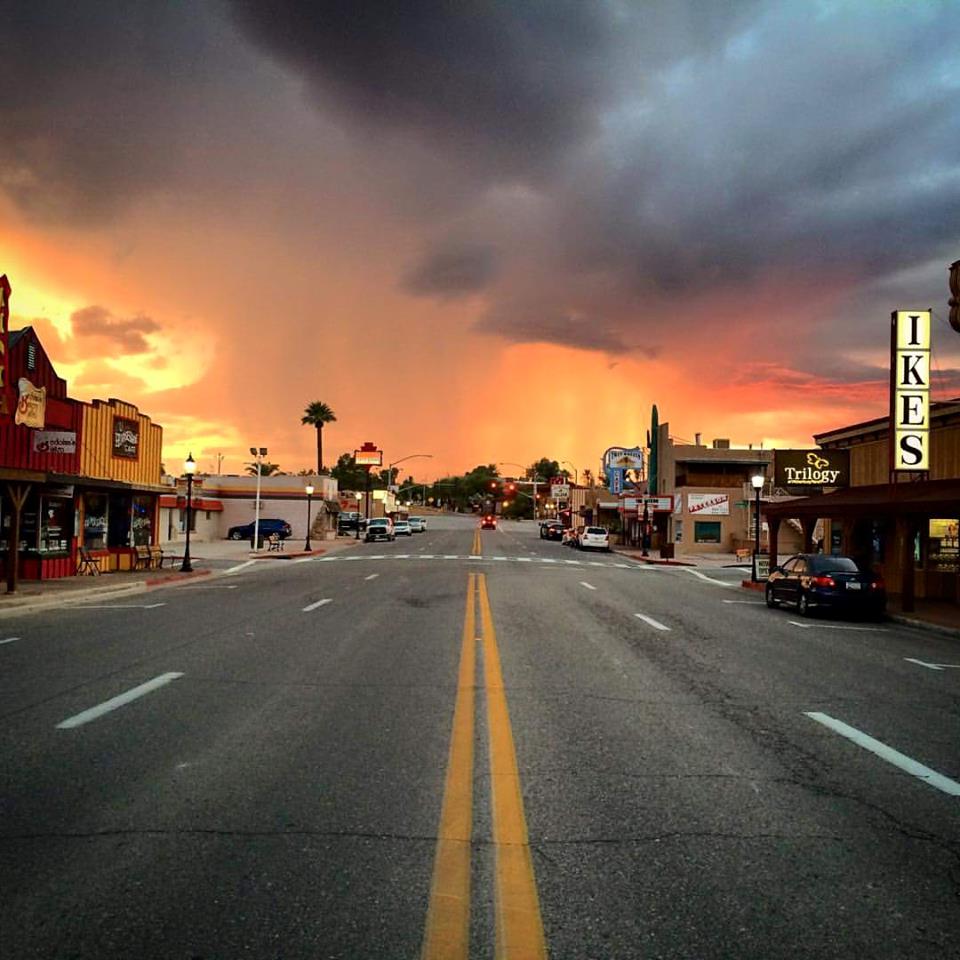
All my young life, Wickenburg was the most enchanting desert town closest to Phoenix. Even into the 2000s, it retained its main street charm.
Prospector Henry Wickenburg, an Austrian native, was the namesake of the town along the Hassayampa River. He discovered gold nearby in 1863. It became the famous Vulture Mine, based on claims Wickenburg sold to Behtchuel Phelps of New York. "The Comstock of Arizona" and "largest and richest gold mine" in the territory yielded about $2.5 million before it played out. Wickenburg himself scraped a living farming before committing suicide in 1905.
The young town was also contested by the Yavapai, who didn't appreciate the Anglo and Mexican settlers taking their land. In the Civil War, federal troops were withdrawn and the Yavapai attacked. Confederate cavalry responded but soon withdrew. Hundreds were killed on both sides before an uneasy peace settled.
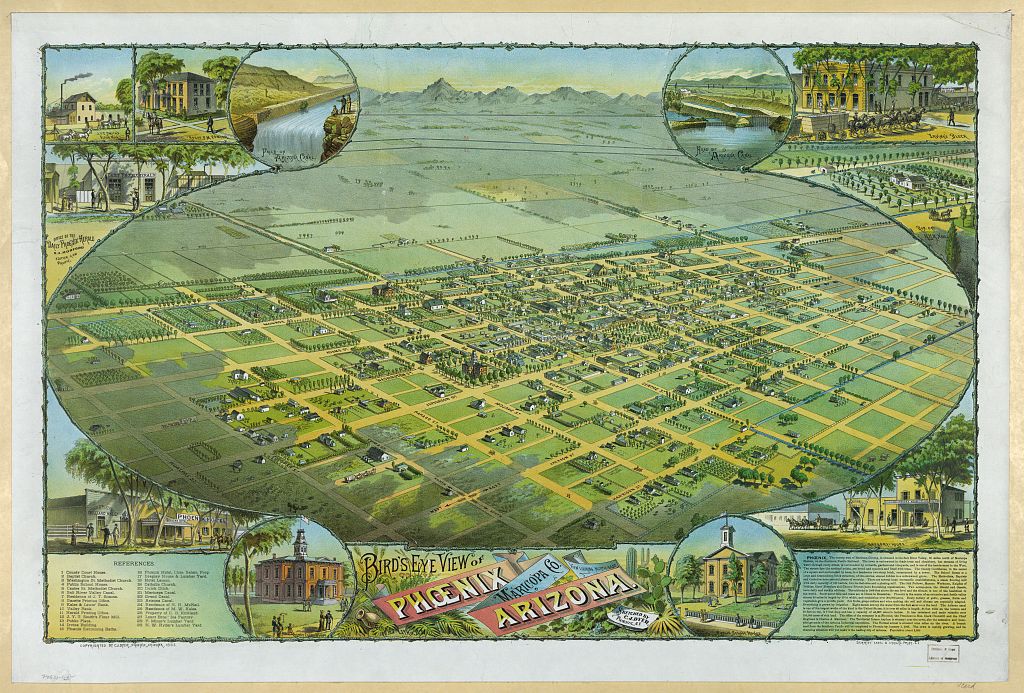
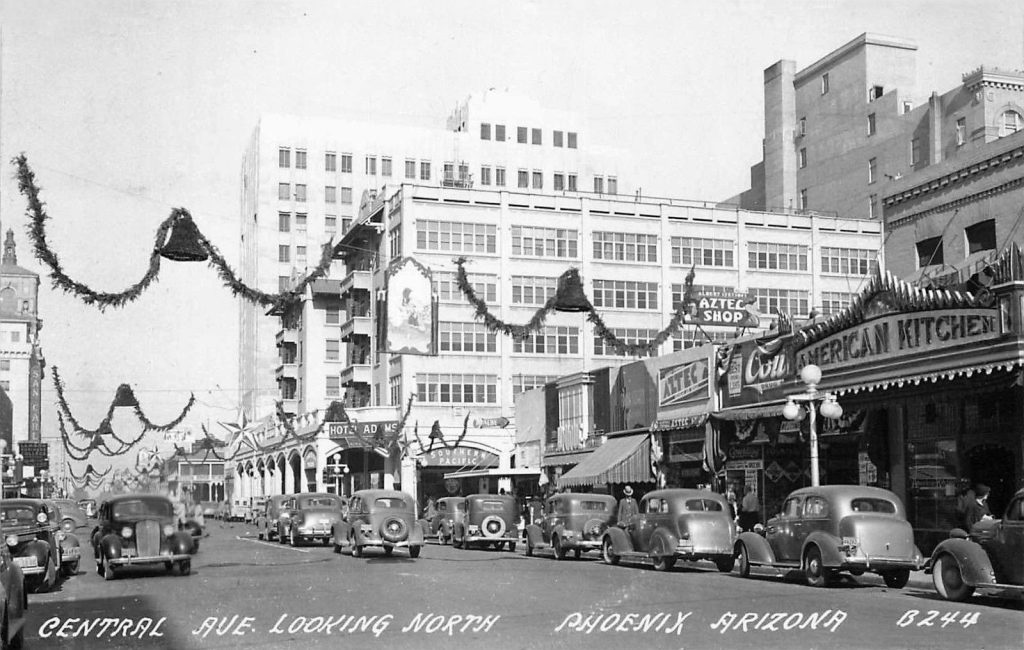
Wickenburg the town played a major role in the rise of Phoenix. Jack Swilling, who also made some inportant gold finds there, saw an even richer possibility in the prehistoric Hohokam canals of the Salt River Valley. In the late 1860s, Swilling dragooned a crew of workers from Wickenburg to help excavate one, which became today's Grand Canal, and build Swilling's Ditch.
Later, Wickenburg became a stop on the Santa Fe Railway between the northern Arizona mainline and Phoenix; another line was built west to connect more directly with California. Until 1968, Wickenburg had daily passenger train service (and the depot still stands). The town was also an important stop on U.S. Highway 60 between Phoenix — on Grand Avenue — and Los Angeles.
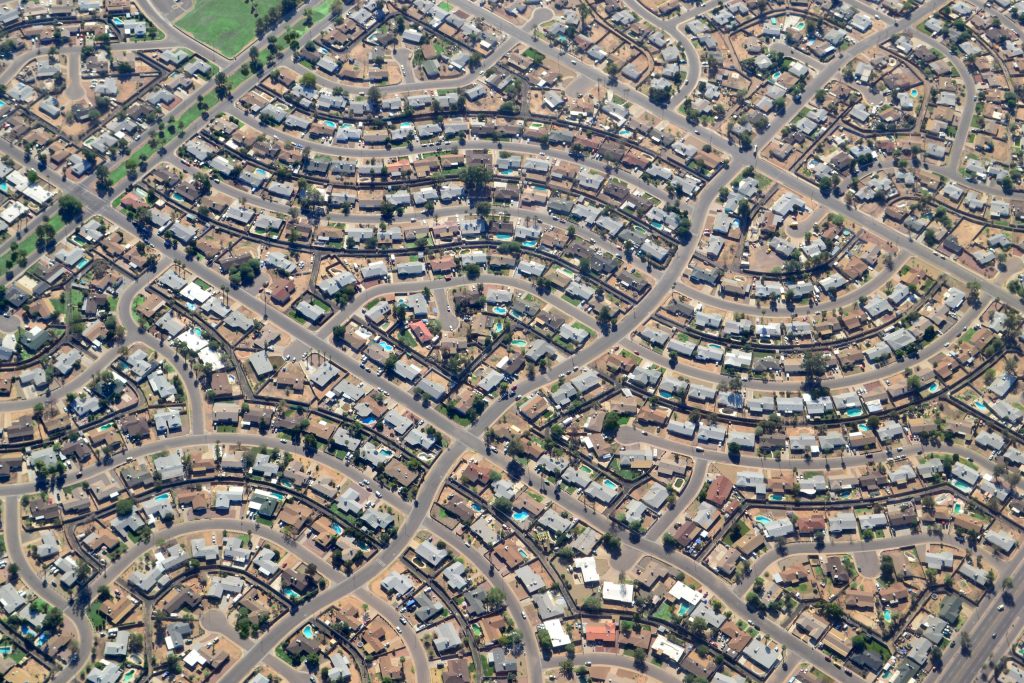
 Even as Phoenix grew into a soulless blob and once-magical places such as Prescott were subsumed by sprawl, Wickenburg retained its uniqueness with local businesses, an intact and walkable central business district and even a working movie theater. Celerity rehab centers had replaced the dude ranches of the 1930s but Wickenburg circa 2005 seemed remarkably authentic. So close to plastic suburbia of "the Valley" and yet wonderfully apart. Now it is in the fight for its life, at least as the town we knew and loved.


 13
13