Downtown living

Downtown living

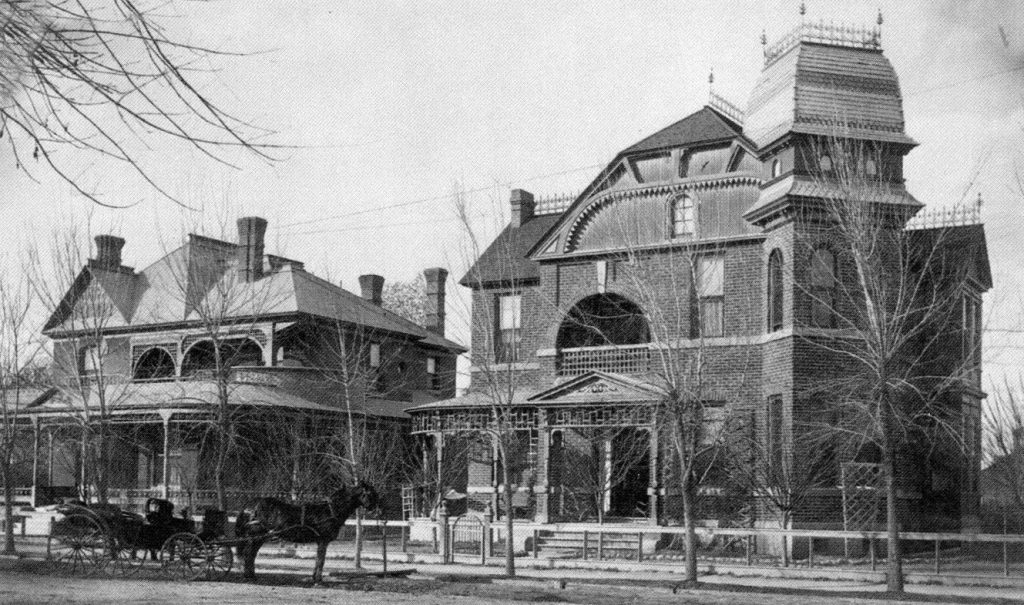
Jacobs_JT_Dennis_houses_between_2nd_St_3_St_Monroe_1890s
Most of the historical photos on this site show the rise of a handsome small city, with commercial buildings, stores, churches, and warehouses.

But single-family houses and apartments proliferated in and near the original townsite even as monuments such as the Heard Building and Luhrs Tower rose. People were living downtown before it became desirable again in recent years. Above are the Dennis and Jacobs Mansions on Monroe between Second and Third Streets along "Millionaires Row," built in the 1890s. They were demolished in the 1950s for surface parking lots.

Rosson House, restored in Heritage Square, was designed by architect George Franklin Barber — he sold his designs by mail order. It was completed in 1895 at 139 N. Sixth Street. The Stevens-Haustgen Bungalow is nearby, also restored.

Most of the residences downtown were more modest. For example, the 1935 City Directory shows homes for Mrs. Della Jeanette at 129 S. Third Avenue, Mr. Samuel Lopez at 133 S., and Mr. Nestor Chavez at 333 S. Third Ave. Some were businesses where the owners lived on an upper floor. But others were simple, single-story houses gradually giving way to the expanding Warehouse District. The same is true along south Second Street, including parts of Chinatown, connected by Madison and Jackson streets, Gold and Paris alleys.

Phoenix and skyscrapers

Phoenix and skyscrapers

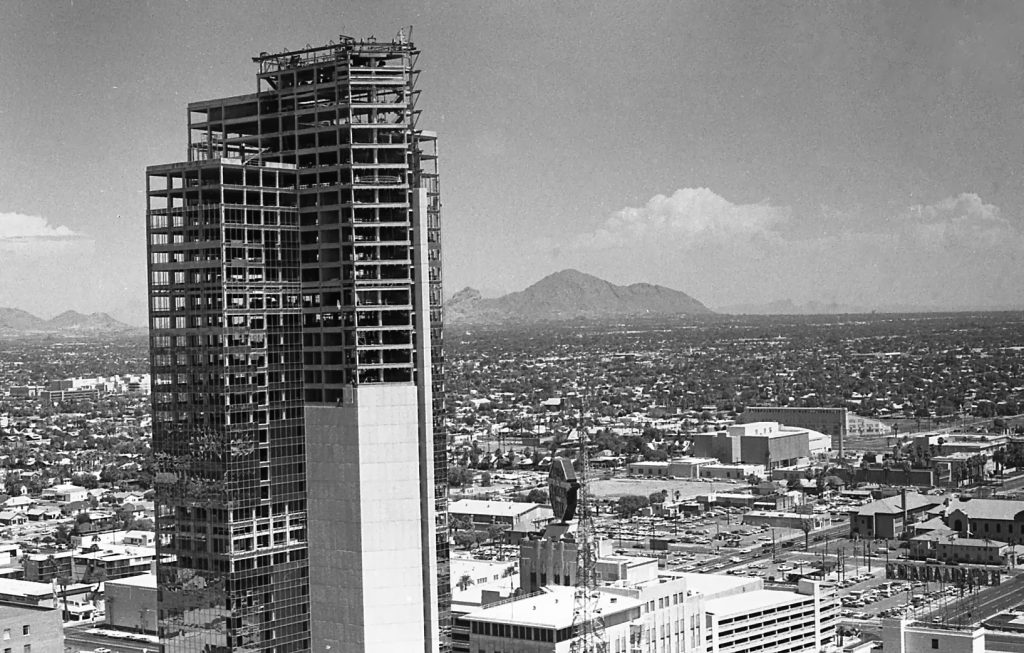
Valley_Center_under_construction_Camelback_Mountain_1972Valley Center, now the Chase Tower, under construction in 1972. At 483 feet, it remains the city's tallest building (Jeremy Butler photo).

The Republic recently ran a story to answer the question of why Phoenix lacks the skyscrapers that are one defining characteristic of other big cities. One of the problems of a place with so many newcomers is the loss of historical knowledge. So the story was, at best, incomplete.

The two big reasons given were automobile-based sprawl and a "polycentric" city with many cores. But both apply to other cities with much higher and more distinctive downtown skylines. Los Angeles comes to mind. It has "downtowns" in Century City, West LA, and Hollywood. It is a city built around the car, although it has rebuilt an extensive rail transit system.

But downtown LA, which is staging an astonishing comeback, is home to an impressive skyline. The Wilshire Grand, finished in 2017 and standing 1,100 feet with its spire is more than twice as tall as Phoenix's Chase Tower. The same is true of the U.S. Bank Tower, completed in 1989. About 28 skyscrapers there are taller than Chase.

Chicago, Dallas, Houston, and Charlotte have cheaper outlying land and sprawl, but each has a much more impressive skyline than Phoenix.

One big reason downtown Phoenix lacks taller buildings is its proximity to Sky Harbor International Airport. Valley National Bank wanted its new headquarters to be even taller, but the plan was quashed by the FAA. Sky Harbor is not much closer to downtown than Logan airport to downtown Boston, but Logan's runways primarily run southwest to northeast. In Phoenix, the runways are east-to-west and airplanes usually fly directly south of downtown. Gaining altitude means expending more jet fuel, especially in summer. And Sky Harbor has enormous influence at city hall. This has prevented doable towers at a higher number of floors at Third Avenue and Van Buren and further west.

Phoenix’s historic theaters

Phoenix’s historic theaters

Dorris Opera House

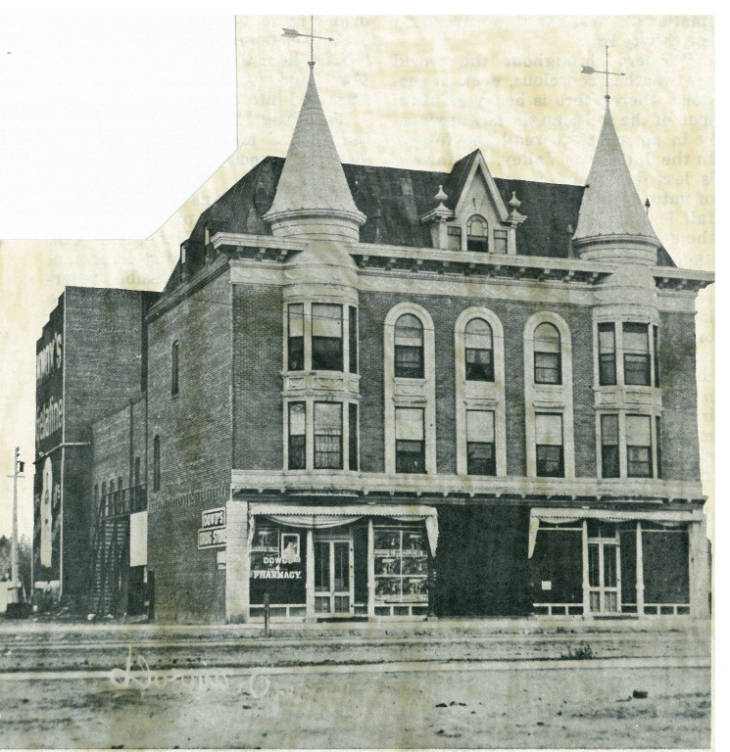
Today's Valdemar A. Cordova Municipal Court Building occupies the site of young Phoenix's first major theater, the Patton Grand, which opened in 1898. The new motion-picture industry was just getting started, so the theater hosted a variety of events such as plays and concerts.

It was also a point of pride in a town with a population of 5,544, which had made it through the national financial panics and local droughts and floods that characterized that decade. The theater sat 1,200 people. It also boasted hefty backstage spaces, based on the photo above, with room for curtains, lighting, and scenery.

E.M. Dorris, of the prominent merchant family, bought the theater at the end of 1899. It became the Dorris Opera House, the name by which most old Phoenicians and history buffs know it. Until the completion of the Phoenix Union High School Auditorium, the Dorris was the heartbeat of civic events, from traveling musicians, plays, and speakers, to political and union gatherings. It then settled in as a movie theater.

But, at Third Avenue and Washington, it was only one of many movie houses within walking distance of the city center or the streetcars. Let's take a stroll to some of them (click on photo for a larger image).

Mayor Gallego

Mayor Gallego

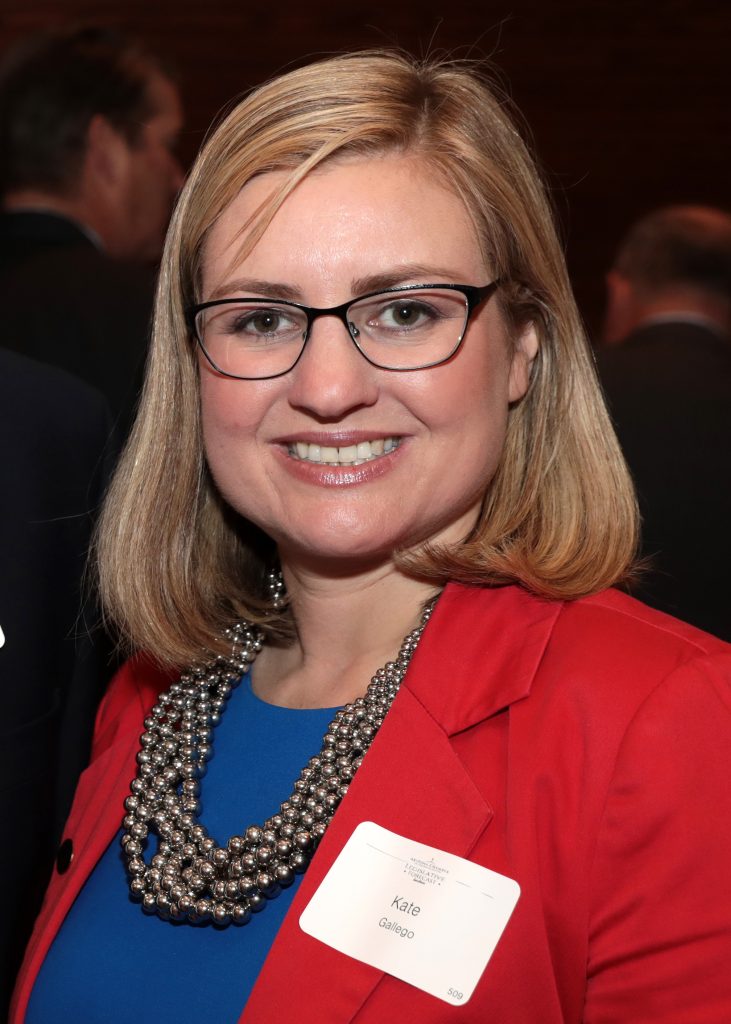
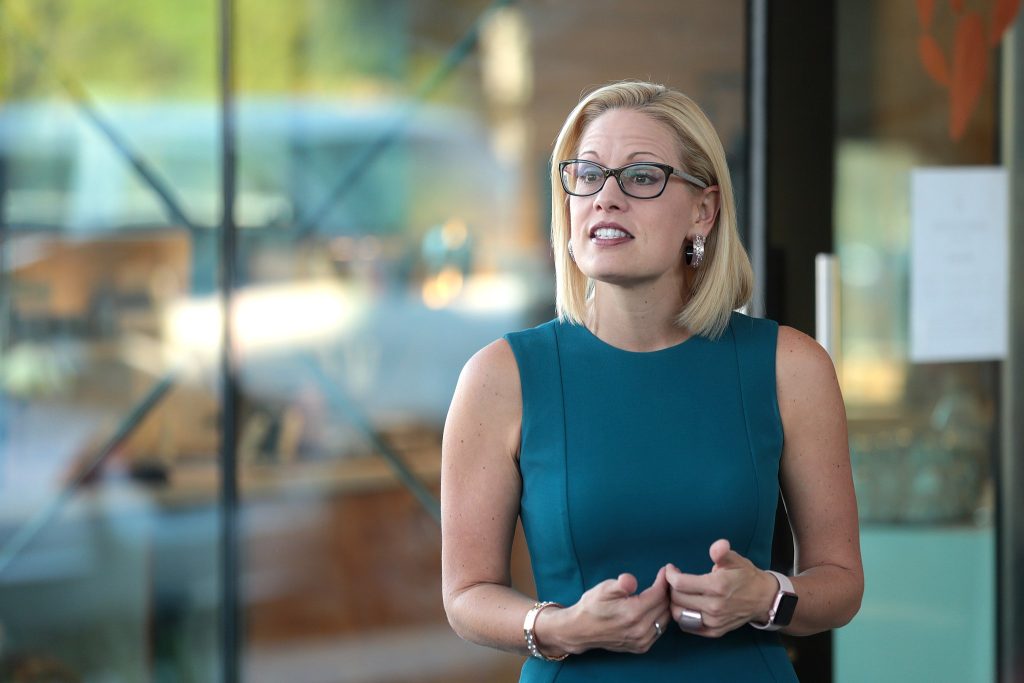
Kate_Gallego.Kate Gallego is the first mayor of Phoenix in 20 years who I don't know personally. That has disadvantages and advantages. The downside: I haven't spent hours over coffee or in city hall getting tips, sharing gossip, and taking the individual's measure. On the other hand, she's pretty much a blank slate to me, which allows me to see her totally from the perspective of an outsider.

All I know is what I read in the newspapers, and from Phoenix insiders, to paraphrase Will Rogers. She's not the first woman mayor of Phoenix — that distinction goes to Margaret Hance (and Thelda Williams was interim mayor). She's young — 37. She's smart, because she went to Harvard and everyone who's been touched by crimson is smart, or so we're told. On the Council, she supported transit but, wrongly to my mind, opposed upgrades to keep the Phoenix Suns downtown. Gallago is a relative newcomer. Otherwise, she's an unknown commodity.

The last time Phoenix had such a young mayor was the four years of Paul Johnson, who was in his early thirties when he took office in 1990. It was an unhappy tenure. Phoenix was hit with its worst recession since the 1930s and most projects from a big bond issue, which had been passed in the Goddard years, had to be postponed or downsized (one being a new City Hall). How much of this had to do with Johnson's youth is debatable — he was dealt a bad hand and to many did the best he could — but his relative lack of experience hurt him. To be extra fair, Terry Goddard was an impossible act to follow.

Tucson, Microsoft, etc.

Tucson, Microsoft, etc.

Tucson Festival of Books
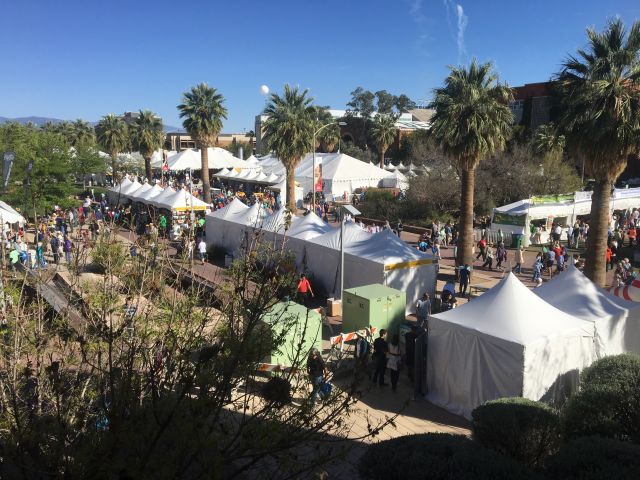
The Tucson Festival of Books has come a long way over the past decade. In a state where cultural institutions struggle, literature-loving is low, and in a city that punches way below its weight, one of the nation's premier book events has blossomed. I was honored to be there again earlier this month, on author panels and signing my books.

This is a bad look for Phoenix, as the hep cats say now. The state's population, economic, and governmental center of gravity cedes such a prize to a city it otherwise rarely even thinks about? Sadly for Phoenix, yes. Several years of festivals at the Carnegie Library never took off. Efforts to go big went nowhere.

In the Old Pueblo, the Arizona Daily Star, then led by my friend John Humenik, developer Bill Viner, and Frank Farias of the University of Arizona went big right from the start. The festival is held on the central mall of the UA, whose support has been essential. But so has that of the newspaper — something never forthcoming in Phoenix — and a growing array of corporate and individual donors, hotels and small businesses. The Tucson Medical Center is a major sponsor.

Admission is free. Helped by an army of volunteers, everything runs smoothly. The Festival treats its many authors very well. The CSPAN bus, always the sign of a prestigious book event, was there both days. What a gem for Tucson. And a treat for Phoenicians, if one can stand the Ugliest Drive in America (and mourn the passenger trains we once enjoyed between the two cities and beyond).

ASU Empire

ASU Empire

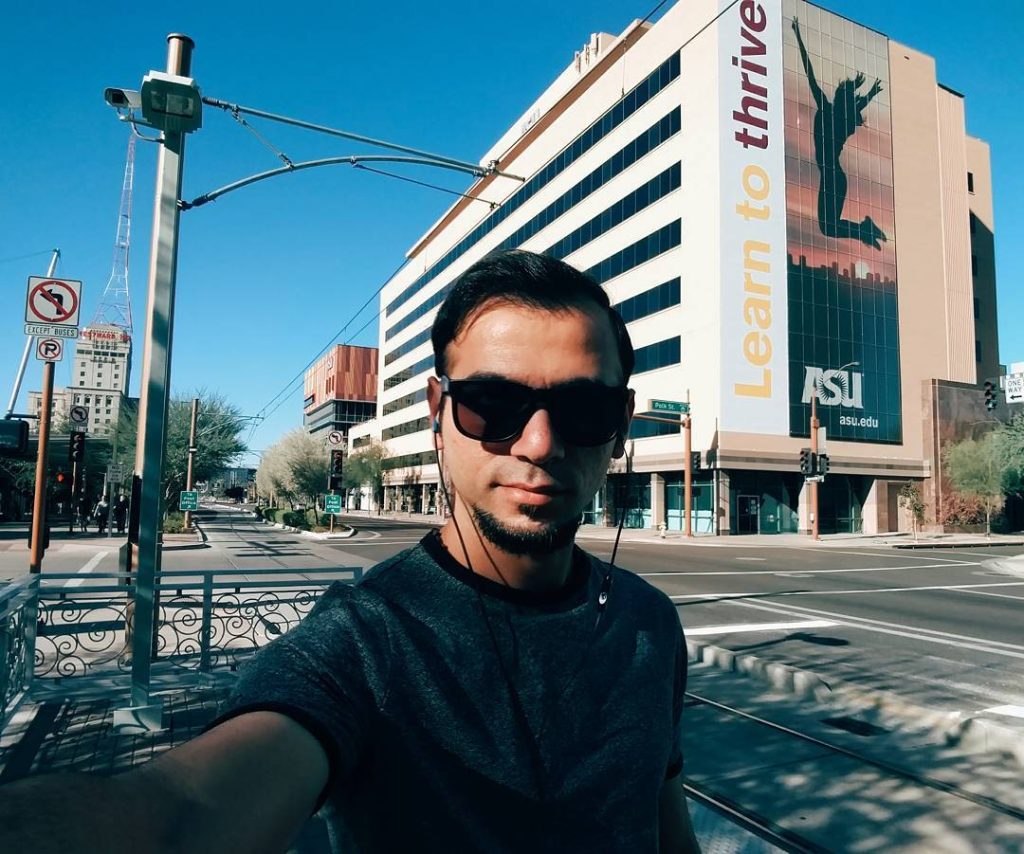
ASU selfie

Arizona State University President Michael Crow recently wrote an op-ed pushing back against the Republic's libertarian/"Goldwater" Institute columnist on funding for higher education. Crow wrote in part:

The Arizona Constitution is clear — public schools will be free and universities will be as close to free as possible. It is also clear in the Constitution that the state will use tax revenue to support the universities and to maintain them. But that’s not where we are today. In 2019, we have evolved to the point where nearly 90 percent of the financial support and maintenance of the university comes from sources other than the state.

And:

ASU is one of the most efficient universities in the country. Yet, with our mission of making tuition affordable and the limited state investment we still have a shortfall of $225 million per year to educate resident students. We subsidize the cost of their education through other means, including out-of-state and international student tuition.

If anything, Crow pulled his punches. Arizona's low funding for universities is a scandal decades in the making, as the Legislature paid for tax cuts in part by continually reducing general fund money for higher ed and slashing funding that was never replaced. This has had a profound effect on hurting the state's competitiveness, as well as its constitutionally mandated promise to in-state students. I'd love to see a lawsuit over this.

But under Crow's leadership, ASU has worked around the Kooks to build an empire.

Block 23, a history

Block 23, a history

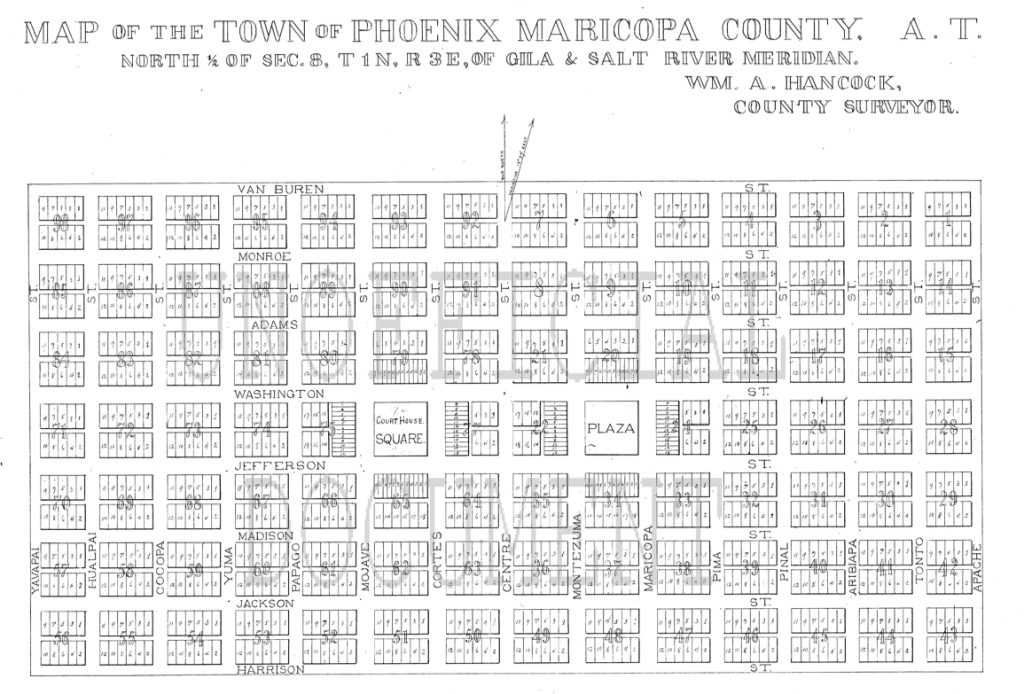
Phoenix_Block_numbers_1881_map
The first downtown Phoenix grocery in decades is scheduled to open in October, part of a mixed-used project that will also include 330 apartments. This will be a major test for the revived central core. I’ve been skeptical as to whether demand exists — Bashas’ passed on the store during the Great Recession — but maybe ASU, more downtown residents, and proximity to light rail (WBIYB) will make the difference. Fry’s is owned by Kroger, which wouldn’t undertake such an enterprise without a good chance of success.

This is located on Block 23 of the original half-mile Phoenix townsite, laid out by William Hancock, one of the town’s most influential citizens and friend of Jack Swilling, in 1870. Two parcels were set aside for public uses. One was Block 76, located between Washington and Jefferson and Cortes and Mohave streets, and Block 23 between Washington and Jefferson and Montezuma and Maricopa streets.

The former was designated for the county courthouse square. Block 23 was labeled “plaza,” for municipal uses. In a turn of the 20th century renaming of streets, Cortes and Mohave became First and Second avenues. Montezuma and Maricopa became First and Second streets. In 1879, some 400 Phoenicians gathered on Block 23 to witness the hanging of two murderers.

Mean streets

Mean streets

Phoenix traffic
I lost a good friend this week. John Bouma, the longtime managing partner of Snell and Wilmer and a towering figure among Phoenix lawyers, was struck and killed by two vehicles in the 7500 block of north Seventh Street. It was night. Maybe he strayed into the street to retrieve a lost item. The investigation is ongoing. He was first hit by a 2017 Toyota Tacoma, which apparently then threw him into the path of a 2017 Jeep Patriot.

Bouma and I had very different politics. But, brought together by the late Jack August, we enjoyed numerous lunches at Durant's talking about Phoenix history. He knew my mother, who worked closely with Mark Wilmer on Arizona v. California, the landmark suit that won Colorado River water. He could also name all the old bars, mob-ridden and otherwise, that once enlivened old Phoenix. As with Jack, I will miss him terribly.

When I posted this on Facebook, including a mention of Phoenix's deadly streets, I was surprised by the people who rushed to blame Bouma and say, essentially, "Nothing to see here, move along." Really? Your hair-trigger, defensive boosterism can't even acknowledge this reality? I shouldn't have been surprised. Social media is no less a cancer than the local-yokel sunny-championship golf denial.

In fact, Phoenix has a major problem with pedestrian injuries and fatalities. According to the Governors Highway Safety Association, Arizona has the highest rate of pedestrian deaths in the nation.

Ten questions about light rail, answered

Ten questions about light rail, answered

PhxLRT2
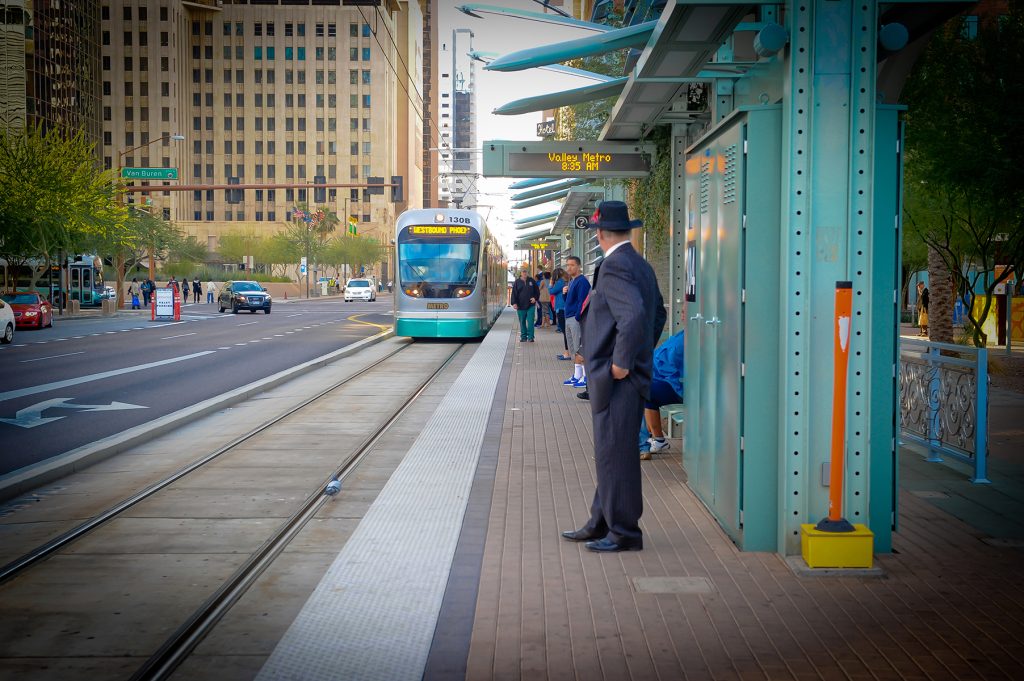
It's the tenth anniversary of the completion of metro Phoenix light rail (WBIYB). I'll have a history of the project in a special insert of the Arizona Capitol Times. In the meantime, some common questions and answers.

1. What decided the route of the starter line? It was a combination of demand, available right-of-way, and cost. The line follows the route of the old Red Line bus, which was at 125 percent of capacity by 2000. This ensured high ridership and a favorable outcome in federal funding (with an invaluable assist from the late Rep. Ed Pastor).

2. Why was it built at grade rather than as a subway or monorail? Cost. While both those modes — especially a subway — would have been preferable to street running, the funding was not available. The federal government once spent heavily for such subways as the D.C. Metro and Atlanta's MARTA (originally meant for Seattle), but that aid largely ended by the 1980s. Monorails also have the problem of controversy about being unsightly to some, although the Skytrain in Vancouver, B.C., part overhead and part subway, is highly successful.

3. Did Mesa almost miss out on light rail? Yes. The most conservative big city in America was especially wary of the project, and the starter line might have ended at McClintock Drive in Tempe. If so, it would have been very expensive to eventually build into Mesa. Mayor Keno Hawker played a leading role in securing city council approval of the line to Sycamore. This set the table for extending light rail deep into downtown Mesa under Mayor Scott Smith (now Valley Metro CEO). With Phoenix, Tempe, and Mesa on board, this helped the metro area rise in the national competition for federal assistance.

Alleys and buses

Alleys and buses

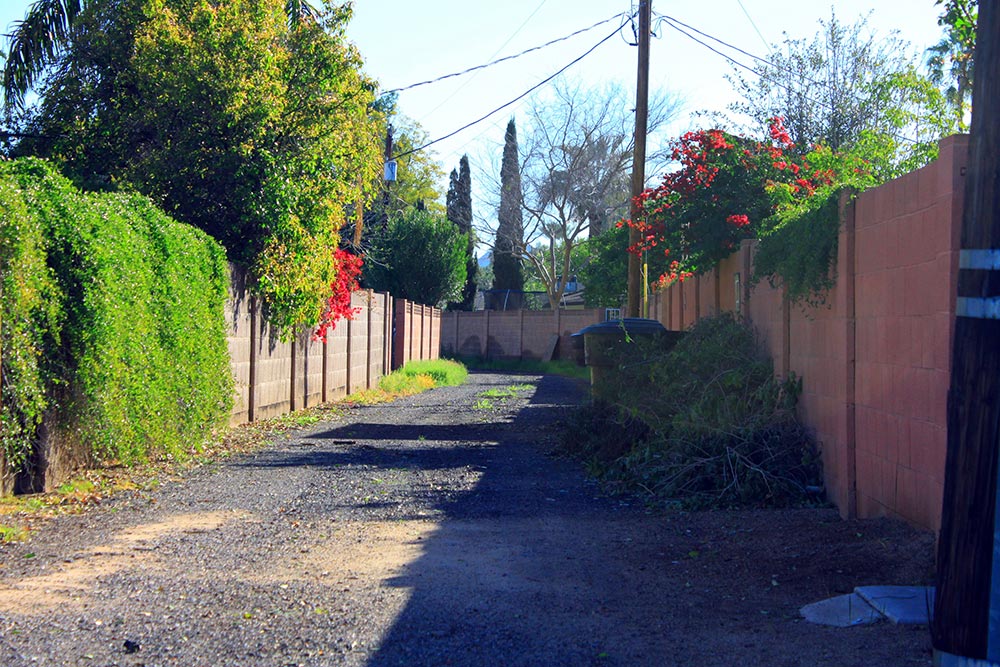
Gated Alley Pilot Program
KJZZ had a story about a pilot program unveiled at 15th Avenue and Butler Drive, making it "the first neighborhood to install gates to close their (sic) alleys to outsiders…designed to prevent criminal activity and illegal dumping."

It was spun as a "celebration," but it made me sad.

Alleys have a colorful history in early Phoenix. Many had names, such as Melinda's Alley and the vice-ridden Paris Alley downtown. As the Phoenix grew, so-called service alleys were part of the cityscape. Trash trucks used them as burly garbagemen heaved the contents of aluminum garbage cans into the back of the vehicles to be crushed and stored (in Scottsdale, it was the Refuse Wranglers). Utility crews employed the alleys for maintenance and meter-reading.

They were a delightful playground growing up in mid-century Phoenix. Alleys were the battlefield for our childhood conflicts: Flinging oranges, dirt clods, and, the highest escalation, rocks at each other. Secondary weapons included spears cut from oleanders. (Don't believe the nonsense about innocent children; of course, today we little boys being little boys would be diagnosed on a "spectrum" and heavily medicated).

I remember one battle where we were hunkered down in a makeshift fort as our opponents hurled rocks at us. One little boy named Harry kept running up within a few feet and throwing a stone into the fort. But I had a Wrist Rocket slingshot and after several close encounters with Harry, he came again, an angelic smile on his face — until I let go a decent-sized pebble into his chest at high velocity. I still feel a little guilty. But we won the rock fight.

The Suns arena dilemma

The Suns arena dilemma

Tallking Stick Arena
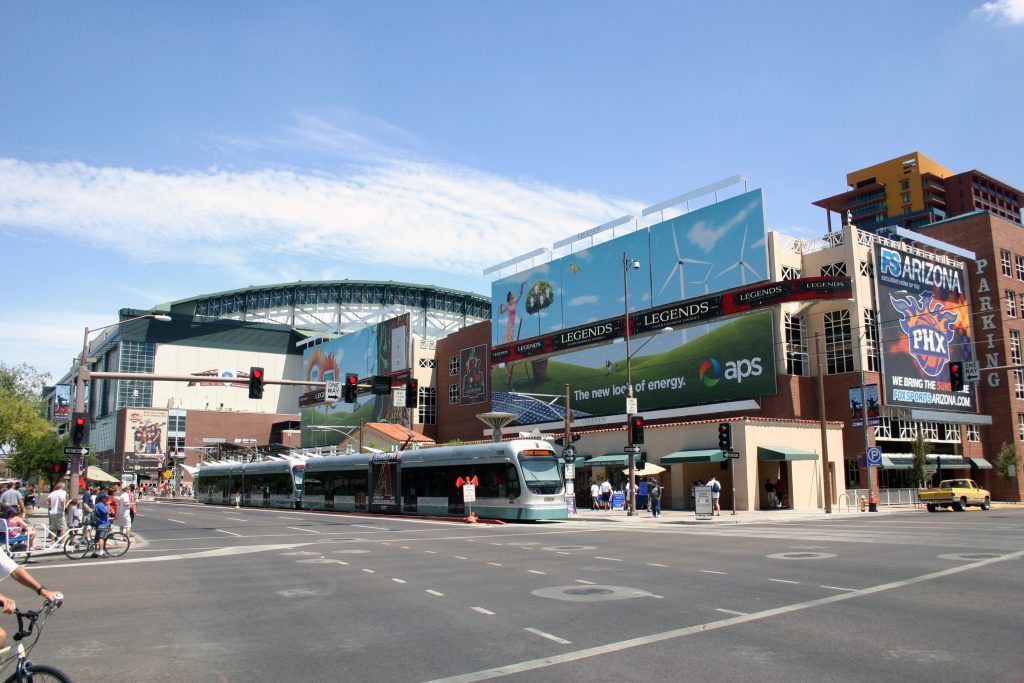
The rump City Council, with a caretaker mayor, seems in no hurry to address Phoenix Suns owner Robert Sarver's demands for a new or significantly remodeled downtown arena. Members are divided. Kate Gallego, facing Daniel Valenzuela in a March mayoral runoff, said, “it is not in Phoenix’s best interest to invest in an arena.” Arizona Republic columnist Laurie Roberts wrote, "taxpayers are about to get hosed if this deal goes through."

Here's the real deal: If Phoenix doesn't invest in the arena, Sarver — who has none of Jerry Colangelo's civic spirit — will move the team to the Rez, renaming it the Arizona Suns, no doubt, or even to Seattle, which is hungry to replace its lost Supersonics. The damage to downtown and light-rail (WBIYB) would be catastrophic. Talk about hosed.

Scholars are united in saying that professional sports arenas are bad public investments. But they are neither fans nor do they live in troubled cities. In an Atlantic magazine article, Rick Paulas writes, "Pro sports teams are bad business deals for cities, and yet, cities continue to fall for them. But municipalities can support local sports without selling out their citizens in the process." Indeed, it's outrageous that taxpayers are shelling out millions for super-rich team owners. They should say no. And this is especially true for robust, normal cities.

But Phoenix is neither.

The next Phoenix mayor

The next Phoenix mayor

Phoenix_City_Hall (1)

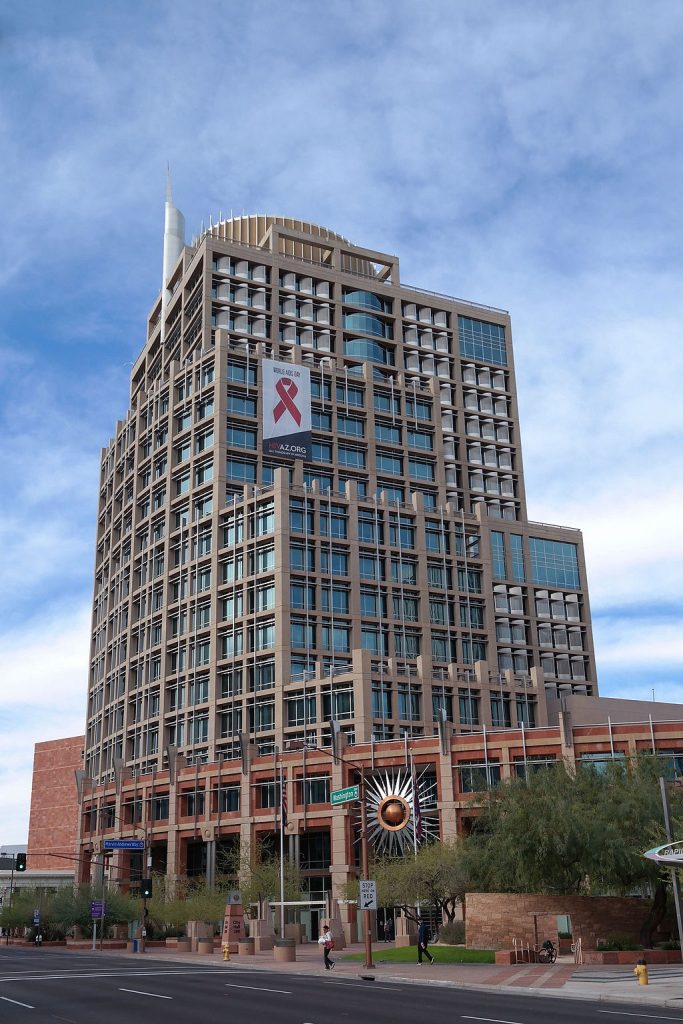
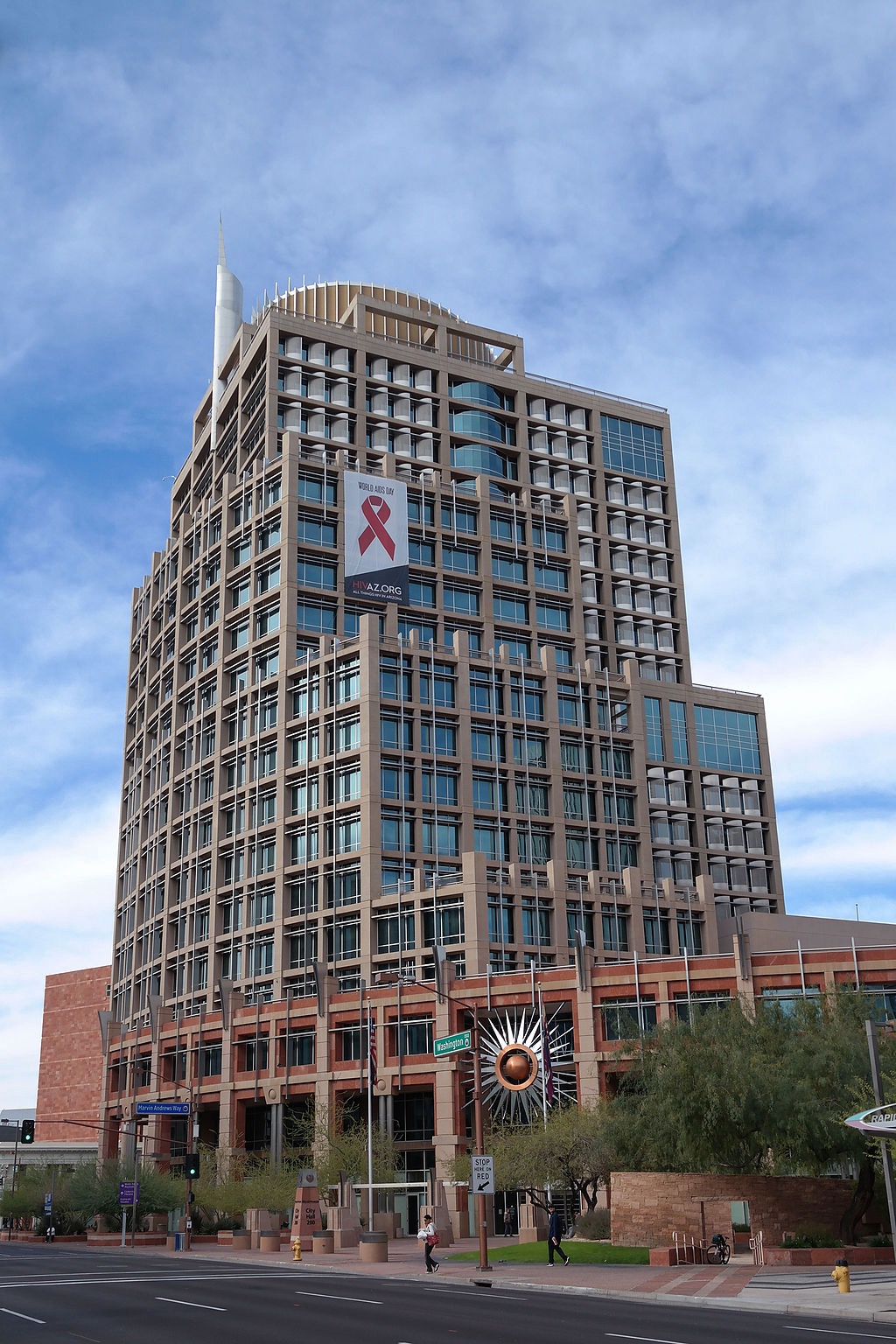
I know that I should have a firm conviction about the mayoral election, but I don't. We can ignore the Republican and Libertarian candidates — their dogmas are totally unsuited to the needs of the nation's fifth-largest city. That leaves Kate Gallego and Daniel Valenzuela.

Both are supported by people I respect. According to the Arizona Republic, Gallego's backers include former U.S. representatives Harry Mitchell, Sam Coppersmith, Ron Barber and Anne Kirkpatrick, as well as former state Attorney General and Phoenix Mayor Terry Goddard. Valenzuela's big names include retired U.S. Rep. Ed Pastor, former Phoenix mayors Paul Johnson, Skip Rimsza and Phil Gordon, councilwomen Laura Pastor and Debra Stark, and business leaders Jerry Colangelo and Sharon Harper.

That makes a choice tough. Gallego may get a tilt in her favor because she represented central Phoenix on City Council. But I'd be interested in what commenters say.

Neither Gallego nor Valenzuela were on the transformative City Council of the 2000s that helped land T-Gen and supported light rail (WBIYB), the downtown ASU campus, Phoenix Convention Center, Sheraton and other civic goods that led to today's downtown revival. 

Brains, trains, and automobiles

Brains, trains, and automobiles

Convention_Center_METRO_South_Station_-_2011-07-11_-_North_West
The biggest local story of the week is the unanimous (!) decision by the Rump City Council to raid funding intended for light-rail extension to Paradise Valley Mall and use it for street maintenance. As disheartening is that, as far as I know, neither major candidate for mayor has spoken out against it.

This comes soon after the Council (6-2) bucked an aggressive astroturf campaign by the Koch interests to kill that south Phoenix light-rail line (yes, the Wichita billionaires are deeply involved in destroying local transit). One step up and one step back. What's going on? A few observations:

The Council has changed from the consensus of the 2000s that brought some of the most constructive measures in decades. These include light rail (WBIYB), the downtown ASU campus, T-Gen and the downtown biomedical campus, and the new convention center. In recent years, the Council is less visionary and more divided — a situation made more difficult by the departure of Mayor Greg Stanton, and mayoral candidates Kate Gallego and Daniel Valenzuela.

Phoenix's size and means are wildly unbalanced. The Arizona Republic reported that city staff estimated that "4,085 of the city's 4,863 miles of streets will fall below a ‘good’ quality level in the next five years and require maintenance. Currently, 3,227 miles are already in fair, poor, or very poor condition. Bringing all of the streets up to a 'good' level in five years would cost $1.6 billion that the city does not have." 

Kooks and Kochs try to derail south Phoenix light rail

Kooks and Kochs try to derail south Phoenix light rail

062
It appears that the six mile light-rail line to south Phoenix is on life support. I say "appears" because much of the reporting on the issue has been inaccurate. The Arizona Republic's Jessica Boehm reported the immediate news correctly, but plenty still needs to be filled in.

If I understand correctly, the City Council — with transit-backers Mayor Greg Stanton gone and Councilmembers Kate Gallego and Daniel Valenzuela set to resign in August to run for the seat — voted to "redesign" the south line along Central Avenue. This is to address a "grassroots" opposition complaining that Central would lose two of four lanes for automobile traffic.

Redesign may well mean death and loss of federal funding, especially with the rump Council after August. Skillful/shameful maneuvering by Councilman Sal DiCiccio, an ardent light-rail opponent, even took hostage City Manager Ed Zuercher, threatening his job and the city budget. This is the shorthand to a very complex moving drama.

It's no secret that the Koch brothers and other dark money groups are working to kill transit projects around the country. The anti-rail fetish on the right has always puzzled me. The "You Bastards" part of WBIYB is intended for them and their thuggish opposition to the starter line. And it's always possible to find a few discontents for a "grassroots" front group. But south Phoenix voters approved this line by 70 percent. If the likes of Better Call Sal prevail, this would be a blunder of historic proportions. For the facts and context, please read on.