Being Number Five

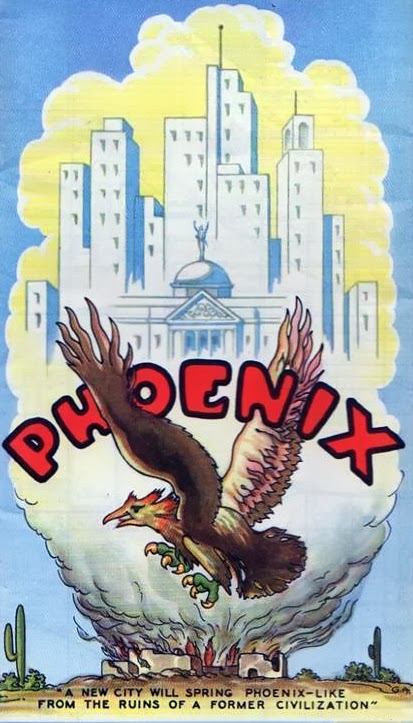
I remember in 2006, when Phoenix passed Philadelphia in a Census estimate to become the nation's fifth most populous city. As a columnist for the Arizona Republic, I accompanied then-Mayor Phil Gordon and a delegation to Philly. The Philadelphians were very gracious. At one event, they talked about visiting Phoenix where City Hall "looked like a building where honest business was being done." The City Hall that the statue of William Penn stands atop had seen its share of big-city corruption. Not knowing Phoenix's abundant history of criminality, they sounded envious.
Even so, it was obvious wandering around Philly, with its great urban bones, energy-filled downtown, corporate headquarters, extensive rail transit and commuter-train system, and world-class cultural and educational institutions, that any comparison with Phoenix was apples to gravel. Still, even though I had begun to assemble powerful enemies writing about the city's reality and pushing verboten projects such as light rail (WBIYB), I felt proud. My hometown was America's fifth-largest city!
You can take the boy out of Phoenix but you can't take Phoenix out of the boy. For much of its existence Phoenix wanted above all to get big. And now it was.
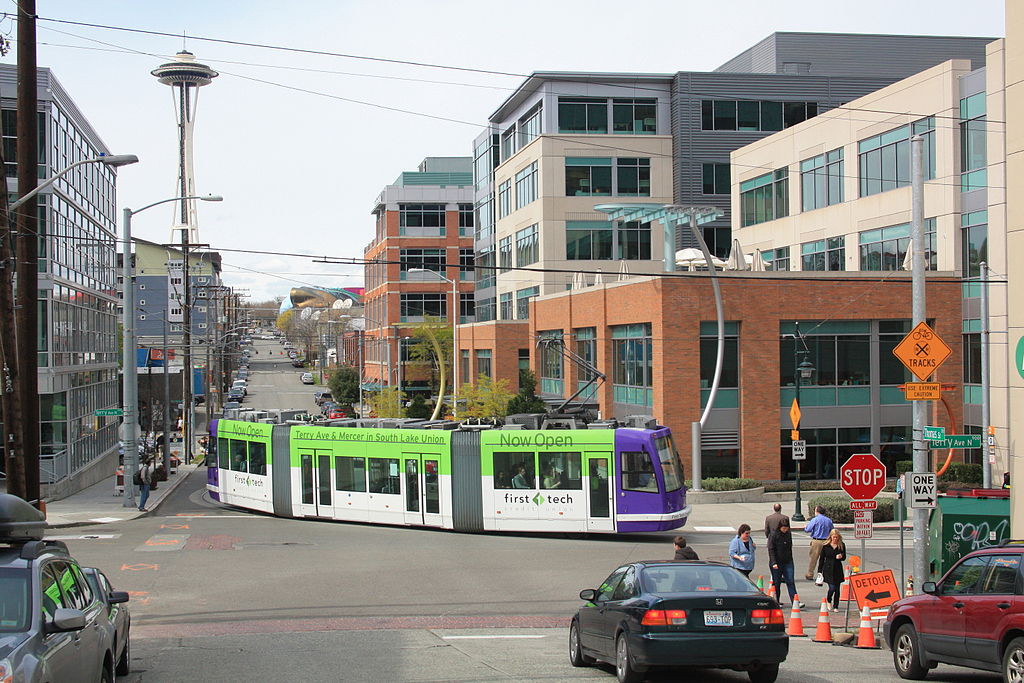
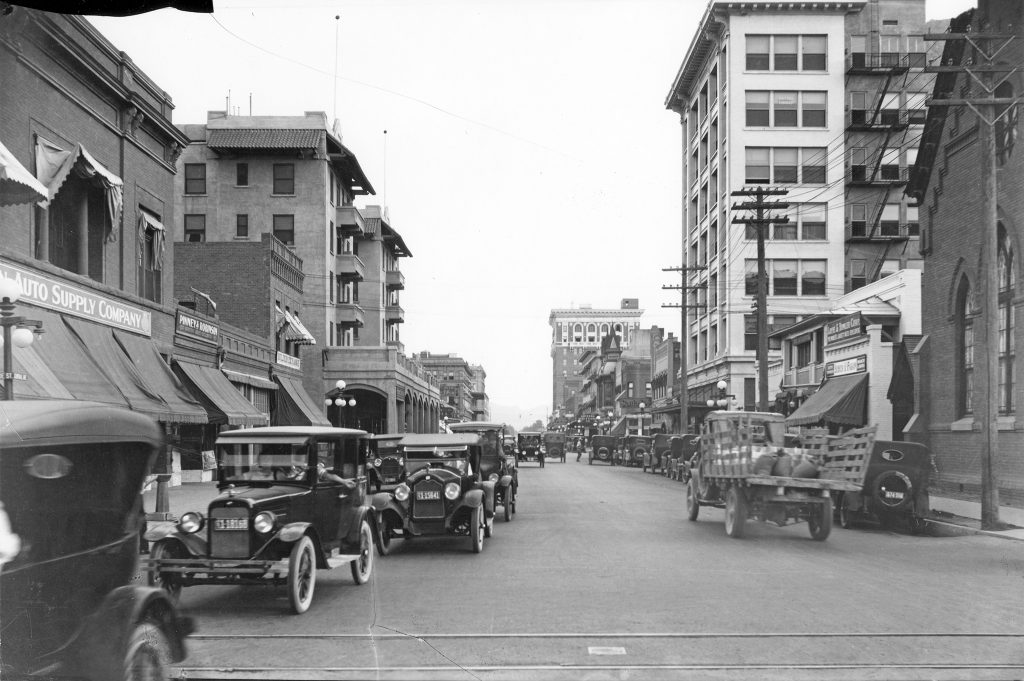
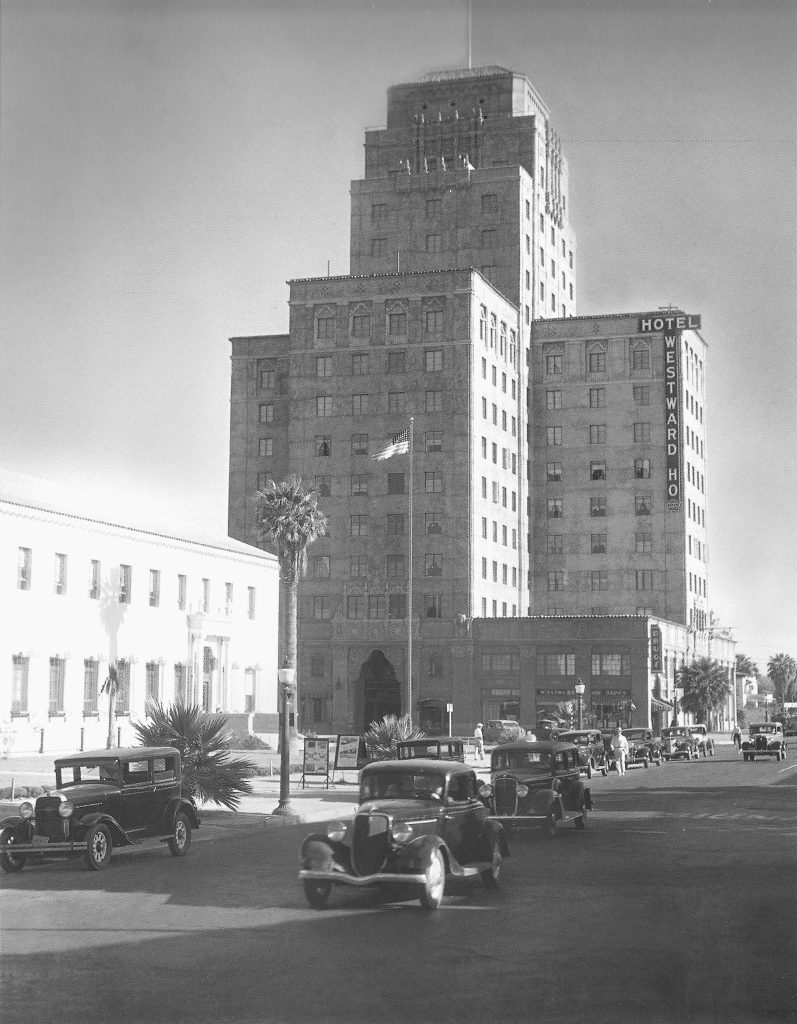
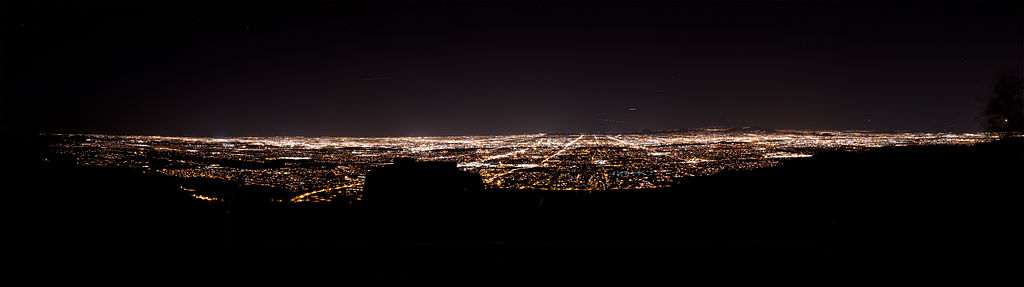
The city fell back to sixth place in the 2010 Census, but with the latest numbers it's back to No. 5, probably to stay. Many dreams and ambitions have been realized over the past near-decade. Downtown is filling in, thanks to the ASU campus. It sports a handsome convention center and new hotels. Roosevelt Row is a destination, not a handful of Resistance members fighting to survive. T-Gen and the biomedical campus are there and growing, although not at the speed I had wished. We built light rail (you bastards) and it will be extended. All this in the face of thuggish opposition by the right and the city's worst economic crisis since the Great Depression.
 40
40