Minds made up

Minds made up

Unnamed

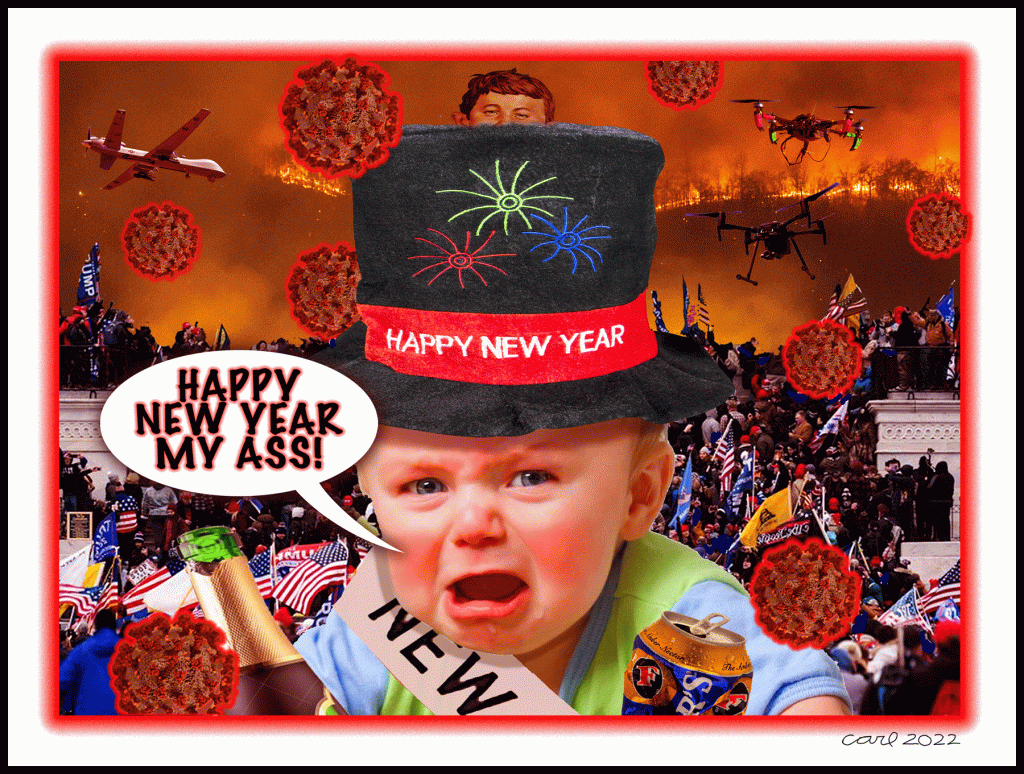
Carl Muecke illustration.

When was the last time you changed your mind? Be honest.

I can think of a few times in my recent life. I was skeptical about human-caused climate change until I read Elizabeth Kolbert's seminal reporting on the subject in 2001. I changed my mind. When I was business editor of the Charlotte Observer, where we covered the major bank consolidations of the 1990s, I had misgivings. About the repeal of Glass-Steagall. But I was convinced the system was secure. When it nearly melted down in the Panic of 2008, I changed my mind. Being raised a Goldwater Republican in Arizona, I adamantly changed my mind in the coming years.

"When the facts change, I change my mind. What do you do, sir?" to use a quote attributed to John Maynard Keynes.

But the evidence on the ground indicated that fewer Americans are willing to change their minds about anything.

More Phoenix in the 1930s

More Phoenix in the 1930s

Phoenix went from Depression to a recovery earlier than most places thanks to abundant New Deal investments. Have a look in the photo time machine (click for a larger image):

Agua_Fria_River_Project_1932
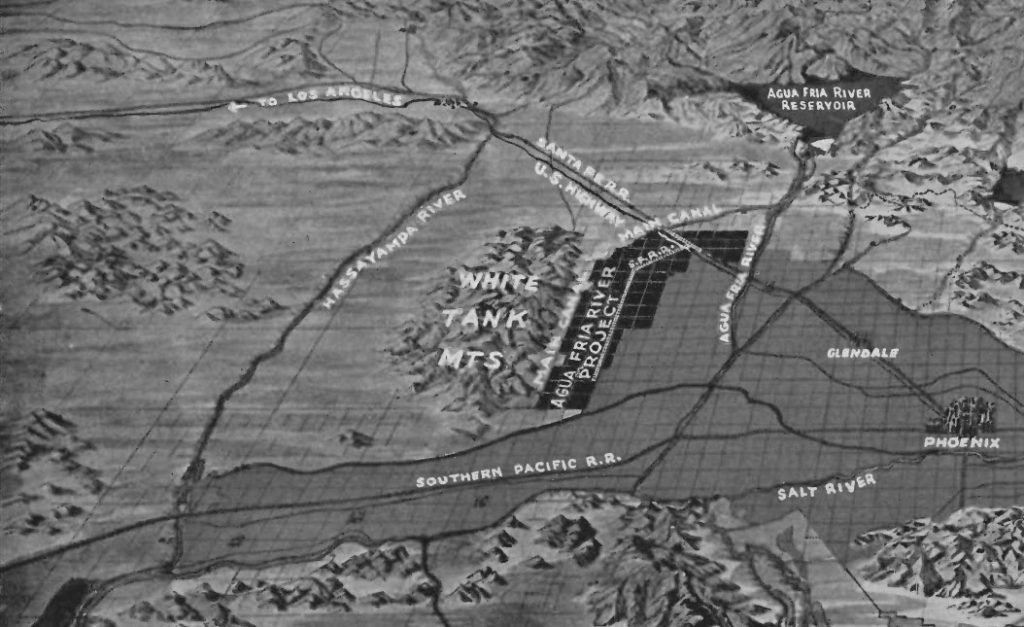
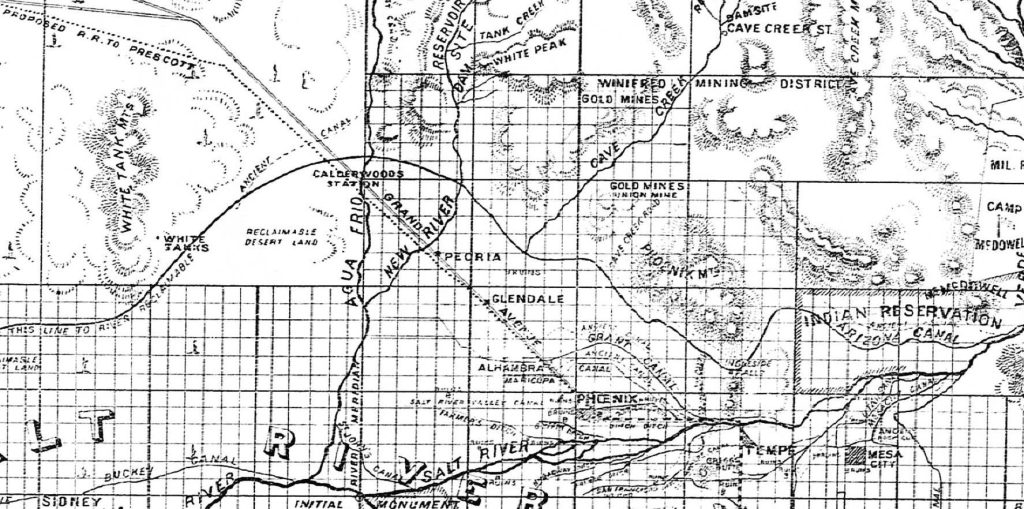
The privately funded Agua Fria River Project, shown in this 1932 map, was derailed by the Great Depression. It sought to bring water to cultivate land all the way to the White Tank Mountains.

Frog Tanks dam 1926

One part of the Agua Fria Project survived as the "Frog Tanks Dam," under construction in 1926. The dam, later the Old Waddell Dam, was located on the Agua Fria River northwest of Phoenix. William Beardsley, a champion of the project, hired civil engineer Carl Pleasant to design the dam. Today, the dam has been replaced by a higher, longer structure that holds back a larger Lake Pleasant as part of the Central Arizona Project (McCulloch Bros.Collection/ASU Archives)

Alhambra_Garage_Seaside_Gasoline_Thomas_Rd_Grand_Ave_1930s(1)

Thomas and Grand Avenue in the 1930s, the Alhambra Garage and a nearby grocery, with a Holsum Bakery truck making a delivery (McCulloch Bros. Collection/ASU Archives).

Boehmers_Cut_Rate_Drugs_Monihon_Building_Washington_1st_Ave_1937

Boehmer's Cut-Rate Drugs in the Monihon Building at First Avenue and Washington Street in 1937. My fictional private investigator Gene Hammons has his office in this location (McCulloch Bros. Collection/ASU Archives).

Not quite blue

Not quite blue

Katie_Hobbs

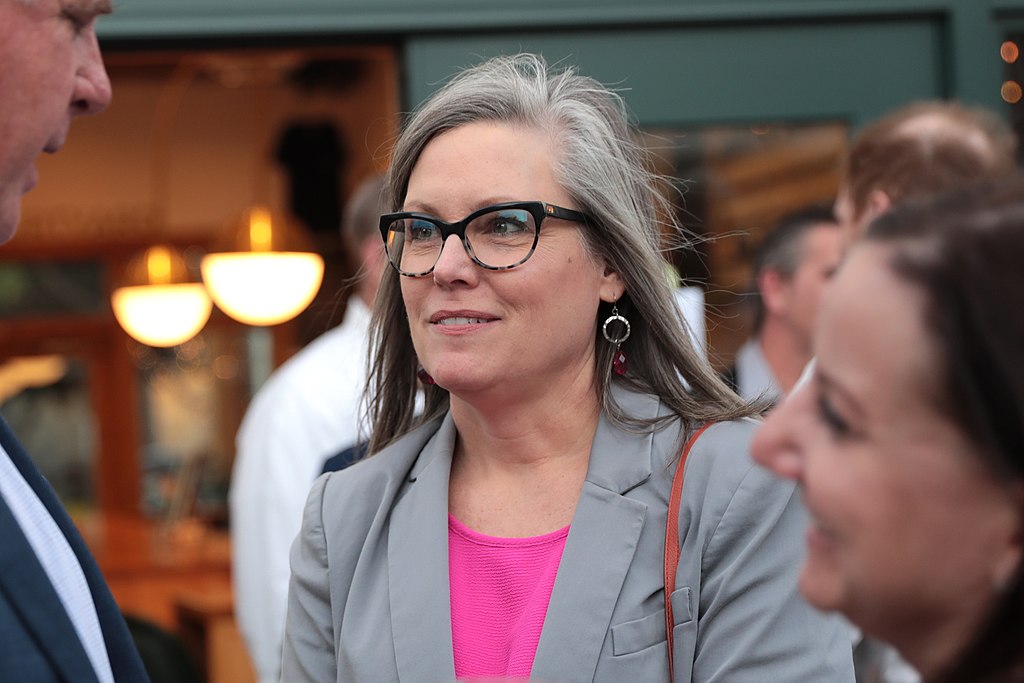
I watched tensely on Monday night as NBC News, CNN, and finally the Associated Press called the Arizona governor’s race, with Katie Hobbs winning over Kari Lake. She will become the first Democratic governor here since Janet Napolitano.

But it was a close run thing, as the Duke of Wellington said of his triumph over Napoleon at Waterloo. Hobbs won by a mere 18,551 votes.

How could this be? Hobbs was Secretary of State, former state representative and state senator, a Phoenix native, very well qualified to be governor. Kari Lake was a former newsreader for the local Fox television station. She has no government or executive experience at all, was Trump anointed, an election denier, spreader of COVID disinformation, claiming President Biden had “a demonic agenda,” and one-time Democrat. She called for putting Hobbs and journalists in jail (sound familiar?). Yet nearly 1.23 million voters were willing to go with her.

The answer lies in Arizona still being a hotspot of the Trump cult — the party of Lincoln, Theodore Roosevelt, Barry Goldwater, Ronald Reagan, and John McCain is dead. Props to McCain for choosing Sarah Palin, a proto-Lake, as his running mate in 2008.


The old High Country

The old High Country

Before land swaps and subdivisions in the pines, before a Super Walmart in Payson and wildfires started by the likes of Valinda Jo Elliott, the Arizona High Country was wild and lightly populated. Click on a photo for a larger image:

Heber_loggers(1)

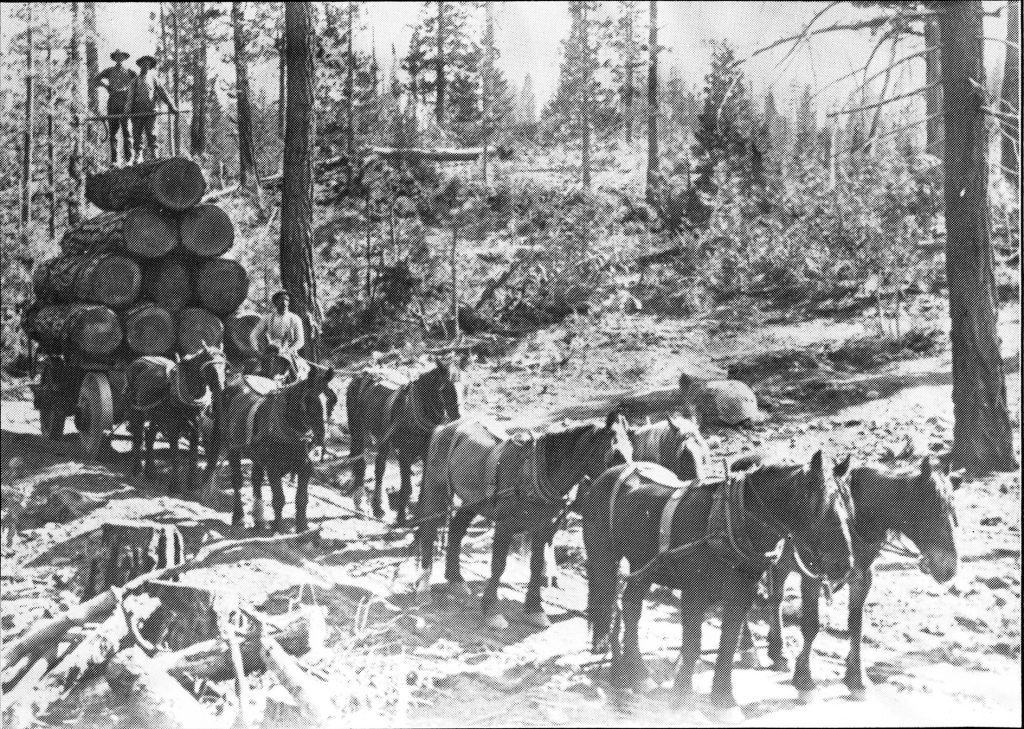
Loggers working between Heber and Overgarrd in the late 19th century.

Pack mules in Payson 1901

Pack mules heading into Payson, 1901 (ASU Archives).

Payson General Store

The Payson General Store (ASU Archives).

Vote like your life depends on it

Vote like your life depends on it

IMG-0518

Carl Muecke illustration.

Because of Typepad problems I am late in posting this urgent plea.

Vote like your life depends on it. Don't believe the polls. Some are fake. All risk dampening Democratic turnout.

Vote like your life depends on it. If Republicans win one or both Houses of Congress next week, you won't recognize this country next year.

Vote like your life depends on it because today’s GOP is a radical nihilistic cult worshipping Donald Trump. Its the party of Ginni Thomas, Marjorie Taylor Greene, Ron DeSantis, Herschel Walker…of election deniers, those who would dismantle the safety net, privatize Social Security, switch Medicare to inadequate vouchers, and abandon Ukraine.

Vote like your life depends on it because there are no moderate Republicans.

Blog troubles

Typepad, which hosts Rogue Columnist, spent the weekend switching over to a different system. As a result, the blog was unavailable for most of that time. Now it's up but…
Living with drought

Living with drought

1440px-Colorado_River_above_Hoover_Dam_-_panoramio
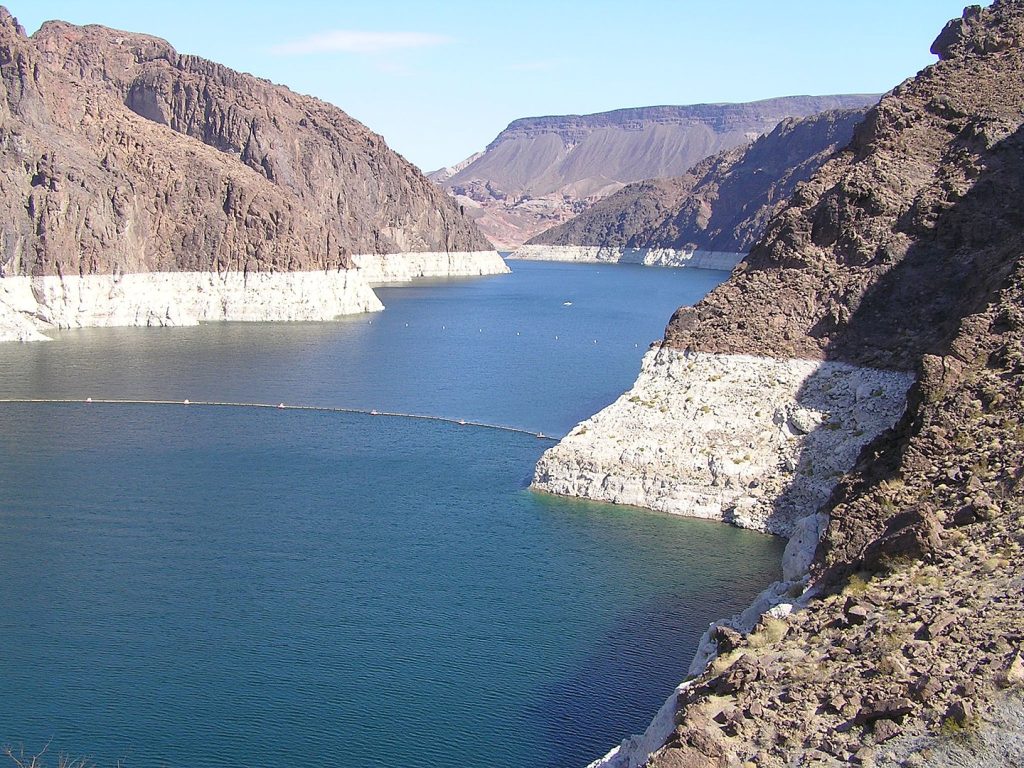
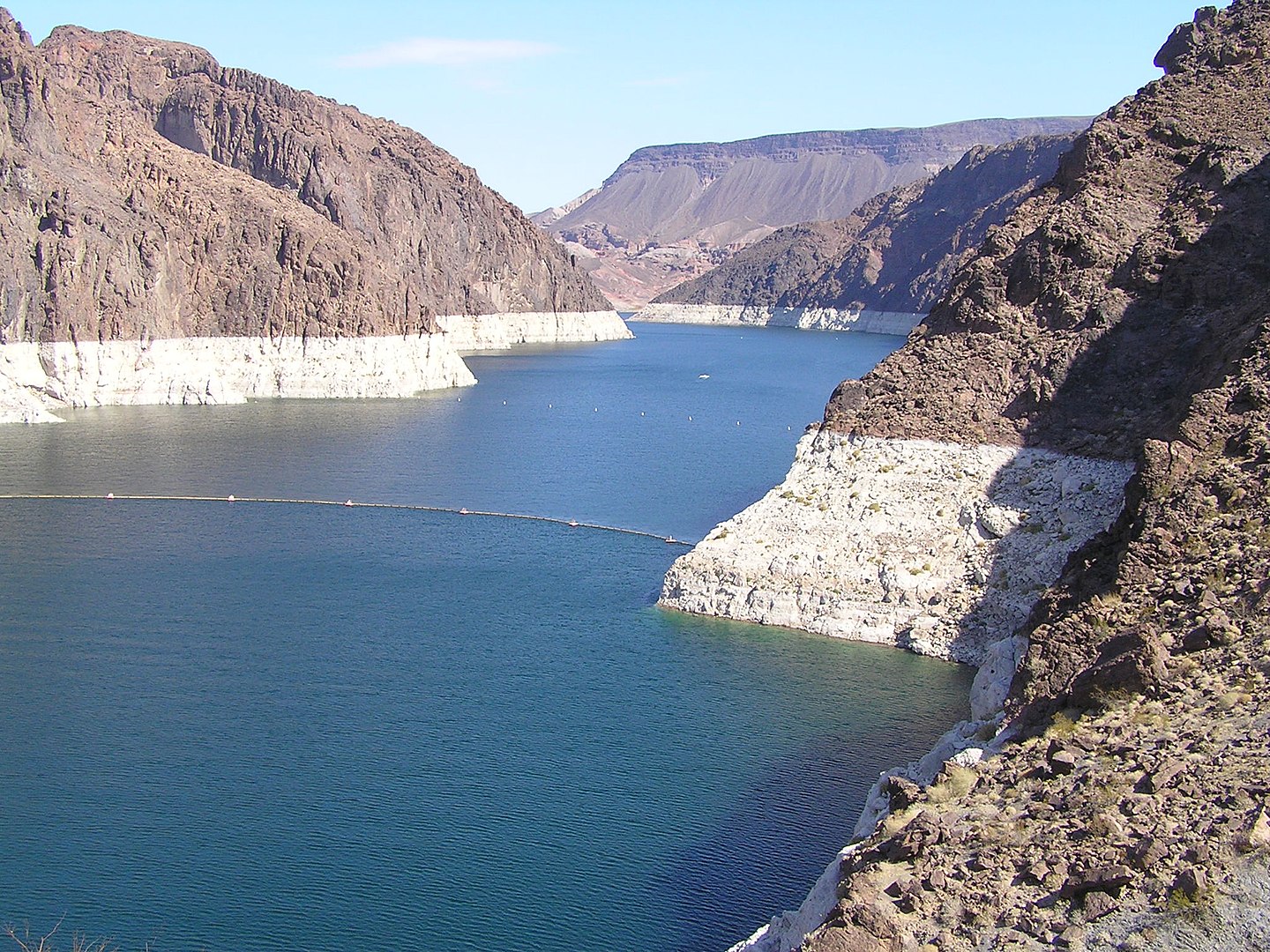
My new Gene Hammons Novel (a mystery due out in the next year or two) is set in 1936. In my research, I found that much of the Midwest and South suffered from a terrible drought, which claimed thousands of lives (separate from the Dust Bowl). But Arizona had plenty of rain that year — temperatures were also lower than today — and Phoenix was protected by the dams and reservoirs on the Salt River. And therein lies a tale.

 The population of Arizona was around 443,000 — fewer than live in today's Mesa. Phoenix clocked in at 55,000 or do, double that for the metropolitan area (remember, the city then was only around 17 square miles). Had today's mega-drought hit then, Phoenix would have been fine. Even with climate change.

But population growth has long been the primary driver of Phoenix's leadership. On the flag of the Arizona Republic in 1936 was a bug headlined "How Phoenix Grows!" listing population increases and building permits (The "flag" is the name of the paper atop the front page; the "masthead" lists the newspapers leadership, typically on the editorial page). So as of 2020, Arizona's population is 7.2 million, with Phoenix the nation's fifth most populous city — though far from No. 5 in other measures of quality and influence.

Russell Lee’s Arizona

Russell Lee’s Arizona

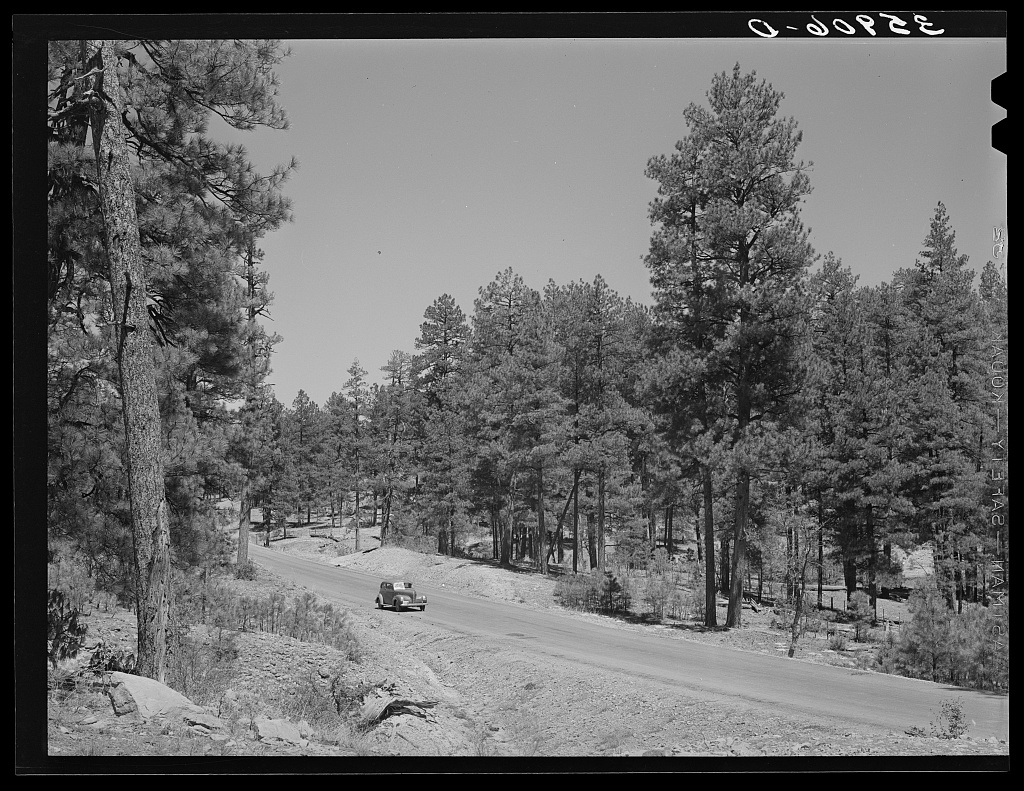
Russell Lee (1903-1986) is a photojournalist best known for his work with the New Deal's Farm Security Administration. Some of his work documenting Depression-era Phoenix is iconic. He also worked around Arizona circa 1939-40. Here's a sample from the Library of Congress:

Apache National Forest

An unknown location in the Apache National Forest in far eastern Arizona.

Bird Cage Theater Tombstone

The Bird Cage Theater in Tombstone.

Tombstone Epitaph

Office of the Tombstone Epitaph. It is the oldest continually published newspaper in Arizona.

Bisbee main street

Main Street in Bisbee.

What did I miss?

What did I miss?

IMG-8739

Carl Muecke illustration

Thanks for your patience. The novel is now completed and will be soon sent to the publisher. A few quick thoughts:

• It's astounding that the former local Fox newsreader Kari "Trump in a Dress" Lake stands a good chance of becoming Arizona's next governor. Or not. I've been skeptical of Arizona becoming a purple, much less blue state. For one thing, the GOP-controlled Legislature passed voter suppression laws, as I warned. And Hispanics are not a monolithic voting bloc. They don't want police defunded. Many are suspicious of woke Democratic virtue posturing.

• It's astounding that Republicans — the Party that Broke America with the Iraq war, Great Recession, and Trump — remain not only relevant but favored to win control of one or both houses of Congress. Trump could win the presidency again, in our last election. When Herbert Hoover and the GOP were blamed for the Great Depression (where I've been living writing the second Gene Hammons novel), the Republicans didn't win the White House for 20 years, and then under the moderate Ike. Not now.

• Similar astounding that Trump and his enablers have faced no consequences for the January 6th attack on the U.S. Capitol. Lake is an election denier.

Read on about this blog and its future:


Book break

I hate to do this, but with a deadline looming for my next novel I'm stepping away from Rogue Columnist until at least November. The exception might be if major…
Death and life of Sunbelt cities

Death and life of Sunbelt cities

Downtown Phoenix 2020
 
By Soleri
Guest Columnist
 
I hadn't been to Phoenix in several years, so my trip a couple of weeks ago was animated as much by curiosity as it was the desire to see old friends. I did know the city had more than recovered from the previous housing crash. Indeed, it was booming again. A dozen years ago, I predicted Phoenix would never recover from the crash. I don't like eating crow but if it's the sole item on the menu, so be it.
 
Much of what I did see made that crow taste better. Phoenix looked much healthier than when I moved to Portland in 2013.  The downtown had filled in with new high-rise apartment buildings and crowded clubs. The activity at night, in particular, was heartening to see.
 
What I didn't see were the thousands of "unhoused" mentally ill drug addicts who have turned much of Portland into a dystopian hellscape. Yes, street people were on the sidewalks of downtown Phoenix, but without the trash, tents, and drug paraphernalia that have so deeply damaged Portland. Phoenix is relatively litter-free and unmarred by graffiti.
 
Maybe it's the weather, or maybe it's because its political center of gravity is simply not in far-left field.

Grand Avenue

Grand Avenue

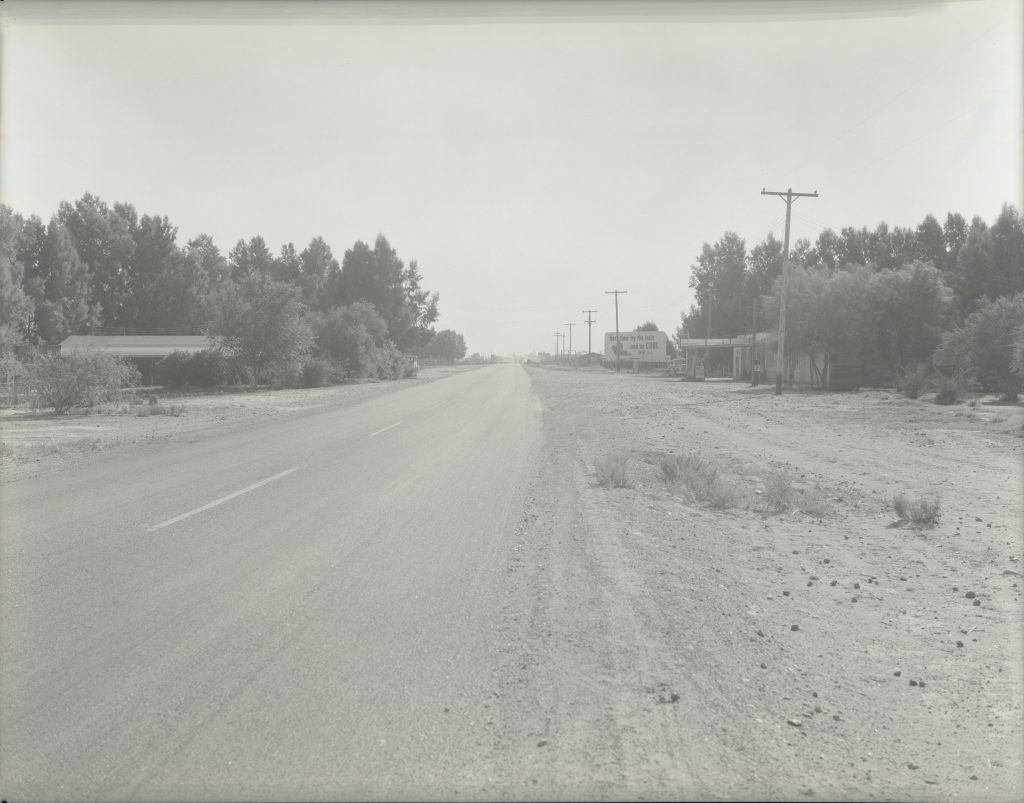
Grand Avenue never lived up to its splendid name. It continued as U.S. 60 from Van Buren Street northwest, picking up the companion Santa Fe Railway at 19th Avenue on the way to Wickenburg and eventually — in pre-Interstate days — to Los Angeles. Let's take a tour through the years. Click a photo for a larger image.

SaltRiverValleyMap_1892

In 1892, this map shows Grand Avenue running to Glendale, Peoria, and beyond.

Map_Phoenix_1915

This 1915 map shows how Grand was the only street to break the ordinary street grid of Phoenix.

Joseph_Johns_Grocery_1007_Grand_Ave_Holsum_ad_1920s(1)

Narrow and under a shade canopy, here's Grand Avenue in the 1920s. Joseph John's Grocery at 1007 Grand (McCulloch Brothers Collection/ASU Archives).

Grand Avenue at the corner of Lateral 4 near Thomas Rd.

Grand near Lateral 4 near Thomas Road, looking southeast, in the 1930s (McCulloch Brothers Collection/ASU Archives).

Alhambra_Garage_Seaside_Gasoline_Thomas_Rd_Grand_Ave_1930s(1)

Another view of Grand and Thomas, circa 1930 (McCulloch Brothers Collection/ASU Archives).

Grand_Ave_Thomas_looking_northwest_1940s(1)

The same location looking northwest in the 1940s (McCulloch Brothers Collection/ASU Archives).

More Valley towns

More Valley towns

Another look at some of the distinct towns and villages of the Salt River Valley before the blob of sprawl consumed them. Click on a photo for a larger image:

Avondale:

Avondale street scene 1946

Avondale street scene, 1946 (McCulloch Bros. Collection/ASU Archives).

Avondale_Market_Schneider_Drugs_12_E_Western_Central_Western_1945(1)

Avondale Market and Schneider Drugs, 1945 (McCulloch Bros. Collection/ASU Archives).

Schneiders_ Drug_Store_12_E_Western_Western_Central_Avondale_1945(1)

Another view of Schneider Drugs, 1945 (McCulloch Bros. Collection/ASU Archives).

Avondale_Grocery_Coldwater_Grocery_Store_Central_Western_1940s(1)

Coldwater Drug Store featuring Phoenix's famous Donofrio's ice cream in the 1940s (Brad Hall collection).

Avondale SP depot

The Avondale Southern Pacific depot, circa 1926 (Arizona Archives Online).
 

Buckeye:

Buckeye 1930s

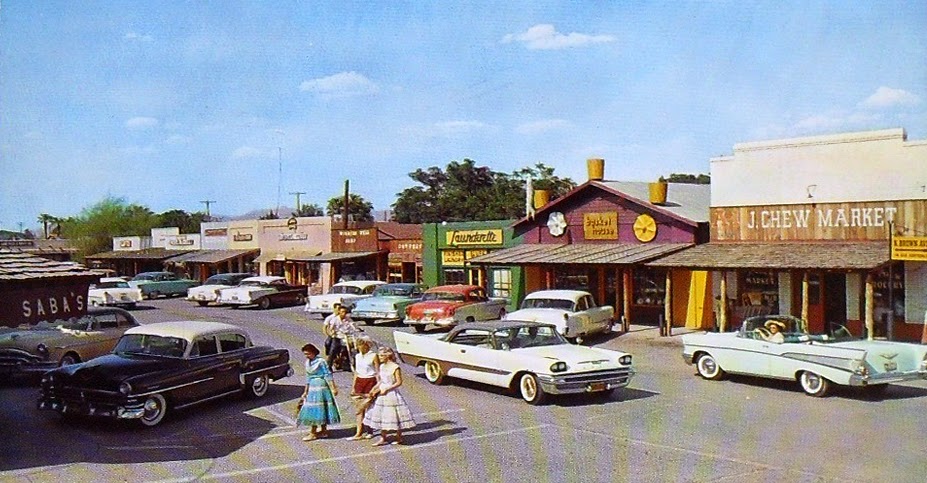
Downtown Buckeye in the 1920s. Founded in 1888, it was originally named Sidney after the hometown of settler Malie Jackson. It was changed to Buckeye to honor his home state of Ohio (McCulloch Bros. Collection/ASU Archives).

Buckeye depot

Buckeye's Southern Pacific depot in an undated photo. The platform is for unloading boxcars. In 1926, completion of the SP Northern Main Line placed Buckeye on a transcontinental railroad.

1327px-Buckeye _Maricopa_County _Arizona._Private_auto_camp_for_cotton_pickers _camp_manager's_store_in_for_._._._-_NARA_-_522538

Depression-era housing for cotton pickers in Buckeye.

1756px-Buckeye-Buckeye_Union_High_School_A-Wing-1

Buckeye Union High School, built at Buckeye High School, built in 1921.

When Scottsdale was real

When Scottsdale was real

After I finished grade school at Kenilworth north of downtown Phoenix, we moved to Scottsdale (population 68,000) so I could attend Coronado High School. My mother was alarmed by news that a gang of teenagers had kicked a West High student nearly to death. I lucked out, going four years and graduating from one of the nation's best public secondary schools, with a superb fine arts program and academics. And I got to see Scottsdale before it became so rich and big and fake, Silicone Valley with its plastic surgery and a city limits reaching all the way to the Tonto National Forest.

Here's how "the West's Most Western Town" was in those decades. Most of the gallery is thanks to Brad Hall's collection. Click on a photo for a larger image:

Brown_Ave_Scottsdale_1950s

Brown Avenue in the 1950s. Scottsdale's population was a little more than 2,000 in 1950 (Photographer unknown).

Lulu_Belle_Main_Scottsdale_Rd_1950s(1)

The Lulu Belle at Scottsdale Road and Main Streets (Photographer unknown).

Main_Street_Scottsdale_1950s(1)

Main Street in the 1950s. It was much the same in the 1970s (Photographers unknown):

Fiffth Avenue 1970s

Year of living dangerously

Year of living dangerously

IMG-6607

Illustration by Carl Muecke

Everything that's good is at risk. Everything bad spreads and gets worse. 

It's difficult to avoid that conclusion, from my personal experience to the nation and the world. In Phoenix, Central Methodist Church — the "Mother of Arizona Methodism" for all the other congregations it established — is now just "Central Church." First it took away such comforting staples as the Apostles Creed, then ran out  the choir and excellent music program, shut the inspiring sanctuary and eliminated the traditional service with the glorious hymns — and has only a contemporary "Jesus, Java, and Jazz" service. I know all you smart agnostic and atheist readers don't care. I do.

The city keeps throwing down gravel and pavement, gutting shade trees, landscaping, and grass. It's ahistorical in the natural oasis of central Phoenix and adds to the deadly heat island. Newcomers lecture me that "we live in a desert" and "there's a drought." They don't care that investments in natural cooling such as shade trees keeps that water away from being wasted on more sprawl. I do.

And little indicates it will change in 2022. It will get worse. This is how we live now.