The art of American Eden

The art of American Eden

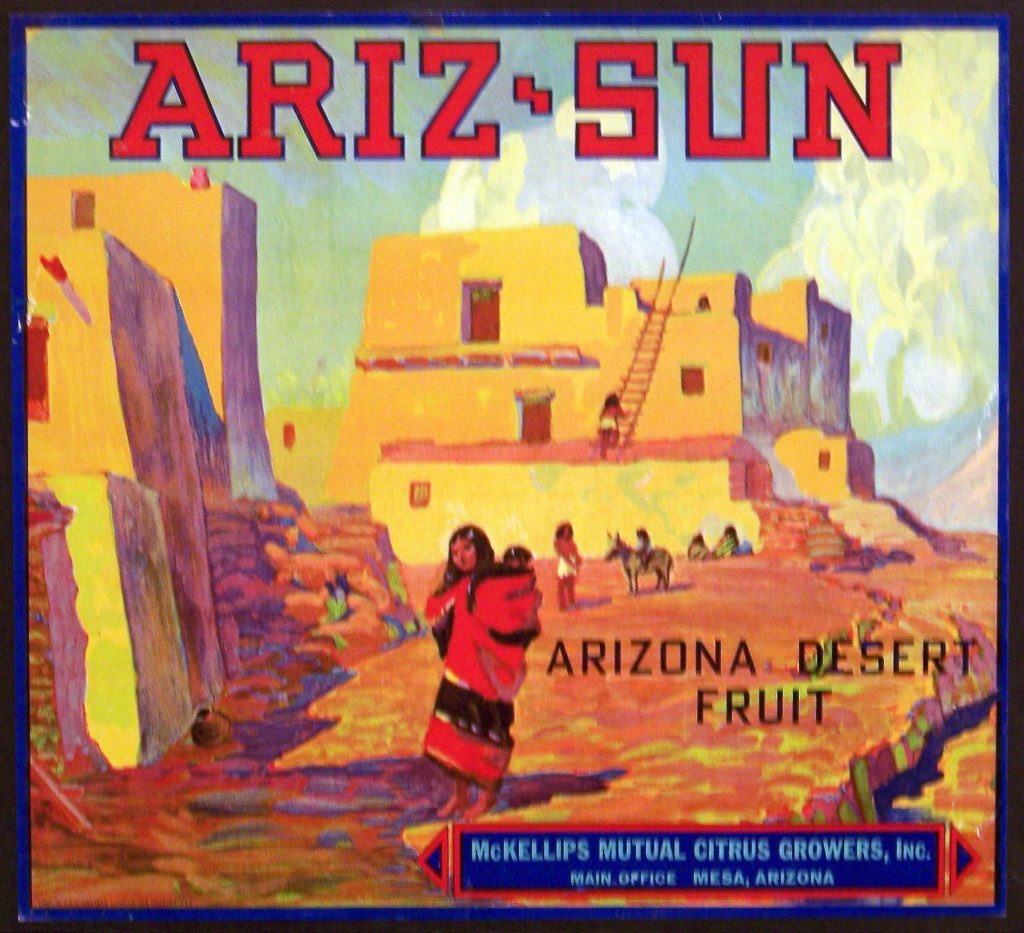
In the first half of the 20th century, the produce of the Salt River Valley traveled to customers in the east via refrigerated boxcars (reefers), iced before they left the Warehouse District packing houses and others in Glendale and Peoria, and along the route. But the wooden crates and later cardboard boxes were decorated with vivid illustrations that advertised the produce — and created a distinct art form. Almost all were done by anonymous artists.

Here is a sample. Click for a larger image:

Ariz Sun 1936

ArizGlo

A Christmas letter

A Christmas letter

IMG-6308

Illustrations by Carl Muecke

Here we are, hurtling toward a Democratic shellacking in 2022. And based on the voter suppression laws being passed by Republican-controlled legislatures around the country, they may never be in power again. For example, the Arizona Legislature has stripped the Secretary of State of the ability to certify elections. Now the Legislature itself will decide electors — here comes Trump in 2024.

IMG-6335Electoral success depends on quick results by the Democrats, not only on infrastructure (which Trump never delivered) but also rebuilding the social-safety net and addressing climate change. Instead, the monstrous Sen. Joe Manchin has torpedoed much of President Biden's agenda. West Virginia is among the poorest states in the nation. It one of the biggest beneficiaries of Biden's Build Back Better programs, but no. Manchin revels in being essentially shadow president. The razor-thin Senate Democratic majority that leaves so much power in the hands of Manchin and Arizona's Sen. Kyrsten Sinema. Both should be Republicans for the damage they did. They are anything but centrists. But let's not forget the Democrat's self-inflicted wounds.

These are nicely encapsulated on Andrew Sullivan's Substack column. (It's well worth a subscription). Here's some of the salient points Sullivan makes:

More early Phoenix 3

More early Phoenix 3

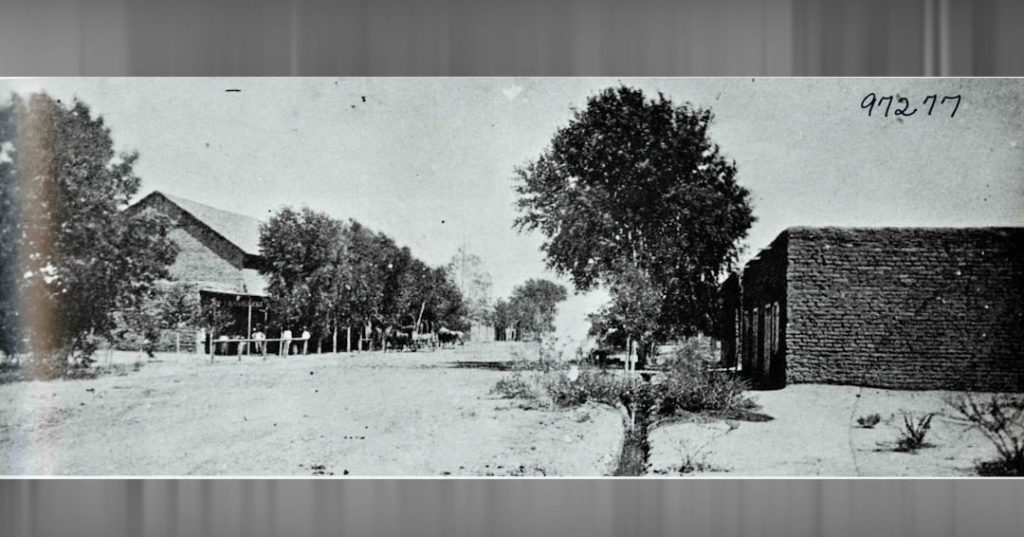
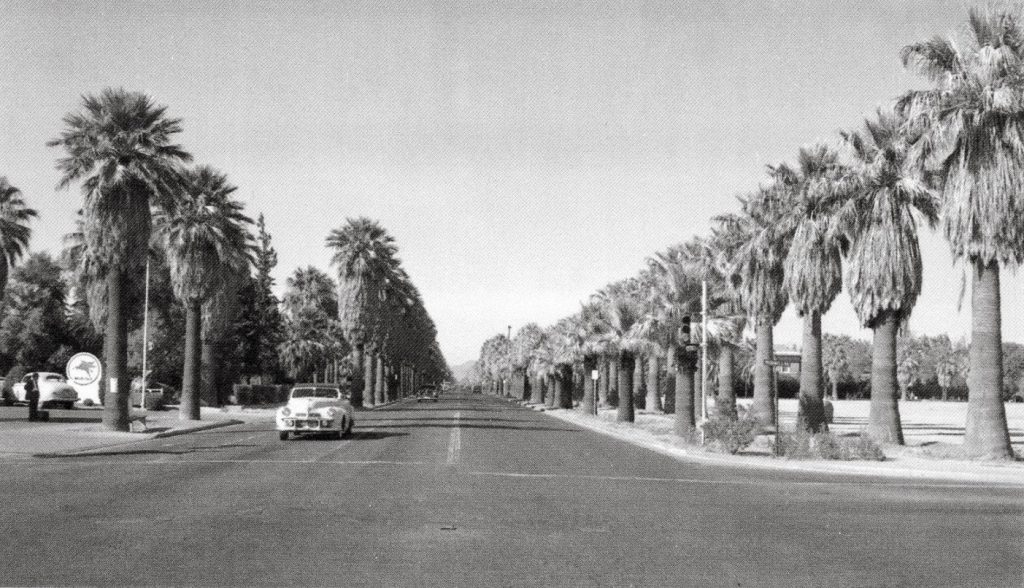
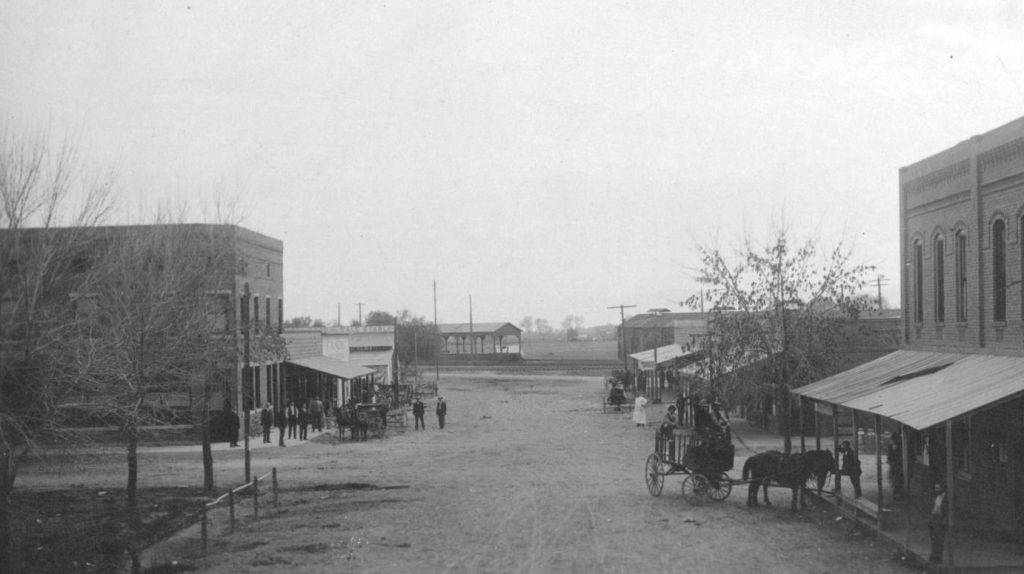
Phoenix grew from 270 people in 1870 to 11,314 in 1910. Here's a gallery of our town before statehood. Most are from the Library of Congress or Brad Hall. Click on a photo for a larger image:

Phoenix 1870s

Phoenix in the 1870s. Lots of shade trees and not a palo verde in sight.

12-mule teams 1st and Jefferson 1880s

Twelve mule-team freight haulers at Montezuma Street (First Street) and Jefferson in 1880, before the railroads arrived. Look at all the shade trees.

2nd St and Jeff 10-mule team freighter 1880s

Another view of how goods were delivered. This is at Maricopa Street (Second Street) and Jefferson.

Capitol_construction_1889

The territorial capitol under construction in 1898.

Capitol_territorial_1901(1)

And completed in 1901.

Adams_east_of_Central_looking_southwest_Hannys_1890s

Adams Street east of Center, looking southeast circa 1890. It's near the future site of Switzers and Hanny's.

1st_St_Monroe_looking_northeast_Melindas_Alley_1890s

Looking northeast up Melinda's Alley near Mojave Street (First Avenue) and Monroe in the 1890s.

The Interstate 11 boondoggle

The Interstate 11 boondoggle

0001
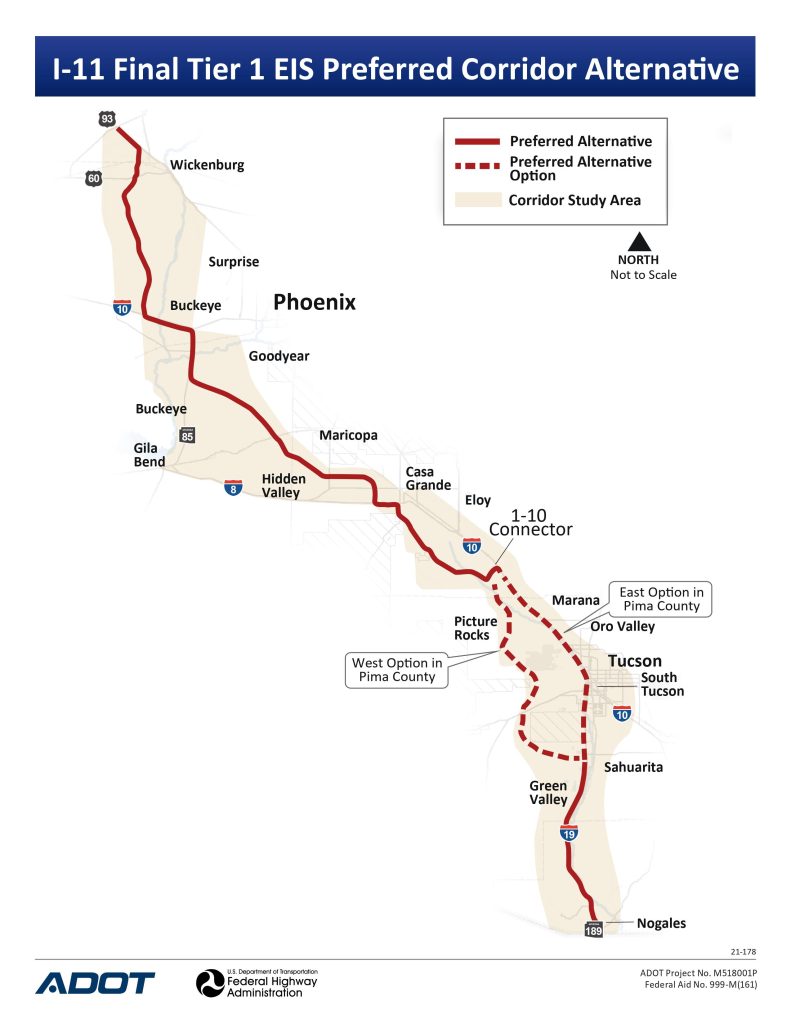
I don't know why they call the agency the Arizona Department of Transportation. It's the highway department, it's historic name. All it does is plan, build, expand, and maintain highways. No trains – Phoenix is the largest city in North America without intercity passenger rail. No commuter rail or light rail or transit. ADOT is all about highways. Behold its new creation.

Interstate 11 is planned to eventually run from Nogales to Reno, cutting the above swath through hundreds of miles of virgin desert as it winds to the west of Phoenix. I-11 could cost as much as $10 billion to build from Phoenix to Las Vegas alone. But this doesn’t include externalities: Air pollution, emissions that worsen climate change, loss of desert habitat, bladed desert plants, including increasingly vulnerable saguaros.

Kristen Mosbrucker in New Times reported on how the route will benefit Mike Ingram's holdings in Maricopa, as well as Douglas Ranch, acquired for $600 million by the Howard Hughes Corp. with Ingram and Jerry Colangelo as partners. Without freeways, this is worthless empty desert north and west of the White Tanks. With I-11, a goldmine — even though gold mines of the West play out quickly.

USS Arizona

USS Arizona

USS_Arizona_(BB-39)_1930 after moderniz
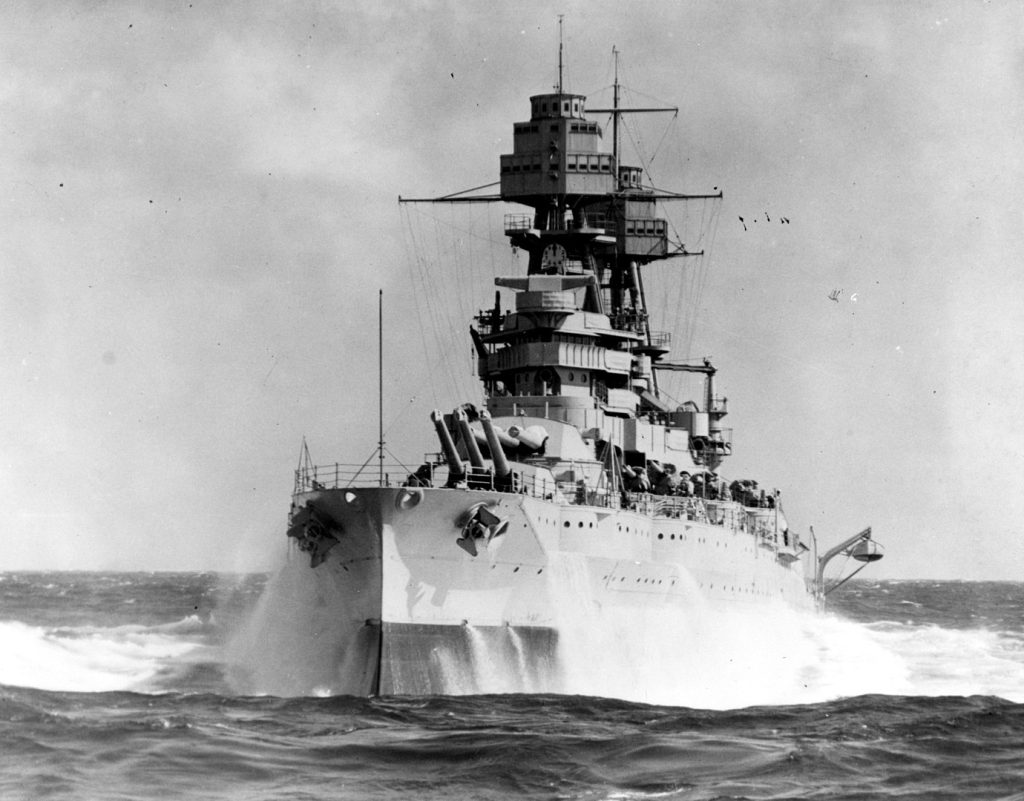
Arizona had barely been in the union for two years when the keel was laid on battleship 39 (BB-39) at the Brooklyn Navy Yard, named after the 48th state. In attendance was Assistant Secretary of the Navy Franklin D. Roosevelt.

Battleships were the premier capital ships of any navy and had been revolutionized by the 1906 launch of the Royal Navy's HMS Dreadnought, the first all-big-gun ship. It lost the smaller-caliber weapons of its predecessors in favor of batteries of deadly 12-inch guns that could hurl shells for miles. The ship took its name from Queen Elizabeth I's saying, "I will trust in God and dread nought." This gave the name to all classes of future battleships.

Arizona, according to the New York Times, would be "the world's biggest and most powerful, both offensively and defensively, superdreadnought ever constructed." It was armed with three batteries of three 14-inch big guns each, with a range of 12 miles. The armor belt at its widest (made by Krupp) measured 13.5 inches; the deck was also armored. She was 608 feet long and displaced nearly 30,000 tons, becoming at the time the largest ship in the fleet (today’s new Gerald R. Ford carrier is 100,000 tons and more than 1,000 feet long).

Arizona was launched in 15 months with 75,000 people in attendance, including the state's governor, George W.P. Hunt. Esther Ross of Prescott christened her with two bottles, one of sparking wine and another of water from Theodore Roosevelt Lake (the state had recently passed prohibition).

Phoenix’s architectural icons

Phoenix’s architectural icons

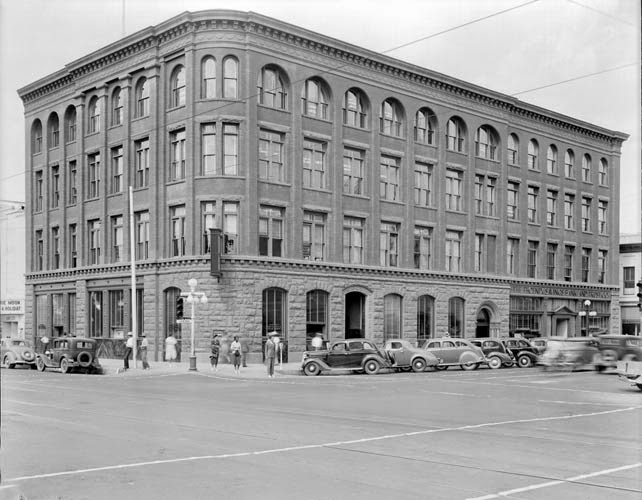
In an earlier column, I wrote about Phoenix's influential architects from Frank Lloyd Wright to Will Bruder (who decamped for Portland). Here is a gallery of the most iconic and beautiful structures from the past and present, from the McCulloch Bros. Collection/ASU Archives, Library of Congress, and Brad Hall. Click on a photo for a larger image.

1st_Ave_Washington_looking_northwest_Fleming_1938

The Fleming Building at First Avenue and Washington in 1938. It was completed in 1883, the most impressive building in the young town. Among its amenities: A basement bowling alley and two rooms as the first public library. It was demolished in the 1980s for the boxy Wells Fargo Building.

AZcap

The State Capitol at 17th Street and Washington, completed in 1901 as the territorial capitol. The Legislature never funded a replacement statehouse, although architecturally compatible additions were made. Modernistic structures for the House and Senate were added in the 1960s, and the scene was marred by the 1974 Executive Tower behind it. The Capitol is now a museum with its copper dome.

Center_Street_Bridge_1911

The Center Street Bridge, first span across the Salt River connecting farmers with the city and its railroads. Completed in 1911, it was claimed to be the longest reinforced concrete bridge in the world.

Hotel_Adams_Central_Adams_looking_northeast_1940s(1)

The Hotel Adams, built to replace an 1896 wooden structure that burned in 1910. It was demolished in the mid-1970s for today's Renaissance Hotel (first named the new Hotel Adams).

Some Phoenix then and now

Some Phoenix then and now

If you're a Phoenician of a certain age, you've seen tremendous change to the cityscape. Here are a few thanks to the McCulloch Bros. Collection in the ASU Archives and Brad Hall's collection. Click on the photo for a larger image.

McDowell and Central:

Central_Ave_McDowell_looking_north_1940s

1940.

Civic_Center

1959 with the Phoenix Civic Center.

Midtown circa 2020

2020 with infill, light rail, the Phoenix Art Museum, and Midtown skyscrapers.

Writing off the news

Writing off the news

6a00e54fdb30b98834026bdefeb468200c

I know some friends of the blog are unenthusiastic when I post galleries of Phoenix history. But history is one of Rogue Columnist's missions. And the traffic goes through the roof. People love the photos. But back to the serious stuff.

The New York Times did an in-depth look at the astonishing lack of care in advance of the deadly crowd trampling at the rapper's concert on Friday. It says in part:

Concert organizers and Houston city officials knew that the crowd at a music festival planned by Travis Scott, a favorite local rapper turned megastar, could be difficult to control. That’s what happened two years earlier, the last time Mr. Scott held his Astroworld Festival.

For months, they braced themselves, adding dozens more officers from the Houston Police Department and more private security hired by Live Nation, the concert organizer.

The Houston police chief, who knows Mr. Scott personally and felt the musician had been trying to do good for his hometown, said that he visited Mr. Scott in his trailer before his show on Friday and conveyed concerns about the energy in the crowd, according to a person with knowledge of the chief’s account.

But I urge you to read the whole thing here. I'll wait.

Valley towns

Valley towns

Even into the 1960s, the towns of the Salt River Valley were distinctive and separated from each other as well as from Phoenix. Let's take a photo tour (click for a larger image):

Glendale:

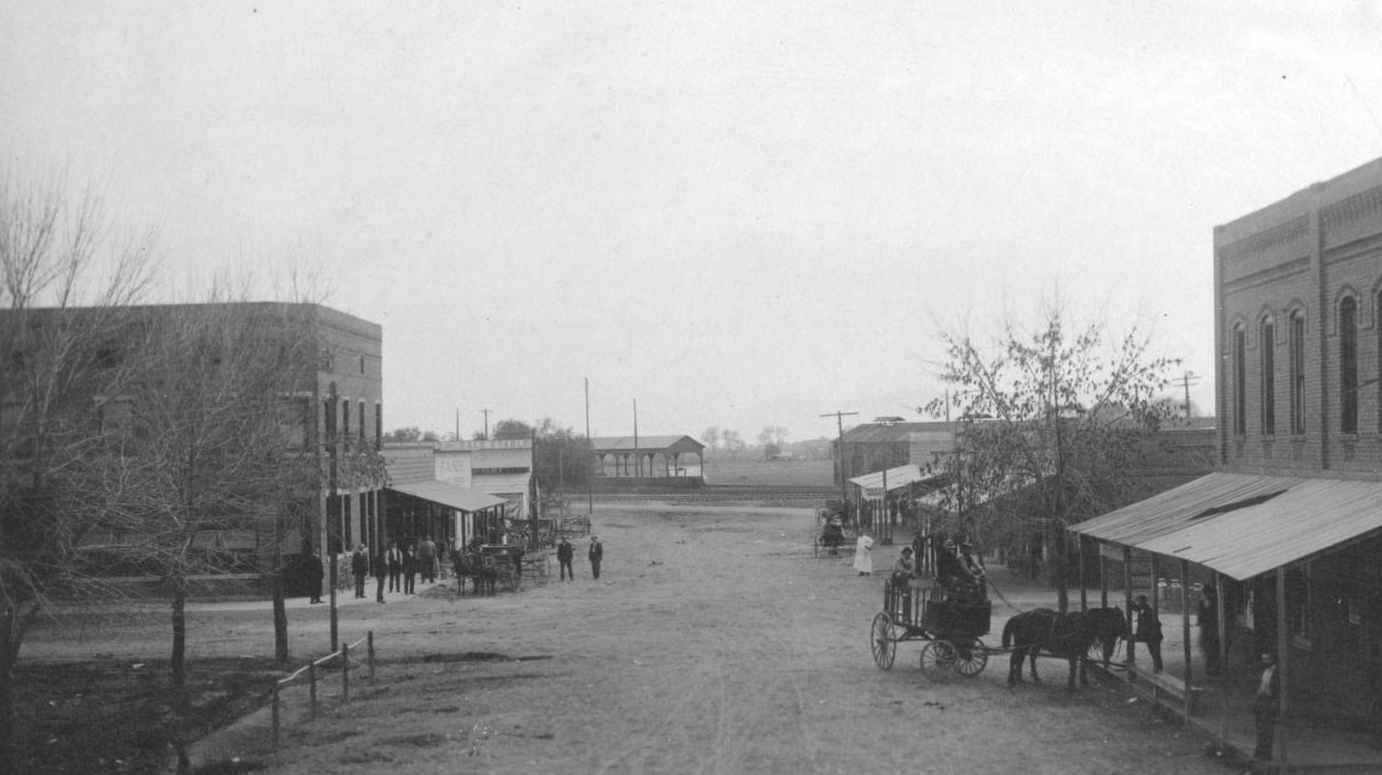
58th_Drive_1st_Ave_Glendale_Ave_Gillette_Building_looking_south_1910(1)

The Gillette Building at 58th Drive and First Avenue looking toward the Santa Fe Railway tracks and Grand Avenue in 1910 (McCulloch Bros. Collection/ASU Archives).

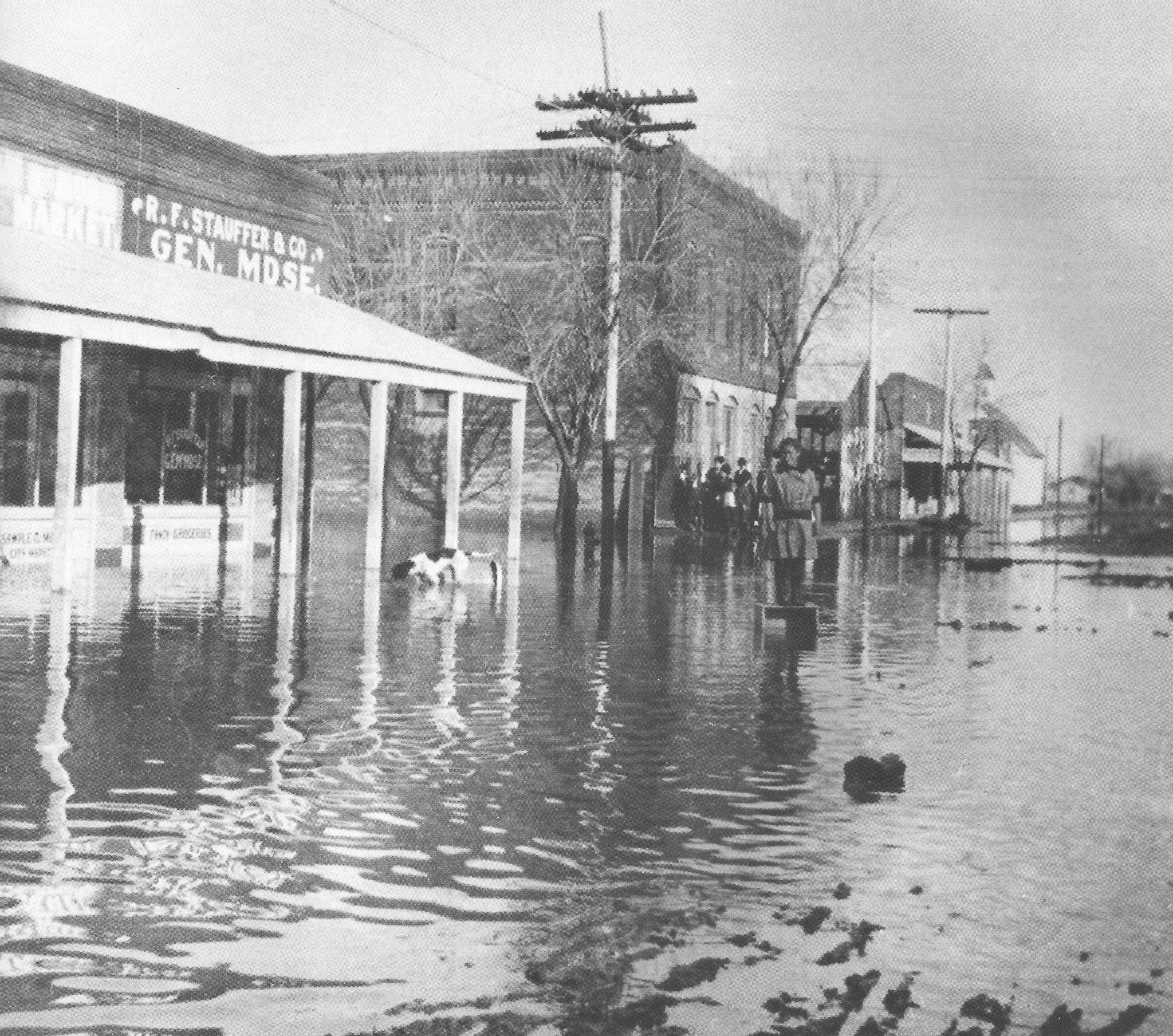
Glendale_flood_1915(1)

Glendale flooded in 1915 (McCulloch Bros. Collection/ASU Archives).

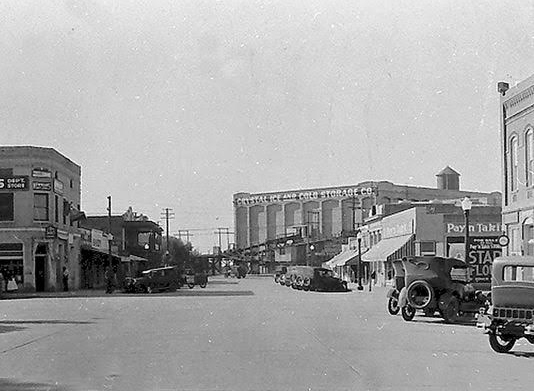
58th_Drive_Glendale_Ave_1st_Ave_Crystal_Ice_looking_south_1920s(1)

The same location in the 1920s (McCulloch Bros. Collection/ASU Archives).

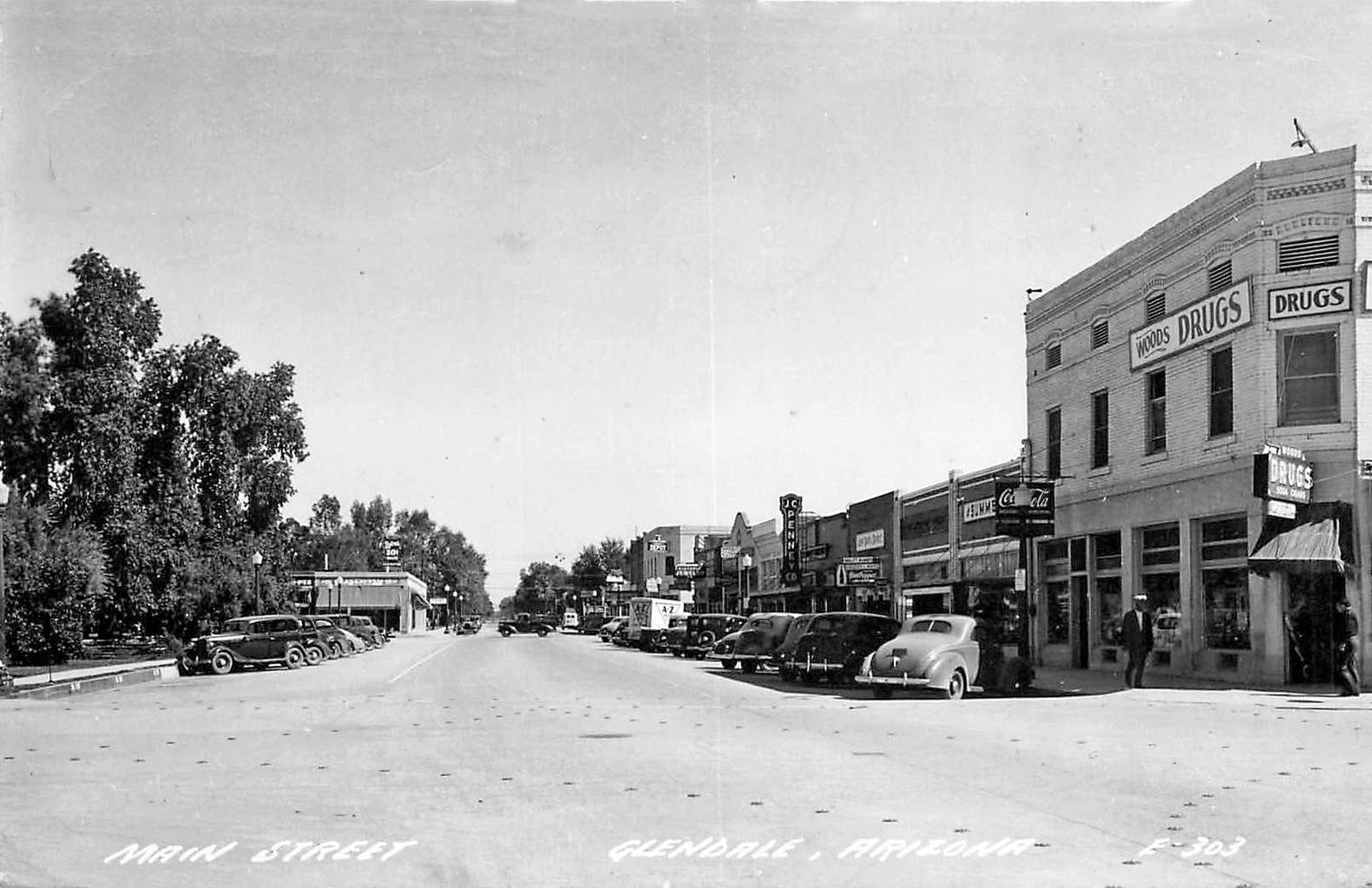
Main_Street_Grand_Glendale_1930s

Main Street seen in the 1930s when the town's population was about 3,700 (McCulloch Bros. Collection/ASU Archives).

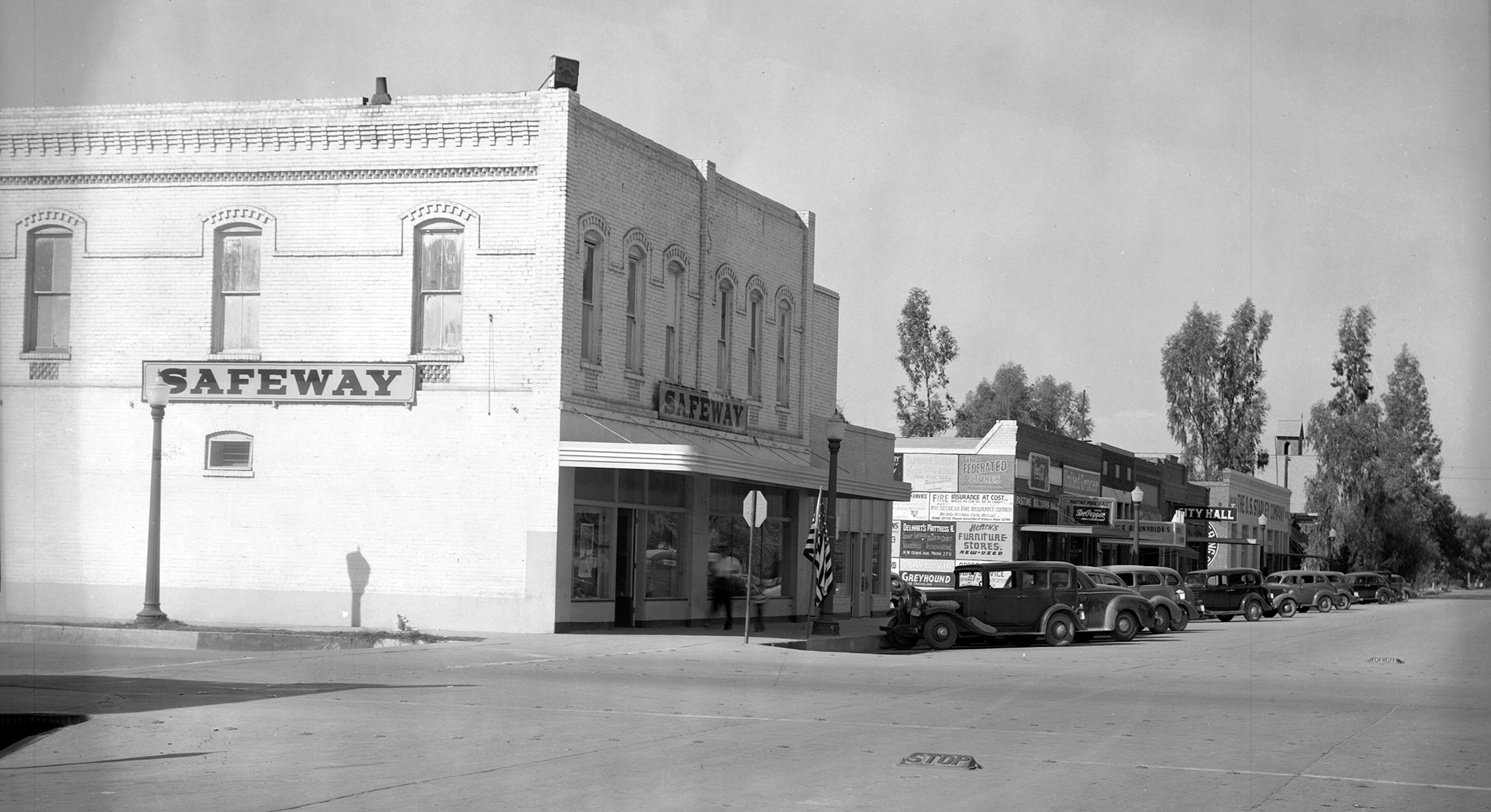
Safeway_1st_Ave_northwest_corner_58th_Dr_looking_north_Glendale_1942(1)

Looking north on 58th Drive, including Safeway, the Plaza Theater, and city hall in 1942 (McCulloch Bros. Collection/ASU Archives).

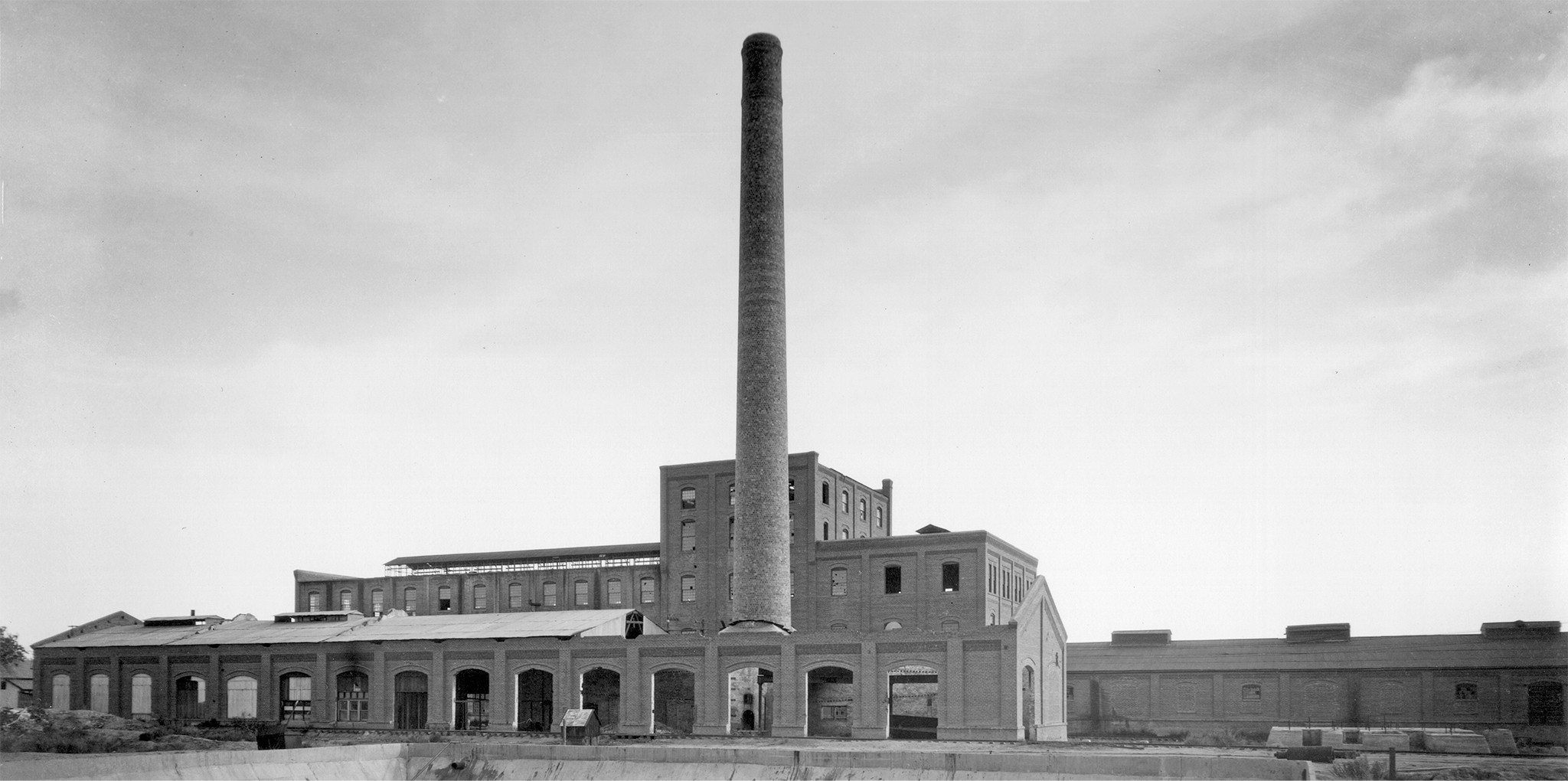
Glendale_Beet_Sugar_Factory_1940s

The sugar beet factory circa 1940 (McCulloch Bros. Collection/ASU Archives).

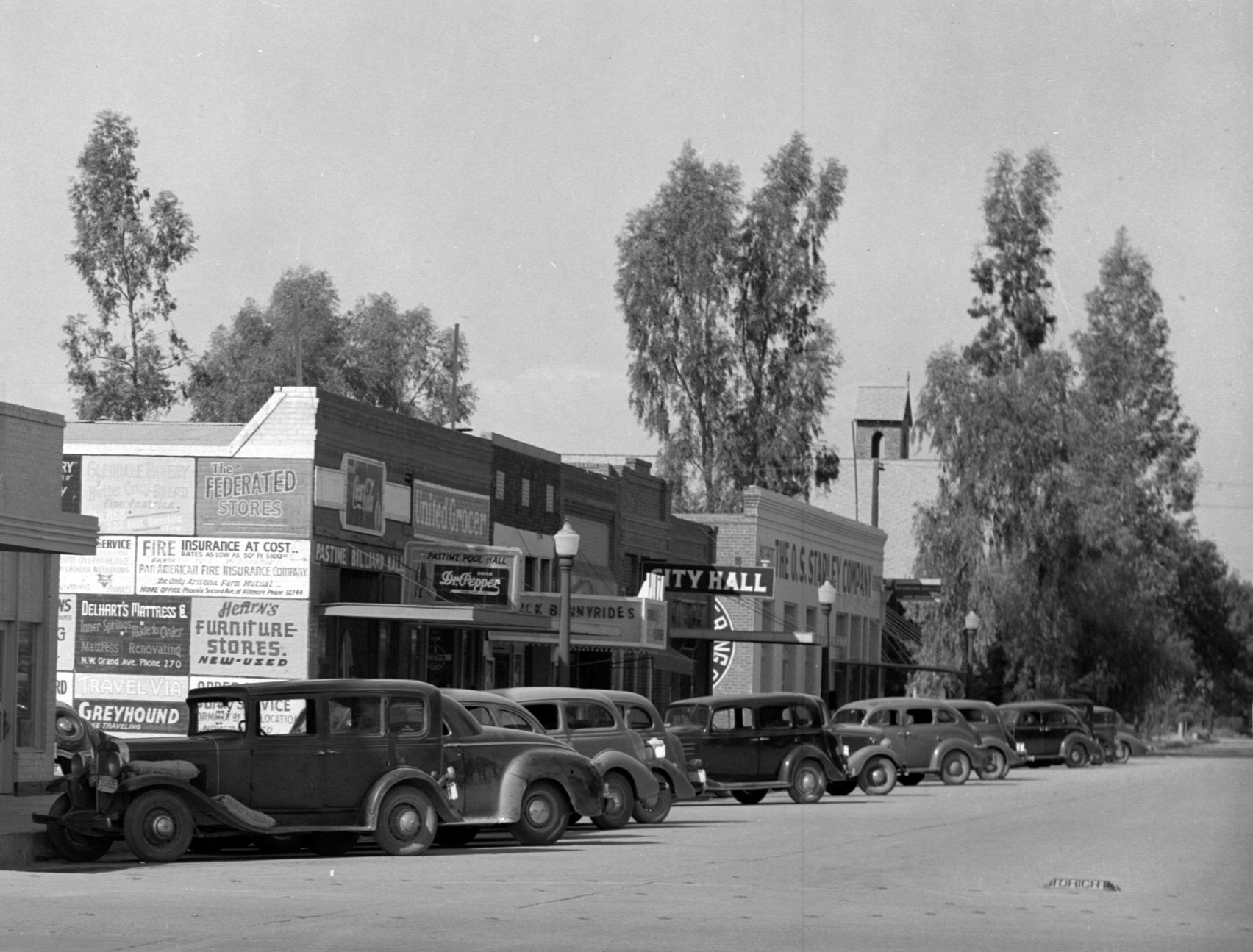
1st_Ave_58th_Drive_looking_north_Glendale_Plaza_Theater_Buck_Benny_Rides_Again_1942(1)

First Avenue (58th Drive) looking north (McCulloch Bros. Collection/ASU Archives).

Grant Woods, an appreciation

Grant Woods, an appreciation

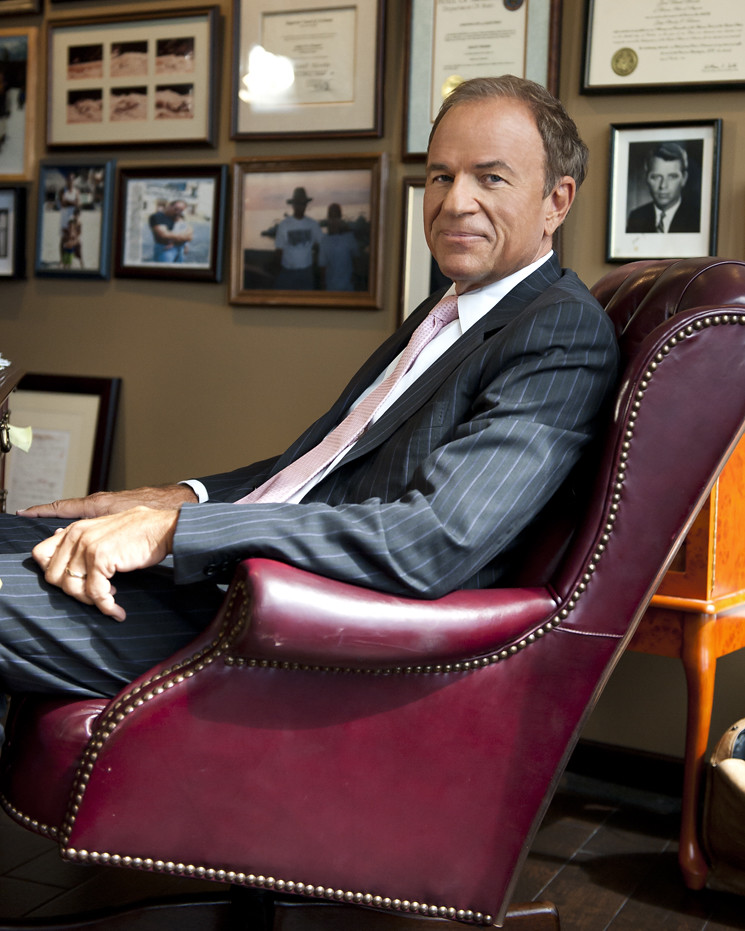
Grant Woods

The spontaneous outpouring of grief on news of Grant Woods' death at 67, too too young, is a measure of the man. We'll never see the same for Doug Ducey or Kyrsten Sinema or almost any Arizona pol you can name. Something similar might happen for Janet Napolitano or Terry Goddard, but this is an elite club.

Woods and I became friends when I returned to Phoenix in 2000 as a columnist for the Arizona Republic. A graduate of Mesa's Westwood High, we had long-running jokes because I had graduated from rival Coronado High in Scottsdale. He was a valuable off-the-record source and I knew the score. He'd already been ridden out of the Republican Party as a RINO. The state party had been radicalized since he was Attorney General from 1990 to 1999.

He was an outlier from the start, forcing the eccentric Bob Corbin from the primary and emphasizing civil rights, including a Martin Luther King Jr. holiday. Gov. Evan Mecham had repealed his predecessor, Bruce Babbitt's holiday proclamation in 1987. The holiday didn't become state law until 1992.

Lost opportunities

Lost opportunities

IMG-5475

Carl Muecke illustration.

So this is where are: People are refusing to take vaccinations. Religious exemptions? Health worries? The vaccinations don't work? None of those hold water. The common denominator is these are Trump Republicans (and Trump controls the GOP). His administration's Operation Warp Speed is responsible for the tempo and effectiveness of the vaccinations. He could declare a genuine accomplishment. But the goal is destruction of the Biden presidency, retaking the White House in 2024 and Republicans retaking the Congress next year. All of these appear likely.

One reason is the vote suppression and state gerrymandering thanks to Republican-controlled statehouses. Another is Biden's agenda stuck in Congress, in no small measure because of Sens. Krysten Sinema and Joe Manchin, only nominally Democratic. Finally is the far left of the Democratic Party with an agenda of defunding the police, allowing a rise in crime, encouraging "the homeless crisis," and pulling down statues. Wokeness might play in blue islands such as Seattle, but it's poison for winning national elections.

If the Republicans retake Congress, say goodbye to infrastructure, addressing climate change, and rebuilding the social safety net. The GOP operates in lockstep discipline. The Democrats are unable to slowly win legislative victories — something the New Deal accomplished even with commanding Democratic majorities in the Congress of the 1930s.

Neon Phoenix

Neon Phoenix

Nothing said magic and excitement in an American city more than neon during the first half of the 20th century. The Great White Way in New York City. Sunset Boulevard in Los Angeles. Ocean Drive in Miami Beach. Chicago's Magnificent Mile. In New Orleans, Bourbon Street.

Neon was found widely — from Route 66 to old Las Vegas. Today, with a few lucky exceptions, much of it has been replaced by bland, but easier to maintain signage or consigned to museums out of context. But it had particular beauty and sexiness in a city. This was true even of a small city such as Phoenix.

The challenge for the visual historian is finding color images, even though Kodak introduced Kodachrome film in 1935. Finding them, at least for Phoenix. Here's what I've got (click on the photo for a larger image):

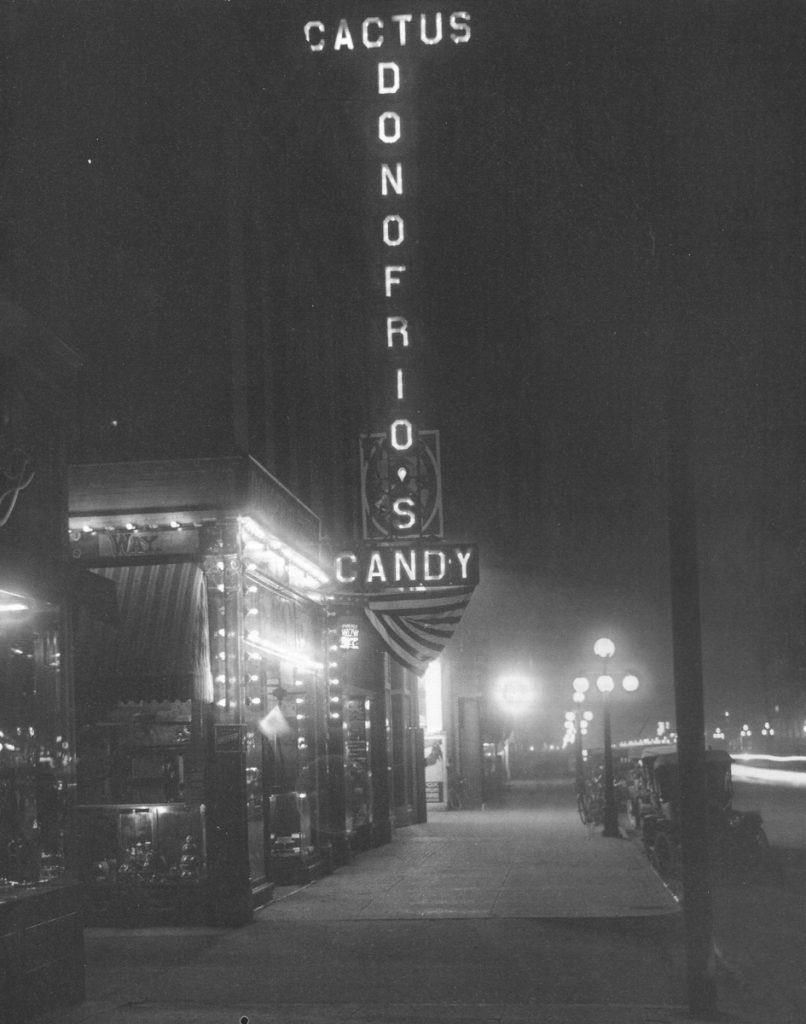
Donofrios_Ellingson_Washington_Cactus_Way_night_1915

Neon lights up Donofrio's Cactus Candy store on Central, 1915 (McCulloch Bros./ASU Archives).

Rialto_Theatre_at_night_37_W_Washingon_1921(1)

The Rialto Theater on Washington Street west of Central in 1921 (McCulloch Bros. collection/ASU Archives).

Orpheum_Theater_203_W_Adams_night_The_Desperadoes_1943(1)

The Orpheum Theater in 1943, highlighting stars Frank Sinatra and Randolph Scott (McCulloch Bros./ASU Archives).

Central_Van_Buren_looking_south_night_Schlitz_1940s

A ribbon on neon on Central Avenue in the 1940s. Even the billboard above the coffee shop for Schlitz beer features neon.

The extremists

The extremists

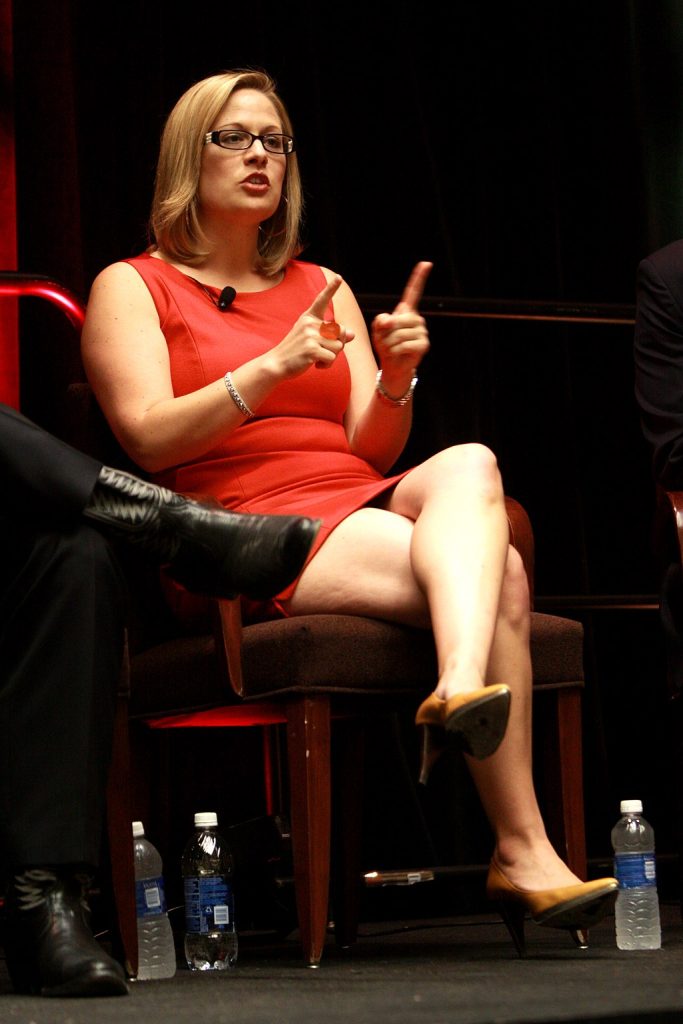
1024px-Kyrsten_Sinema_(8912215606)
Gage Skidmore photo

Will Rogers quipped, "I am not a member of any organized political party. I am a Democrat." This was during the 1930s, when FDR's New Deal was made possible by an uneasy coalition of northern and midwestern big-city party bosses, unions, farmers, and Southern segregationists. Somehow it worked and the nation was saved.

Now, at another moment of national peril, the Democrats are not merely disorganized but deeply divided and nobody's laughing. Their time to make constructive moves on historic public investments in infrastructure, improve living standards, and return to progressive taxation is running down. If they fail and we get a Republican-controlled Congress next year and Donald Trump’s second term in 2024, we'll know who to blame.

In the past I've been willing to cut Sen. Kyrsten Sinema a break, tacking right sometimes to be viable in a red-purple state. It's in the "pinto" tradition of Arizona Democrats such as Carl Hayden. But in the Biden years, she's hardened into an extremist, deliberately blocking the president’s agenda when Democrats have momentary control of both houses of Congress. Like West Virginia Sen. Joe Manchin, she's no "centrist." She's a destructive force who might as well be a Republican. And, like Manchin, she stands to profit from industries that oppose the Biden budget.

And they aren't the only ones.

The 2000s

The 2000s

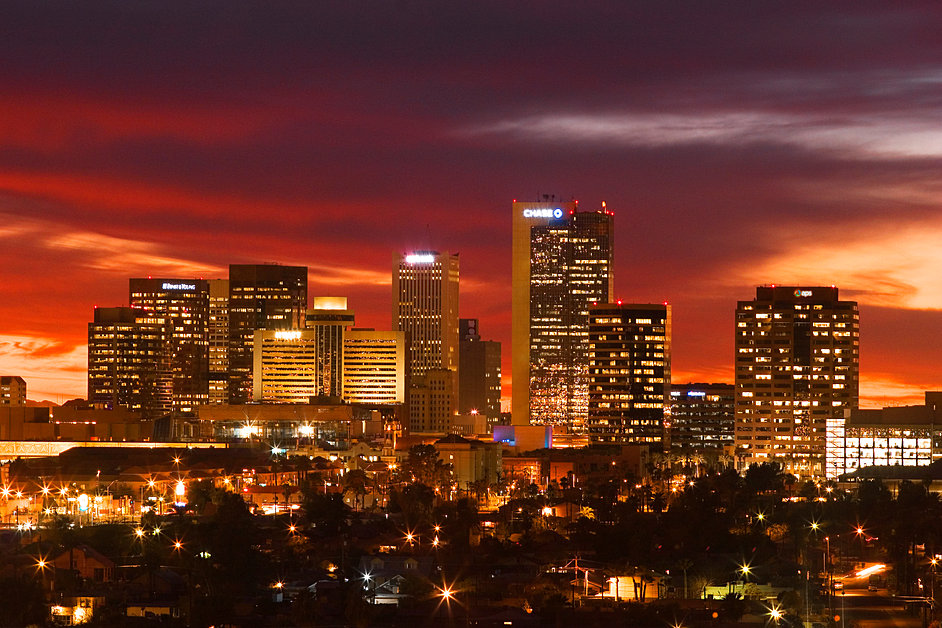
Downtown circa 2002
I'll wrap up the series of decade history columns (twenties, thirties, forties, fifties, sixties, seventies, eighties, nineties, and 'teens) with a look at Phoenix from 2000 to 2009.  This one is different because I was an active participant in many of the events, having returned home as a columnist for the Arizona Republic. Caveat lector.

Phoenix and Arizona roared into the new century on a historic wave of growth in the 1990s. The city's population topped a million for the first time, clocking in at more than 1.3 million in the 2000 Census and surpassing San Diego as the nation's sixth most-populous city.

All seemed to confirm the near constant, mysterious levitation of growth, despite the downturn in 1990 foreshadowed by the 1988 Barron's "Phoenix descending" report. The Greater Phoenix Economic Council (GPEC) had established high-end clusters to cultivate. But having worked in San Diego, Dayton, Denver, Cincinnati, and Charlotte, I was concerned and started asking questions.

For one thing, the big local election issue was Prop. 202, an initiative that would have required (very loose) growth boundaries. Early polling showed it leading among respondents. And the real-estate interests went crazy, labeling it "the Sierra Club initiative, ripping down supportive signs, and economist/developer Elliott Pollack darkly warning that if it passed a devastating recession would result.

The warpath ahead

The warpath ahead

IMG-5166
Illustration by Carl Muecke.

One of the interesting parts of Michael Crow's empire is the Center on the Future of War, dedicated to exploring "the social, political, economic, and cultural implications of the changing character of war and conflict." With a faculty led by Peter Bergen, a CNN analyst and leading scholar on terrorism, and Daniel Rothenberg, former Managing Director of International Projects at the International Human Rights Law Institute at DePaul University, we're a long way from little Tempe Normal. The UA — or UArizona as they would have it — has nothing to compare.

Crow has a genius for going where the action is, particularly where money can be found in a state that shamefully underfunds higher education. And even with the end of the "Forever War" with President Biden's withdrawal from Afghanistan (that and Iraq were not our longest conflict; that prize goes to the Indian wars of the 19th century), America's seeming hunger for war isn't going away.

The Pentagon, think tanks, and cottage industry of military journalism have us aiming at China, with runners up Russia and Iran. As for the first two, war with nuclear-armed adversaries: What could go wrong? Brown University’s Watson Institute estimates direct costs from the “war on terror” to be 929,000 deaths and a federal price tag of $8 trillion.