Wealth and cities

Wealth and cities

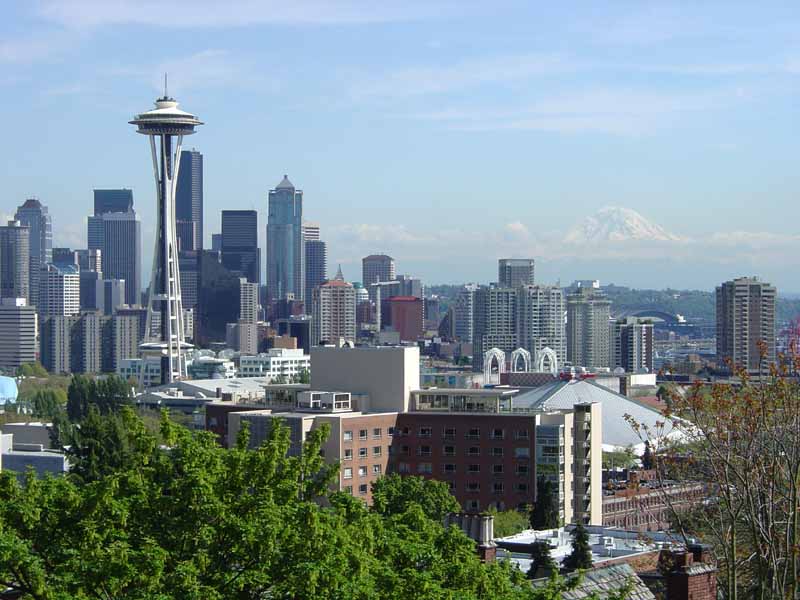
Downtown_Seattle_from_Kerry_Park

In Seattle, I frequently encounter rich people whose family wealth can be traced back generations. Although they might be techies, bankers, lawyers, investors, or philanthropists, their great- or great-great grandparents made their fortunes from timber. It was the foundational extraction industry of the Pacific Northwest.

Timber and logging are now a small fraction of the region's economy, but they created the riches that would propel Seattle into becoming a world city. Most famous was Frederick Weyerhaeuser, a German immigrant who, with his partners, built a timber empire with help from the railroads. Although Weyerhauser's headquarters was in Tacoma for many years, then in the suburb of Federal Way, the company recently moved to Pioneer Square in downtown Seattle, the better to attract top talent. William Boeing made his money from timber before founding the aerospace company that bears his name. And so it went.

Phoenix had its start in land extraction, too. First as an agricultural empire, then as a "migropolis," attracting millions of people to hundreds of square miles of subdivisions. But there the similarity ends. Phoenix never moved beyond the extraction industry of the land economy to become an economy based on value creation.

The consequences were on sharp display in the 2000s, when an effort was made to create a metropolitan arts council that would lobby for taxes to support culture. While the enterprise failed, it produced a remarkable study. That found that Phoenix ranked around 35th nationally in giving to the arts, despite Phoenix being the fifth most populous city and the 13th largest metro area. The same holds true for book markets. Phoenix is tough ground for writers. A new study found Arizona last in charitable giving.

Phoenix was wild about Harry

Phoenix was wild about Harry

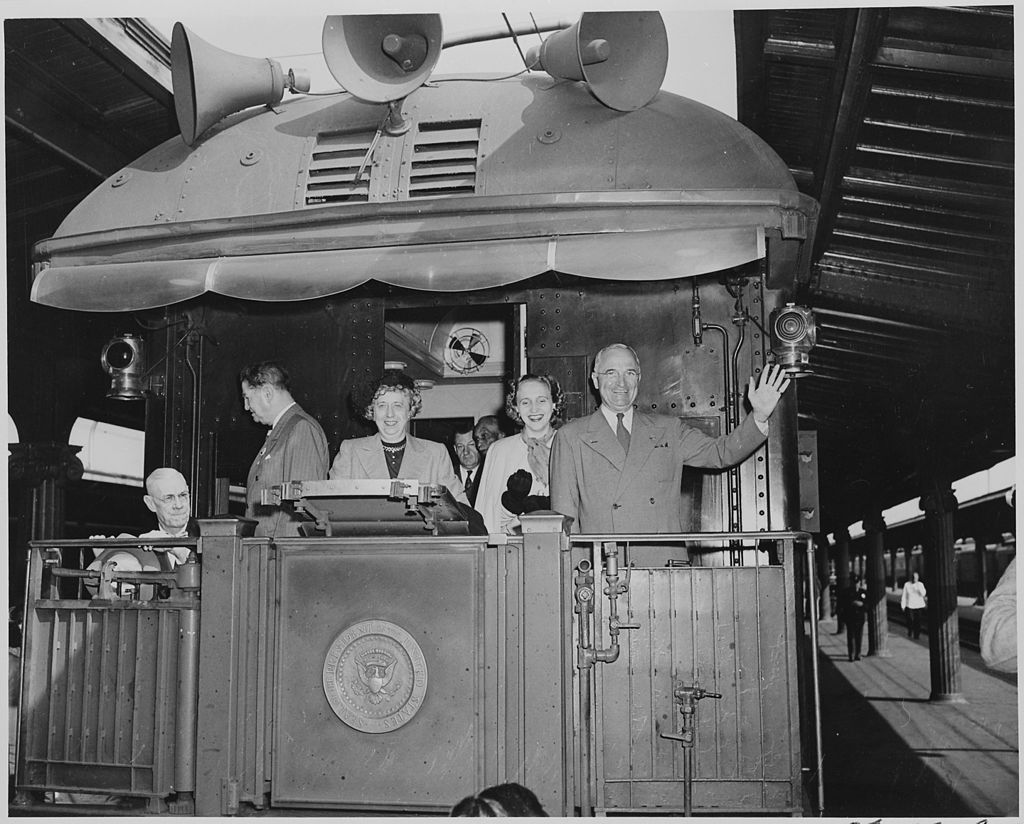
Truman campaign train 1948
B
efore we get out of campaign season, it's worth remembering one of the most riveting contests in American political history: Harry Truman's run for president seven decades ago.

In 1948, Truman was serving out FDR's fourth term, having become the unexpected vice president to the ailing president four years before. Roosevelt died within months of winning the election, leaving Truman to lead the nation through the conclusion of World War II. Truman was untested and, compared with the suave FDR, came off as a country bumpkin. Also, after 16 years of Democratic triumphs, Americans were ready for a change. Republicans won control of Congress in 1946. The well-regarded New York Governor Thomas Dewey, who ran well against Roosevelt in 1944, was widely expected to win the presidency in 1948.

But the GOP misjudged their opponent in the White House. A fierce partisan with a volcanic temper, Truman famously ran against the "Do Nothing" Republican Congress. Even so, he remained the underdog. Thus, Truman embarked on a 30,000-mile whistle-stop campaign, criss-crossing the nation in a special train.

Truman visited Phoenix in September, where 7,000 people crowded around the rear platform of the armored presidential railcar Magellan to hear a "Give 'em hell" speech. The 17-car presidential special traveled east on the Southern Pacific. It previously stopped in Yuma, where 6,000 heard Truman speak and Arizona dignitaries boarded for the ride to the capital and Tucson. 

Saving the mountains

Saving the mountains

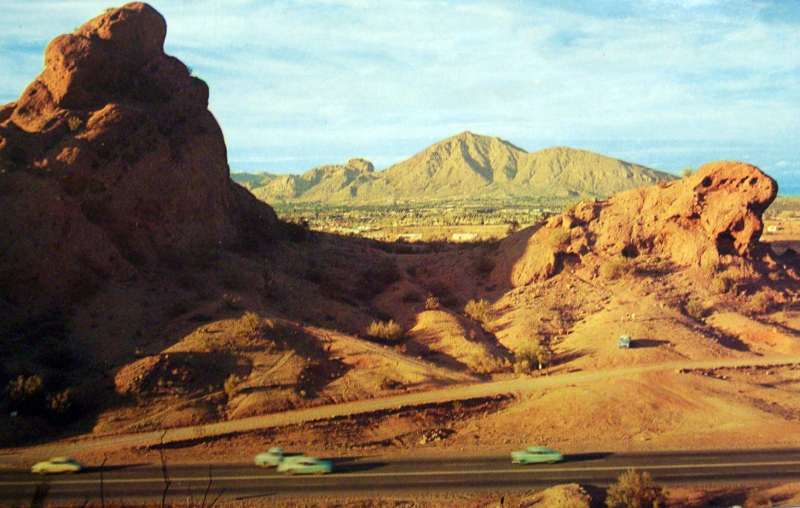
Camelback_Mountain_Papagos_McDowell_1950s
Phoenix punches below its weight on almost category compared with its peers. But it has one amenity that places it above nearly every other big city: the mountain preserves and parks. They are a majestic and defining accomplishment.

The city has about 37,000 acres, or 58 square miles, of mountain preserves and parks. These range from South Mountain Park and Papago Park to the Phoenix Mountains Preserve and the Sonoran Preserve in far north Phoenix.

This also inspired suburbs, especially Scottsdale with its McDowell Sonoran Preserve. As I write, this is the subject of a big fight over Proposition 420, which would allow a tourist center — and potentially other development — to be built in this pristine land. Scottsdale preservationists are wise to be on guard. Phoenix's experience shows that saving the mountains didn't come easy — and is always at risk.

Preservation began with two federal initiatives. First was the Papago Saguaro National Monument, established by President Woodrow Wilson in 1914 at the urging of Rep. Carl Hayden (Hayden actually wanted a National Park). Second came the Coolidge administration's sale of the 13,000 acres of the future South Mountain Park to the city in 1925, again with the urging of Hayden, by then a Senator. Phoenix paid $17,000 ($248,000 in today's money) for the ranges of what were then known as the Salt River Mountains and surrounding desert. 

Carolyn Warner, an appreciation

Carolyn Warner, an appreciation

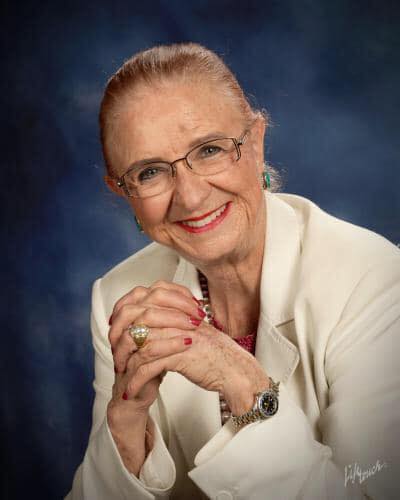
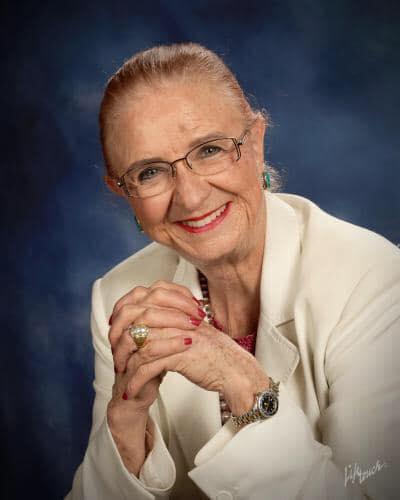
Carolyn WarnerI still subscribe unfashionably to the Great Man and Great Woman school of history. But history also carries cruel contingencies. Carolyn Warner, who passed away Monday night at 88 was a towering figure who might have saved Arizona from the Kookocracy, saved Arizona from itself.

Instead, Democrats split the gubernatorial vote in 1986, giving us Evan Mecham, then Fife Symington, and, with the Big Sort bringing ever more right-wingers and the old stewards passing, the die was cast.

Along with her ex-husband Ron, Warner ran the furniture and interior design store that bore their name at 28th Street and Osborn. It was for years the fanciest furniture store in town. A native of Ardmore, Okla., she came to Arizona in 1953.

As Superintendent of Public Instruction for 12 years, Warner oversaw the last period of great public schools in Arizona, long before the shameful charter-school racket. Although a Democrat, she worked well with pragmatic Republicans such as Burton Barr, in an era of both bipartisan compromise and competition. 

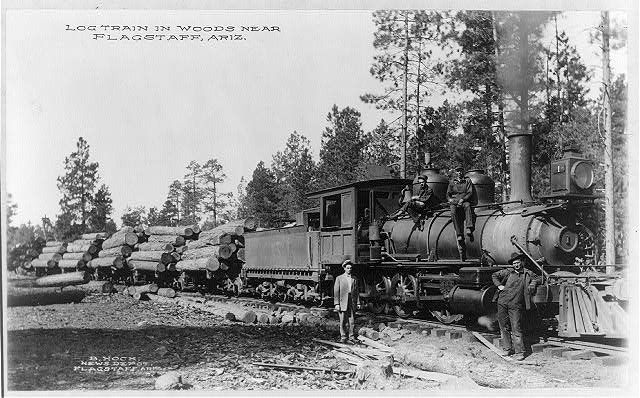
Ghost railroads of Arizona

Ghost railroads of Arizona

Log train
Today's railroad action in Arizona is largely confined to the Union Pacific across the southern part of the state and the BNSF "Transcon" across the north, along with branch lines from both to Phoenix. Long intermodal and merchandise freights power along with few stops, heading to California and the east. Freight yards, crew changes, roundhouses, and repair work that once bolstered railroad towns such as Ash Fork and Seligman have been eliminated or diminished. Arizona now posts some of the lowest levels of rail freight tonnage originating and being delivered in the nation.

It wasn't always that way. Railroads were essential to tapping the state's mineral wealth, especially copper, shipping produce from the Salt River Valley, and building towns that served as busy division and subdivision points.

Passenger trains ended the state's isolation, bringing new residents and tourists. Crack trains included Santa Fe's northern Arizona fleet of the Super Chief, El Capitan, Chief, San Francisco Chief, and Grand Canyon, and Southern Pacific's Sunset Limited, Golden State Limited, Californian, and Imperial among others traveling through Phoenix once the SP northern main line was completed in 1926. They delivered and picked up the mail, often sorted en route in Railway Post Office cars. Less-than-carload freight service with the Southern Pacific, Santa Fe and Railway Express Agency served scores of towns and cities, the FedEx and UPS of their day.

Railroads built Arizona.

Almost all of this is gone. But the ghosts linger. Here are a few: 

Mayors you should know

Mayors you should know

With Councilwoman Thelda Williams being a placeholder (for the second time) until a new Phoenix mayor is elected in November, it's a good time to reflect on her predecessors. Here is my admittedly subjective list of the most consequential:

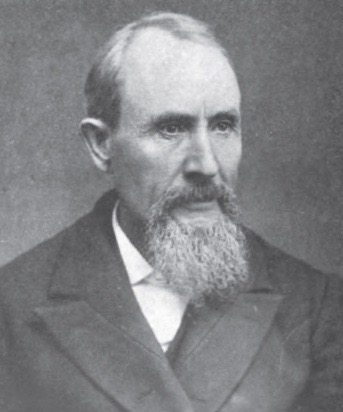
John_T_Alsap (1)John Alsap was Phoenix's first mayor, serving for a year in 1881 after incorporation. Dying five years later, age 56, Alsap, left, nevertheless compiled impressive accomplishments in the Territory. Kentucky born, Indiana raised, and a physician by training, he came to Prescott as a prospector and saloon operator. He began farming in the Salt River Valley in 1869 and was one of three commissioners who established the Phoenix townsite. In the territorial Legislature, he led the successful effort to create a new county — Maricopa — out of Yavapai County. He's buried in the old Pioneer Cemetery (now the Pioneer and Military Memorial Park, although its historic grass was removed).

Emil Ganz was the young town's first Jewish mayor and a two-term chief, serving from 1885-86 and 1899-1901. Ganz was born in Germany, emigrated to America and training as a tailor, seeing heavy action in the Civil War on the Confederate side, and moving to Phoenix in 1879. He ran the Bank Exchange Hotel, the town's first substantial hostelry. As mayor he pushed to establish a fire department and improve the water supply (his hotel burned in 1885 and the town was hit by a severe blaze a year later). 

The Canals of Phoenix

The Canals of Phoenix

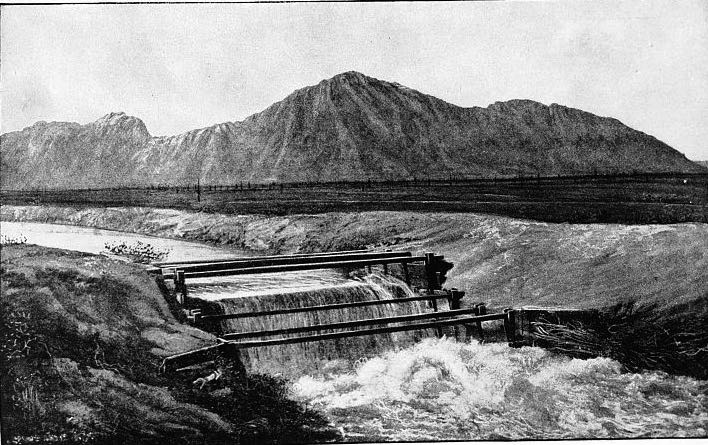
AZ_Canal
Beneath all the concrete, asphalt, and gravel of today's metropolitan Phoenix is some of the richest soil on earth. No wonder early settlers called it the Nile River Valley of the United States, or, with more aching pathos given what's happened, American Eden. Add water and anything will grow here. Getting the water from the Salt River was the challenge — one solved with canals.

The Hohokam (750-1450 AD) built at least 500 miles of canals in the Salt River Valley. The mileage might have been in the thousands. They created the most advanced irrigation civilization in the pre-Columbian Americas.

The genius of Jack Swilling — Confederate deserter, Indian fighter, prospector, drunk, opium addict, brawler, first town postmaster and justice of the peace, adoptive father of an Apache boy, cherished friend of many — was that he understood the significance of the Hohokam canals, which laid dormant for more than 400 years. They were not mere prehistoric curiosities. They were the means of building a modern empire, where a new civilization would arise from the ashes of its predecessor. (Why would you use the amorphous word "Valley" when you have the magical and appropriate name: Phoenix). 

Filling in

Filling in

DSCN2449(1)
In the 2000s boom, central Phoenix saw many proposals and promises — including 60-story towers in Midtown — but hardly any private development happened. It took years of heavy lifting to get WilloWalk/Tapestry and One Lexington.

Finally, even though the local economy has yet to fully recover from the Great Recession, the central core is seeing major infill. One prime example is Lennar's Muse apartments, built on the long dormant empty lot at the northwest corner of Central and McDowell, once home to AT&T's offices.

Just south, and also near the light-rail (WBIYB) station is a massive apartment complex under way near the Burton Barr Central Library. The north side of Portland Park has a tall condo building. More apartments are complete around Roosevelt and Third Street, while a crane hovers over the former site of Circles Records, erecting Empire Group's 19-story apartments. South of One Lexington, the long construction of the Edison condos is nearing completion.

This is transit-oriented development and it's finally happening.

An aside: Why does the announcement on trains say, "McDowell and Central, cultural district" instead of "Phoenix Art Museum, Phoenix Central Library," and "Roosevelt and Central, arts district" instead of "Roosevelt Row arts district"? 

Phoenix confidential: Miranda

Phoenix confidential: Miranda

MirandaIn our cultural memory, Ernesto Miranda was railroaded into a false confession by a thuggish and racist Phoenix Police Department. The wrong was rectified by the Supreme Court in the landmark Miranda v. Arizona lawsuit. This resulted in the Miranda Warning, especially its demand that suspects be told that they have the right to remain silent. Anyone who has watched cop shows, from Adam 12 to Law and Order knows it by heart.

The truth is far different — and more fascinating.

Miranda, who went by Ernie, was born in Mesa and mingled easily in the Anglo-dominated Phoenix of the early 1960s. His boss at United Produce in the Warehouse District praised his work ethic. All his brothers joined the armed forces, served honorably, and lived successful lives. But Ernie was in trouble in his teens, doing two stints at Fort Grant, once synonymous with the state Industrial School for Wayward Boys and Girls. In the 19th century, Billy the Kid worked as a ranch hand nearby for a time. Ernie joined the Army but was dishonorably discharged.

The cause was being AWOL multiple times — but also for being a peeping Tom. Miranda rationalized it to himself that the women wouldn't leave their curtains open unless they wanted to be watched. This compulsion — especially after he arrived back in Phoenix after a troubled wandering around the country — would turn him into a hard-core rapist (one crime as a teen had been "assault with intent to commit rape”).

When a light goes out

When a light goes out

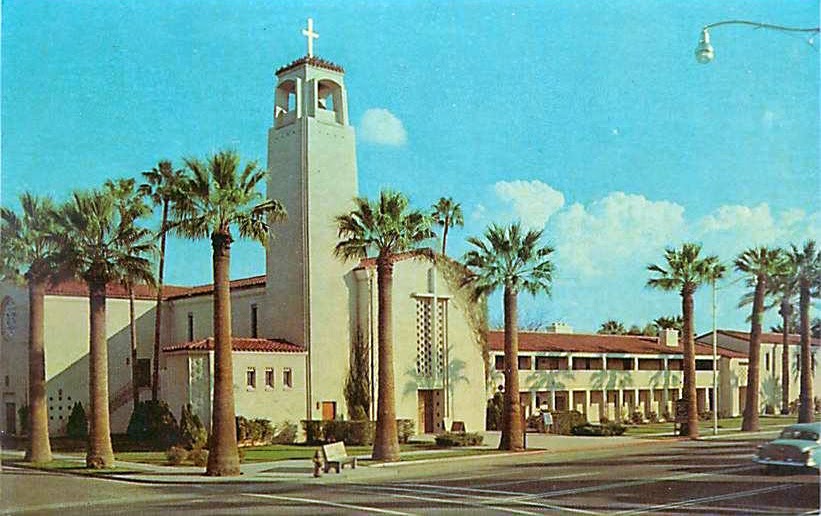
Central_Methodist_Church_1875_N_Central_1950s
“It’s so much darker when a light goes out than it would have been if it had never shone.” — John Steinbeck

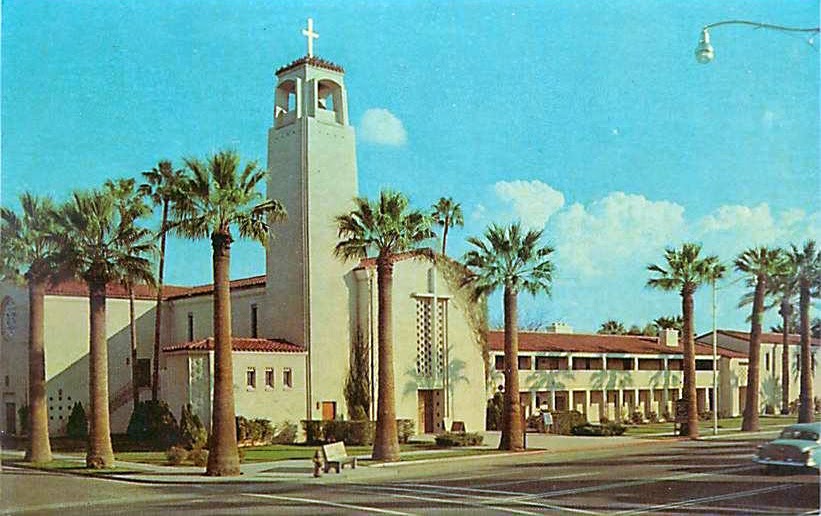
Central United Methodist Church, at Central Avenue and Palm Lane, will close at the end of June. It's a devastating event.

I was baptized here, so many decades ago. I remember Sunday school, attending services with my mother and grandmother. My mother had a glorious contralto and, a child prodigy trained as a concert pianist, sometimes played the immense pipe organ, with its 4 divisions, 28 stops, and 41 registers. In the 1960s, it was common for each service to see a thousand people or more, filling the sanctuary and its three balconies. Central was a prime posting for veteran ministers — only doctors of divinity reached the senior rank — and the choir was superb. I was confirmed there, age 13.

When I returned to Phoenix in 2000, I started attending Central again, this time with Susan. Getting a hundred people in the pews was a victory by that time. The quality of preaching was uneven, as individual ministers came and went (long gone from the days of a senior minister and others). But the music program was very strong under Don Morse.

The core, including the longstanding group of ushers, was committed. Important for us, Central still offered a traditional service, with the wonderful Methodist hymns. Christmas Eve could see five services in the soaring sanctuary, with luminarias in the courtyard. We continue to attend. When I lived in Charlotte, people would ask me if I had found "a church home." No — in that hotbed of religion, the question irritated the secular me. "I have a bar home," I would respond. But the truth was different. My church was here. It always was. Always will be.

But 2018 brought heartbreaking news. First, the music program was downgraded, with Morse and seemingly most of the choir gone. Finances were an issue; the church and Morse, who had already taken a pay freeze/cut, couldn't come to terms. But respect also seemed an issue, the lay leaders wanting to downgrade his position to "choirmaster." A botched remodel of the sanctuary was probably another cause, including the loss of the pipe organ and removal of two of the balconies. I don't claim special insight. I spent many years in United Methodist choirs, but tried to avoid church politics whenever possible. Next came word that the sanctuary would only be used for special occasions. A traditional service would be held in the small Pioneer Chapel and a contemporary one in Kendall Hall.

The kingdom and the power

The kingdom and the power

SRP

The Salt River Project was recently in the news, with proposed pay increases including $251,000 a year for board President David Rousseau. The story noted that this was more than Gov. Doug Ducey ($95,000) or Phoenix Mayor Greg Stanton ($88,000). SRP backed off following the news in the Arizona Republic. The real day-to-day boss in the new general manager, Mike Hummel, who will make $1.04 million. Despite the modest title, this is a position of immense influence. Former general managers include heavyweights Jack Pfister and Dick Silverman.

Phoenix lacks engaged moneyed stewards such as Bill Gates and Paul Allen in Seattle, or major headquarters such as Amazon. This only magnifies the power of SRP. It is no ordinary utility, even though it supplies electricity to the Phoenix metropolitan area along with Arizona Public Service. But much of what it does happens behind the scenes. SRP likes it that way. 

The Salt River Project is a unique entity. Unlike the Tennessee Valley Authority or the Bonneville Power Administration, both created during the New Deal as public works to address the Great Depression, SRP is not a federal agency.

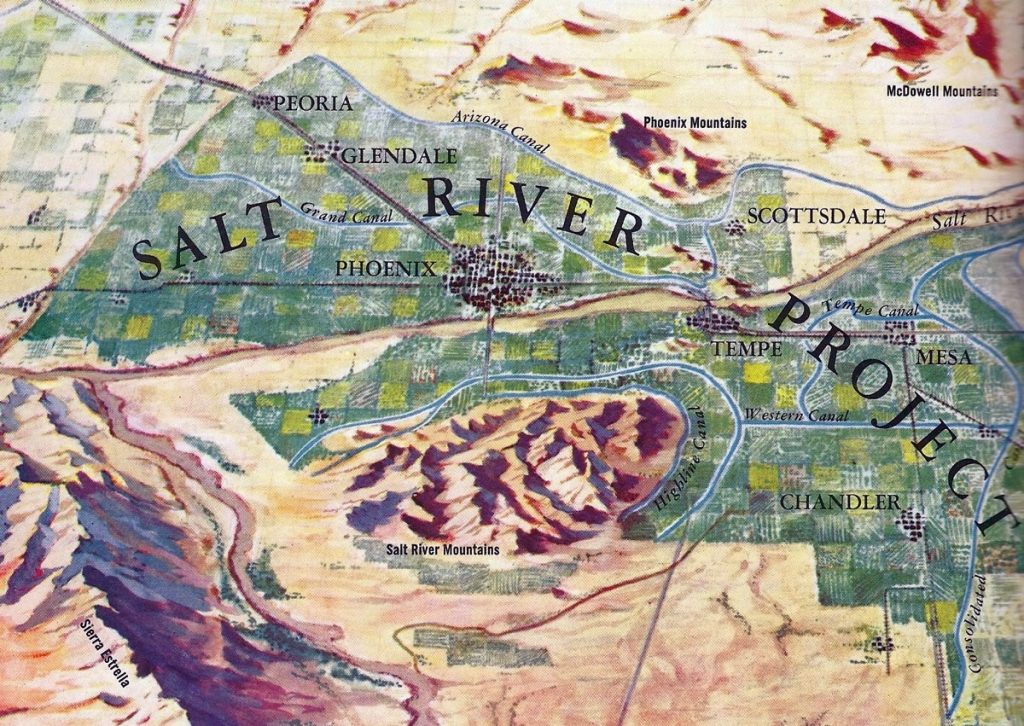
Rather, it is a hybrid private-state organization consisting of two arms. First is the Salt River Valley Water Users Association, which began in 1903. The first Newlands Act reclamation project, the association consisted of farmers and ranchers who pledged their land as collateral for low-interest bonds to pay for Theodore Roosevelt Dam. This followed the disastrous droughts on the 1890s and the failure of private enterprise to build a waterworks, notably the Arizona Canal, to match the potential of the burgeoning agricultural empire of the Salt River Valley. The dam also provided hydroelectricity. 

Phoenix in the nineties

Phoenix in the nineties

Papago_Freeway_Tunnel
The new decade came upon a Phoenix beset with crisis. Charlie Keating, the most lionized Arizona businessman of the previous dozen years, was facing federal fraud and racketeering charges. His palatial Phoenician Resort was seized by a platoon of U.S. Marshals, lawyers, regulators, and locksmiths in November 1989. American Continental Corp., flagship of Keating's complex web of businesses, was forced into Chapter 11 bankruptcy reorganization. Among the casualties was his ambitious Estrella Ranch project south of then-tiny Goodyear.

Behind much of the trouble was the savings and loan scandal and collapse, a financial crisis that cost taxpayers about $132 billion. It also took down some of the Sun Belt's biggest institutions, including Phoenix's venerable Western Savings, controlled by the Driggs family, and Merabank, a subsidiary of Pinnacle West Capital Corp. meant to make big bucks for the holding company of Arizona Public Service. It would take the federal Resolution Trust Corp. years to sort out and dispose of all the properties and hustles. The worst of the S&L wrongdoing was the Keating Five scandal. Its U.S. Senator members, who leaned on regulators on behalf of Keating, included Arizona's Dennis DeConcini and John McCain (Disclosure: John Dougherty and I were the first to break this story at the Dayton Daily News).

The local trouble had been predicted in a December 1988, Barron's article about Phoenix's overheated real-estate market, fueled by S&L money. The headline: "Phoenix Descending: Is Boomtown USA Going Bust?" The boosters had been outraged. Barron's had been right. In an ominous foreshadowing of the future, the city hit a record 122 degrees on June 26, 1990.

For individuals, the worst was yet to come. Unemployment in Arizona rose from 5.3 percent in May 1990 to a peak of 7.8 percent in March 1992. This seems modest compared with the Great Recession (11.2 percent for the state); it was painful enough. State and city leaders committed to establishing a more diverse economy, weaning Arizona off its dependency on population growth and real estate. Economic development organizations were set up across the state for this purpose, including the Greater Phoenix Economic Council, led by the brilliant Ioanna Morfessis. It established goals to build strategic clusters around high-technology sectors with high-paying jobs.

Tragically, the effort failed. The 1990s, when the U.S. economy enjoyed its longest, strongest, most innovative economic expansion in history, saw Phoenix and Arizona double down on "growth." The state's population grew by a staggering 40 percent, 45 percent for metropolitan Phoenix. The cluster strategy lacked sustained focus. Yet none of this was obvious or inevitable as the decade began. 

Phoenix’s lost gems

Phoenix’s lost gems

We spend much time on this site discussing urbanism, including the architectural losses and disasters of Phoenix. More than history or sentimentality is at stake. Much of the economic power in cities such as Seattle, Denver and even Los Angeles has come from the "back to the city" movement and restored historic masterpieces.

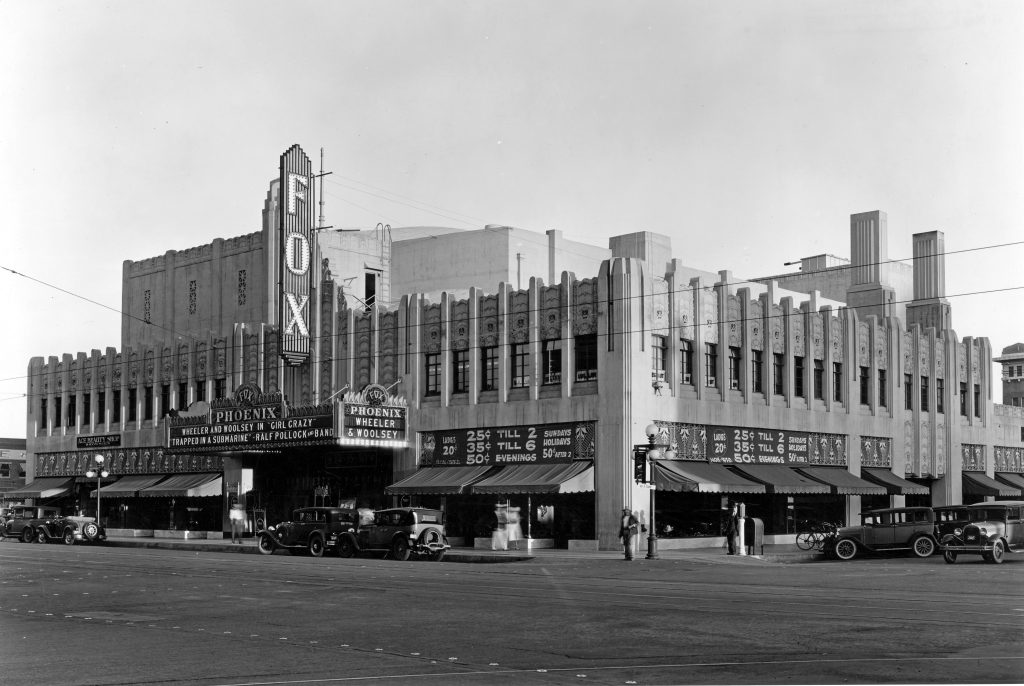
Phoenix was smaller and poorer at the zenith of Art Deco. But it did have a real cityscape before the post-World War II automobile era, subsidized sprawl, and municipal malpractice of massive teardowns created today's suburbanized mess. It had some saves, including the Orpheum Theater, Orpheum Lofts, San Carlos Hotel, Luhrs Tower and Luhrs Building, old Post Office, Kenilworth School and the County Courthouse/City Hall.

Thanks to Rob Spindler and the ASU archives, along with the collecting by the indefatigable Brad Hall, we're getting more photographs of the old city. I realize some of this is familiar  territory for regular readers, but the images tell more than words about what Phoenix lost (click for a larger image). They include:

The Fox Theater:

Fox_Theater_Girl_Crazy_1932_SHR

Regrets? I have a few…

Regrets? I have a few…

Holly
In 1999-2000, I was offered the business editor jobs at the San Diego and San Francisco papers. I also had feelers about coming to work at the New York Times and the Los Angeles Times. After nearly five years at Knight-Ridder's Pulitzer-winning Charlotte Observer, I was more than ready to leave a city where they ask if you've found a "church home," wanted to get back to the West. That was when John D'Anna at the Arizona Republic called and offered me a columnist job at my hometown newspaper.

Warning signs abounded: Downtown Phoenix was dead, corporate Arizona had moved out to north Scottsdale, and the Republic had recently been purchased by Gannett, known for its small newspaper mentality, suspicion of serious journalism, and obsession with fads (I had worked for the company as assistant managing editor for business news at the Cincinnati Enquirer and saw its bad and OK sides). On the other hand, downtowns were making impressive comebacks elsewhere — I had seen them first-hand in Denver and even Charlotte. Brahm Resnik, the business editor at the Republic, assured me the changes had been minimal. After years as a turnaround specialist editor, I longed to be out of management. And every journalist's dream is to write a column in his hometown.

So I took the job, following in the footsteps of the fine business columnist Naaman Nickell.

Susan and I bought one of the most beautiful historic houses in Phoenix, in Willo a block from where I grew up. And for the next nearly seven years I wrote one of the most popular columns in the paper. "Never thought I would read this in the Arizona Republic," was a common reader accolade. I enjoyed a position of prominence, leadership, and celebrity totally out of proportion with the job — at least in other cities. The parties we hosted at the 1914 bungalow on Holly Street attracted a who's who of Arizona. And then, in 2007, it was gone. We had to sell that beloved house as no other local jobs materialized and make our primary base in Seattle (we still have a Midtown condo and some lifelong friends).

Could I have found a way to stay?

The great stores of old Phoenix

The great stores of old Phoenix

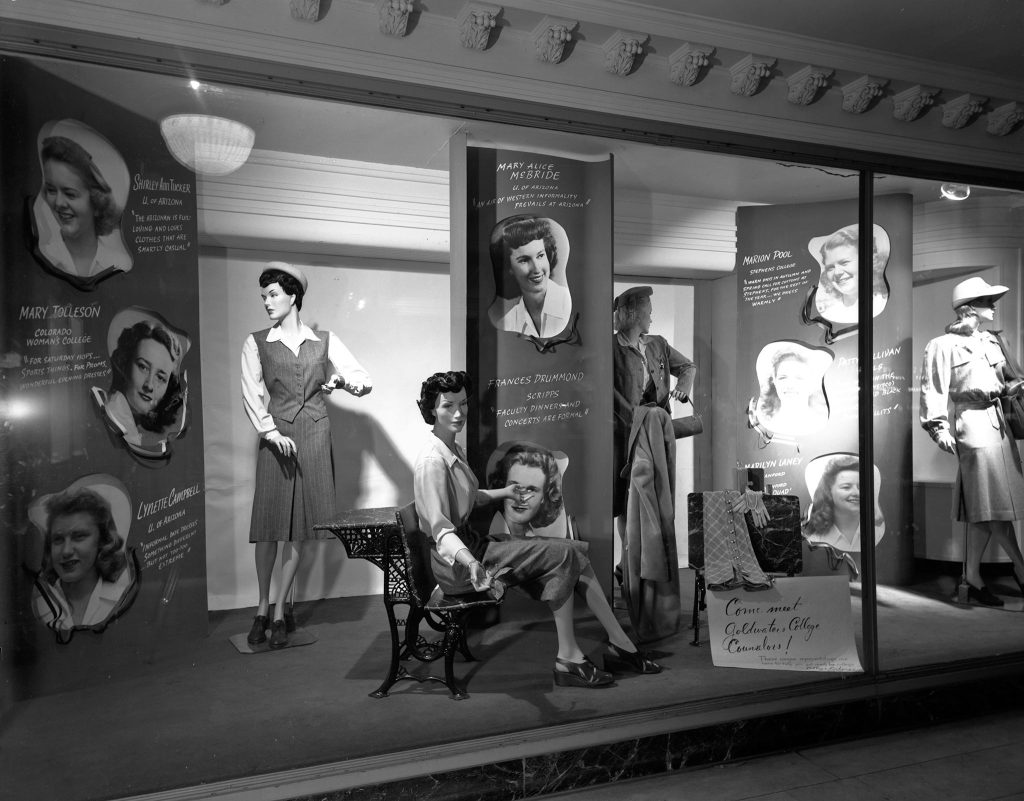
GoldwatersWindow_1940sPhoenix was too small and too poor to have the grand department stores that graced mostly eastern cities. But it had some beloved stores, nonetheless. They were part of a dense, walkable downtown business district that also included scores of specialty shops, as well as national chain department stores. Here are a few of the most prominent locals: 

Goldwater's: Born in Russian Poland, Michel Goldwasser traveled to Paris, then London, changing his name to Michael Goldwater and becoming a successful tailor. In 1852, "Big Mike" and his brother Joe set off for San Francisco. He eventually ended up in the mining town of Gila City, Arizona Territory., in Yuma County. He mostly worked as a peddler. After many ups, downs and wanderings, the brothers opened a store in Phoenix in 1872. It closed only three years later and the brothers focused on their store in the territorial capital of Prescott. Big Mike's son Morris was manager and the enduring slogan "The best always" was born. Morris, a Democrat, was also elected Prescott mayor.

A store returned to Phoenix in 1896, thanks to the pushing of Big Mike's younger son, Baron. As a Washington Post story said, "The Phoenix store offered not only reliable merchandise at low prices but the latest fashions from New York and Europe. Baron decided that pleasing the ladies was the way to economic success. Once he had the new store running smoothly, Baron became active in the civic life of his adopted town.

"He was soon elected a director of the Phoenix Chamber of Commerce and saw the Sisters' Hospital (now St. Joseph's) through some financial difficulties. He helped establish the Phoenix Country Club, the Arizona Club and was a founder of the Valley National Bank. In his late thirties, still trim and good-looking, Baron became the town's most eligible bachelor. His parents hoped that all their children would marry in the Jewish faith, but Mike's death in 1903 followed by Sarah's death in 1905 allowed them to marry whomever they wished." Baron married Episcopalian Josephine Williams, on January 1, 1907. Barry Morris Goldwater was born two years later.

Goldwater's soon became the swankiest department store in Phoenix. For decades it was located on First Street between Washington and Adams streets in the Dorris-Heyman Building. It moved to Park Central Shopping Center, two miles north, in the late 1950s. Above is a photo from a Goldwater's display window in the 1940s, from the McCulloch Brothers collection of the ASU archives. Goldwater's eventually grew to nine stores, including locations in Scottsdale, Tucson, Las Vegas and Albuquerque. The family sold it to Associated Dry Goods in 1963, but that didn't stop Barry from being pilloried as a "department store heir" in the following year's presidential election. In a famous Herblock cartoon, Barry towers over a poor family huddled in a doorway. "If you had any initiative, you'd go out and inherit a department store," he says. The Goldwater's name endured until the late 1980s.

Diamond's: Jewish immigrants Nathan and Isaac Diamond founded this Phoenix icon as the Boston Store in 1897. A big draw in 1931 was the installation of air conditioning. It wasn't renamed until 1947. Located at Second Street and Washington, the store featured women's and men's clothing, shoes, outerwear, housewares, and much more. It, too, made the move to Park Central in 1957, with a 200,000 square foot store. Other locations followed, including Thomas Mall, Tri-City Mall, Scottsdale Fashion Square, and Metrocenter. The Diamond family were among the founders of the Phoenix Symphony. The chain was sold to Dayton-Hudson, then Dillard's.